
Study: Used Electric Vehicle Market Approaching New Equilibrium
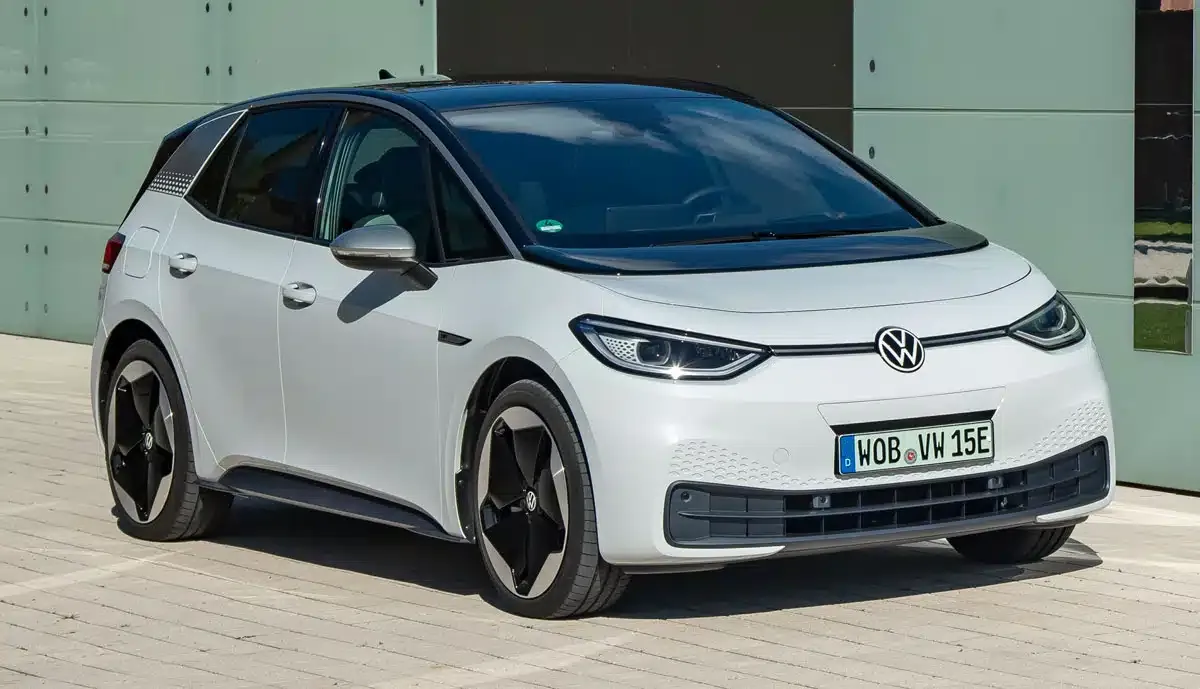
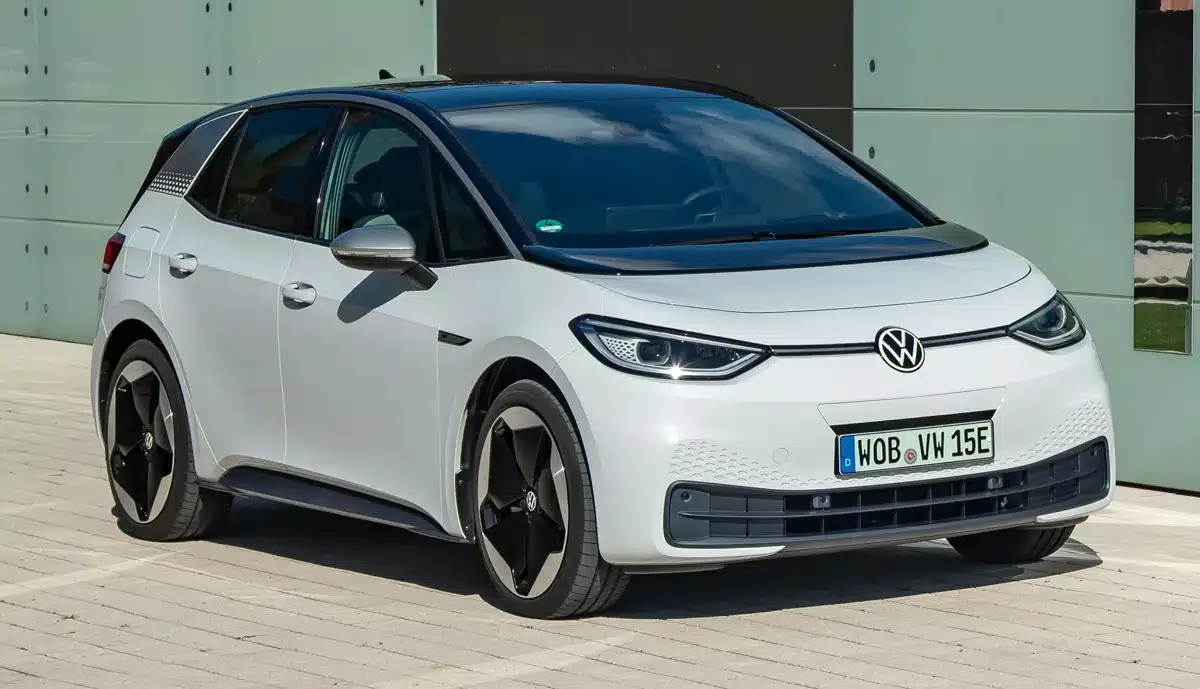
Image: VW
The prices of used electric cars in Germany have risen significantly since March. The median listing price increased from 29,390 euros in March to 31,900 euros in April, 32,970 euros in May, and 33,950 euros in June. It slightly dropped to 33,900 euros in July but remained 15 percent above the March level. Meanwhile, July was the first month since the shortage began when prices did not continue to rise.
This is reported by AutoUncle, which claims to be Europe’s price comparison and used car evaluation service that aggregates dealer offers from 14 European markets. The current analysis covers used battery-electric vehicles offered for sale by German dealers on major online marketplaces. Private sellers, leasing options, and used cars with zero mileage are excluded.
According to the analysis, the active stock of used electric cars continued to decline from March to June. Despite a partial recovery in July, the number of available vehicles was still 20 percent below March’s level. Meanwhile, sales dropped by 26 percent between March and July. However, a single month is not enough to conclude a sustained trend reversal.
The price increase was evident in individual models as well. Twelve of the 15 best-selling used electric car models became more expensive between March and July, while sales figures dropped for all 15 models. The VW ID.3 rose in price from 20,949 euros to 28,750 euros, an increase of 37 percent, while the Skoda Enyaq iV increased from 30,880 euros to 36,419 euros, a rise of 18 percent. Only the Audi e-tron saw a decrease of 0.9 percent, and the Audi A6 e-tron saw a decrease of 5 percent. The Fiat 500e remained almost unchanged.
Rising demand drives down inventory
In April, sales of used electric vehicles rose significantly. As a result, these vehicles left the market faster than dealers could replace them, while inventory continued to shrink. The exact cause of this surge in demand cannot be determined clearly from the data. A broader analysis by AutoUncle also showed that transactions of used battery electric vehicles increased by 84% year-on-year in eleven European markets in April, with Germany recording the strongest rise among the markets studied.
By June, sales had dropped below March’s level again. By that point, the surge in demand in April and the subsequent shortage of supply had already driven prices up significantly. In July, inventory levels recovered somewhat, while the median supply price remained almost unchanged at 33,900 euros compared to 33,950 euros in June. This marked the first signs that supply, demand, and prices might be moving closer together again.
According to industry experts, it will be crucial in the coming months to see whether buyers return at current prices. If inventories continue to recover while sales remain weak, upward pressure on prices could ease. Individual models might become cheaper or stabilize at their new price levels. If demand rises again with more supply, prices could strengthen once more. “The market seems to be moving from a phase characterized by scarcity to a phase of price discovery,” says market analyst Mads Noergaard.
According to AutoUncle, for dealers, sourcing remains more important in the short term than aggressively adjusting prices. Inventory levels are still well below March’s level, and a single month of rising inventory is not enough to conclude that supply pressure has ended. Meanwhile, model data show differences among individual vehicles. Therefore, dealers should continue to set prices based on the specific model and trim level.
Also interesting
About the author
Thomas Langenbucher is an expert in electromobility with professional experience in the automotive industry and finance sector. Since 2011, he has been covering electric vehicles, sustainable technologies, and mobility solutions for ecomento.de. Learn more.
Reader interactions