
The atmosphere in auto repair shops is darkening, with electric mobility posing a long-term challenge.
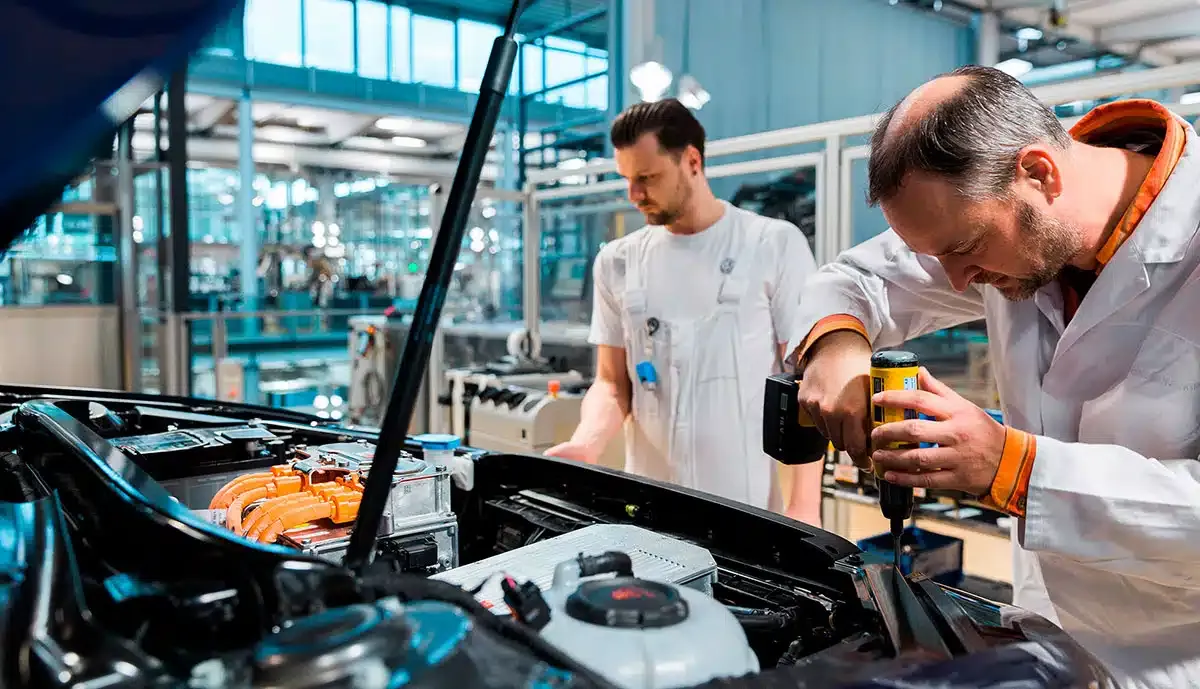
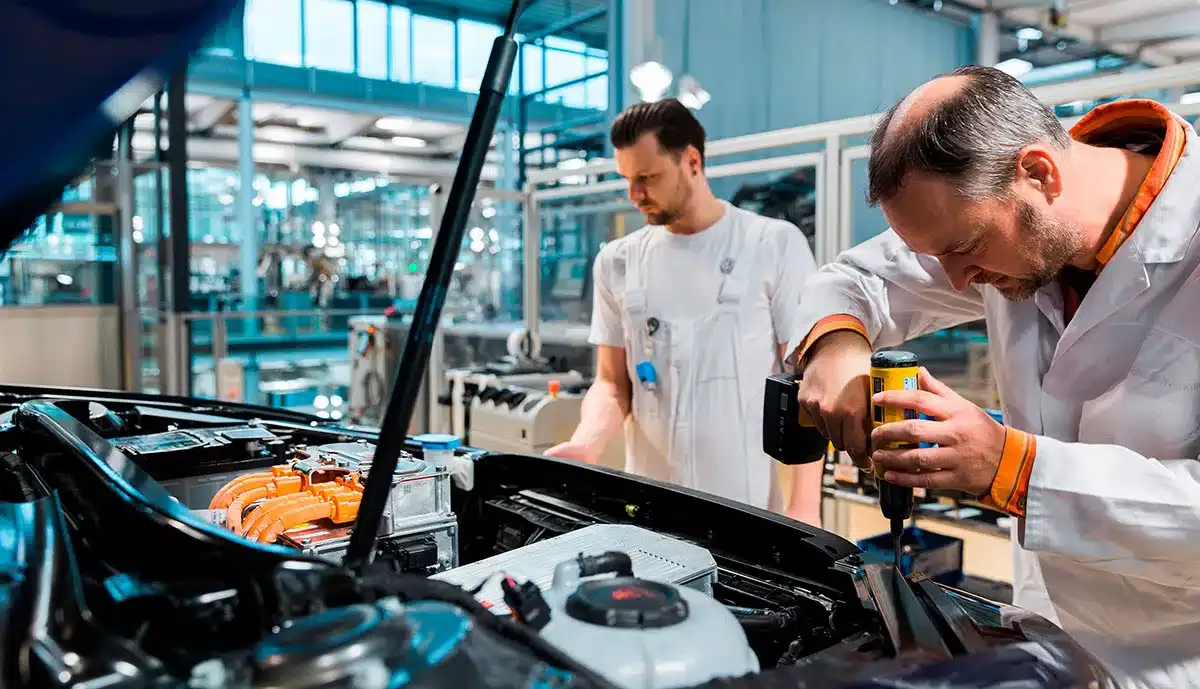
Image: VW (illustrative)
Despite an occupancy rate of over 93 percent in the second quarter of 2026, morale in German auto repair shops is declining, according to Automobilwoche. While the European spare parts market is expected to grow to 270 billion euros by 2035, economic conditions and rising costs are causing uncertainty.
The average age of vehicles in Germany has reached a record high of 10.9 years. However, customers' financial situations are straining business operations. According to a survey published by Automobilwoche, more than half of drivers are considering using used parts to save costs. Additionally, rising prices for spare parts and labor rates are causing repairs such as dents and scratches to be postponed. Detlef Peter Grün from the Federal Association of Automotive Mechanics (BIV) reports that often only the most essential repairs are carried out.
Additional pressure arises from the technological advancements in vehicles. Shops must invest in new equipment for electric cars and assistive systems, with costs for this purpose having risen significantly. “The mood is slowly changing,” says Zoran Nikolic, CEO of market analyst firm Wolk & Nikolic After Sales Intelligence.
The expansion of electric mobility poses a long-term challenge, as many maintenance tasks are eliminated due to technical reasons. Nikolic predicts that independent repair shops will suffer a roughly 20 percent drop in revenue as a result of electric vehicles. In the sector of contract repair shops serving mainly younger vehicles aged one to three years, competition for older vehicles is already increasing. “Everyone tries to keep internal combustion engines in their fleet in their own shops for as long as possible,” quotes Automobilwoche Dirk Weddigen von Knapp, the longtime president of the Volkswagen and Audi dealer association.
The industry is thus faced with a range of challenges. In addition to weak economic conditions, new technologies, and increasing competition, shortages of skilled workers and issues related to business succession also strain the situation for these businesses.
Also interesting
About the author
Thomas Langenbucher is an expert in electromobility with professional experience in the automotive industry and finance sector. Since 2011, he has been covering electric vehicles, sustainable technologies, and mobility solutions on ecomento.de. Learn more.
Reader interactions