
Stellantis will shut down three factories in France. The 97 kWh ACC batteries are still unavailable.
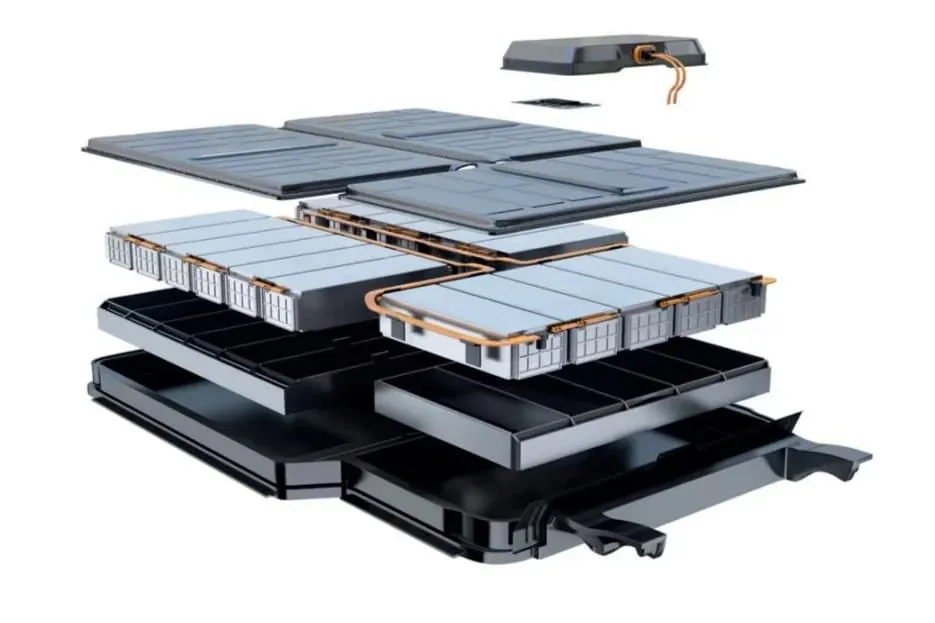
Stellantis will suspend production at its plants in Sochaux, Rennes, and Mulhouse in October 2026. The company confirmed to Reuters that the shutdowns at the first two factories are due to a shortage of ACC batteries for long-range electric vehicles. Mulhouse will shut down for other reasons.
No Production in Sochaux and Rennes for Over a Week
The plant in Sochaux, where models such as the Peugeot 3008 and 5008 are produced, will be closed from October 23 to 30. The factory in Rennes, which manufactures the Citroën C5 Aircross, will halt production from October 22 to 30.
The connection to battery shortages is indirect. Stellantis does not want to continue producing other powertrain versions and is building up inventory of vehicles that do not match order patterns. The company explained that this is to avoid “accumulating inventory of vehicles that do not align with customer demand.”
At the same time, those interested in electric vehicles with the largest battery capacity are waiting for months. The issue affects models based on the STLA Medium platform, including Peugeot’s E-3008 and E-5008, Opel’s Grandlanda Electric, and the DS N°8.
In Mulhouse, the delay will last longer, from October 15 to 30, but it is not due to a shortage of batteries. Stellantis does not link this pause to ACC deliveries.
ACC produces too few cells for the Long Range version
ACC is a joint venture between Stellantis, Mercedes, and TotalEnergies. The company planned three cell factories in France, Germany, and Italy, but the projects in Germany and Italy were canceled. The entire burden of increasing production fell on the operating plant in Douvrin, France.
At the beginning of 2026, the factory was able to supply batteries enough for about 1,000 cars per month, far below the initial target. Bloomberg also reported a high rate of defective cells. A team of specialists from China was brought to Douvrin to help stabilize the production process.
"Increasing production turns out to be difficult, but we learn every day and do everything we can to serve customers as well as possible," Matthieu Hubert, ACC’s secretary general, told Bloomberg in February.
The consequences quickly reached dealerships. As early as February, delivery times for electric vehicles with ACC cells were extending to up to eight months. In April, one of Stellantis’ dealers told Automobilwoche that deliveries had been pushed back to the first or second quarter of 2027. Other sellers no longer received firm delivery dates.
The longest wait times apply to customers choosing the 97 kWh battery instead of the 73 kWh version. The larger battery costs almost 5,000 euros more, or about 21,000 zł, but it provides a greater range. It is for these more expensive models that there is a shortage of cells.
ACC was supposed to reduce defect rates and improve production stability. “Unfortunately, we still don’t receive enough batteries despite significant progress in ACC production,” admitted a Stellantis spokesperson to Reuters. Demand remains higher than supply, especially among fleet customers.
The company’s own European battery factory was intended to safeguard Stellantis, but now it limits sales of its most expensive electric vehicles. Would you wait until 2027 for the 97 kWh version, or would you choose an available model with a smaller battery?
LovEV Newsletter
Want more content like this?
Sign up — we’ll send you a weekly summary once the newsletter starts.
