
Stellantis plans to utilize its idle production capacity in Europe by manufacturing cars for Chinese partners
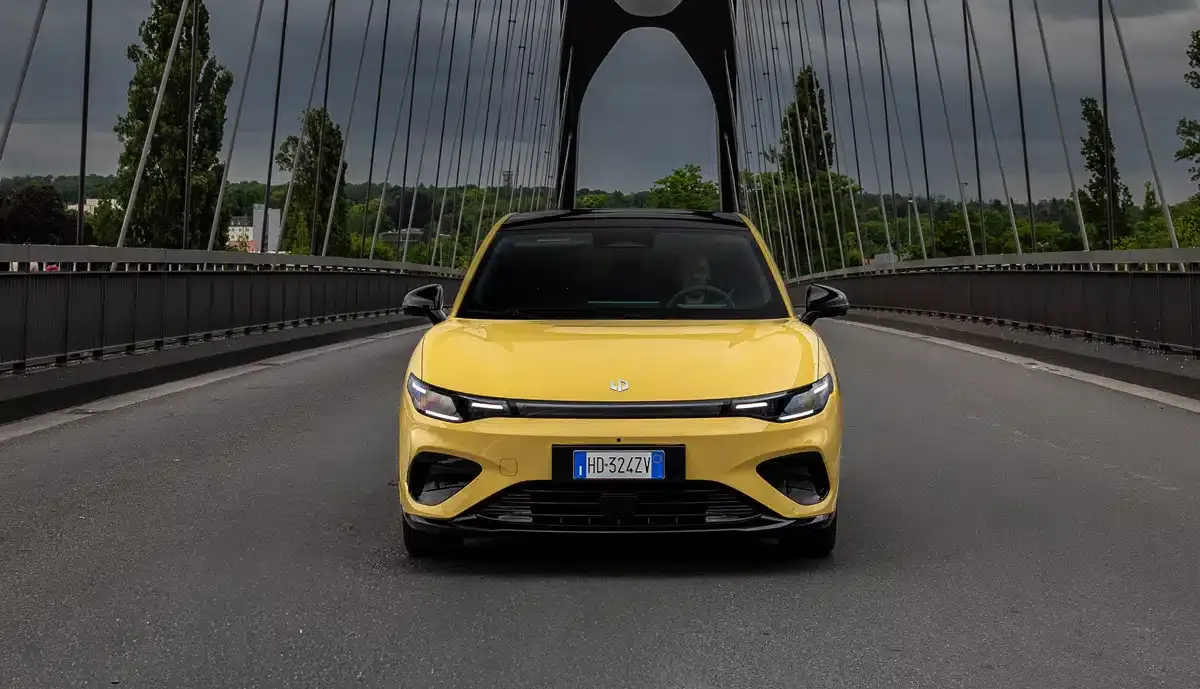
Image: Leapmotor
Stellantis CEO Antonio Filosa plans to utilize the automaker’s existing production capacity in Europe by manufacturing for Chinese partners. Rather than closing plants, the Leapmotor and Dongfeng brands are intended to help maximize factory utilization.
At the Paris Auto Show, Filosa said according to Heise.de, “We have excess production capacity, especially in Europe, but we don’t want to close any plants.” Direct competition between the partner-manufactured vehicles and the company’s own brands is to be avoided, though details on how this will be structured remain unclear.
According to an analysis by AlixPartners, utilization rates at European plants are declining. With an annual capacity of around 6.5 million vehicles, the average utilization rate is 46 percent, down from 71 percent in 2017. Production at 14 of the 24 European sites is below 50 percent.
In Spain, plans are already advanced. At the Figueruelas plant near Zaragoza, the electric mid-size SUV B10 from Stellantis partner and investor Leapmotor will be produced first, followed by the electric compact car B05. Starting in 2028, an electric Opel compact SUV could also be manufactured there on a new production line, with core components and battery technology supplied by Leapmotor in China.
The production of the Citroën C4 ends at the Villaverde plant in Madrid. Starting in the first half of 2028, a future model from Leapmotor is set to be manufactured there for sale in Europe as well as the Middle East and Africa. Discussions are underway regarding a possible transfer of the plant to Leapmotor International’s Spanish subsidiary, it is said. Additionally, Filosa emphasized the need for more battery factories in Europe, noting that they are necessary to meet demand and comply with future “Made in Europe” requirements.
Also interesting
About the author
Thomas Langenbucher is an expert in electromobility with experience in the automotive and financial industries. Since 2011, he has been covering electric vehicles, sustainable technologies, and mobility solutions for ecomento.de. Learn more.
Reader interactions