
Stellantis is advancing the development of autonomous driving services.
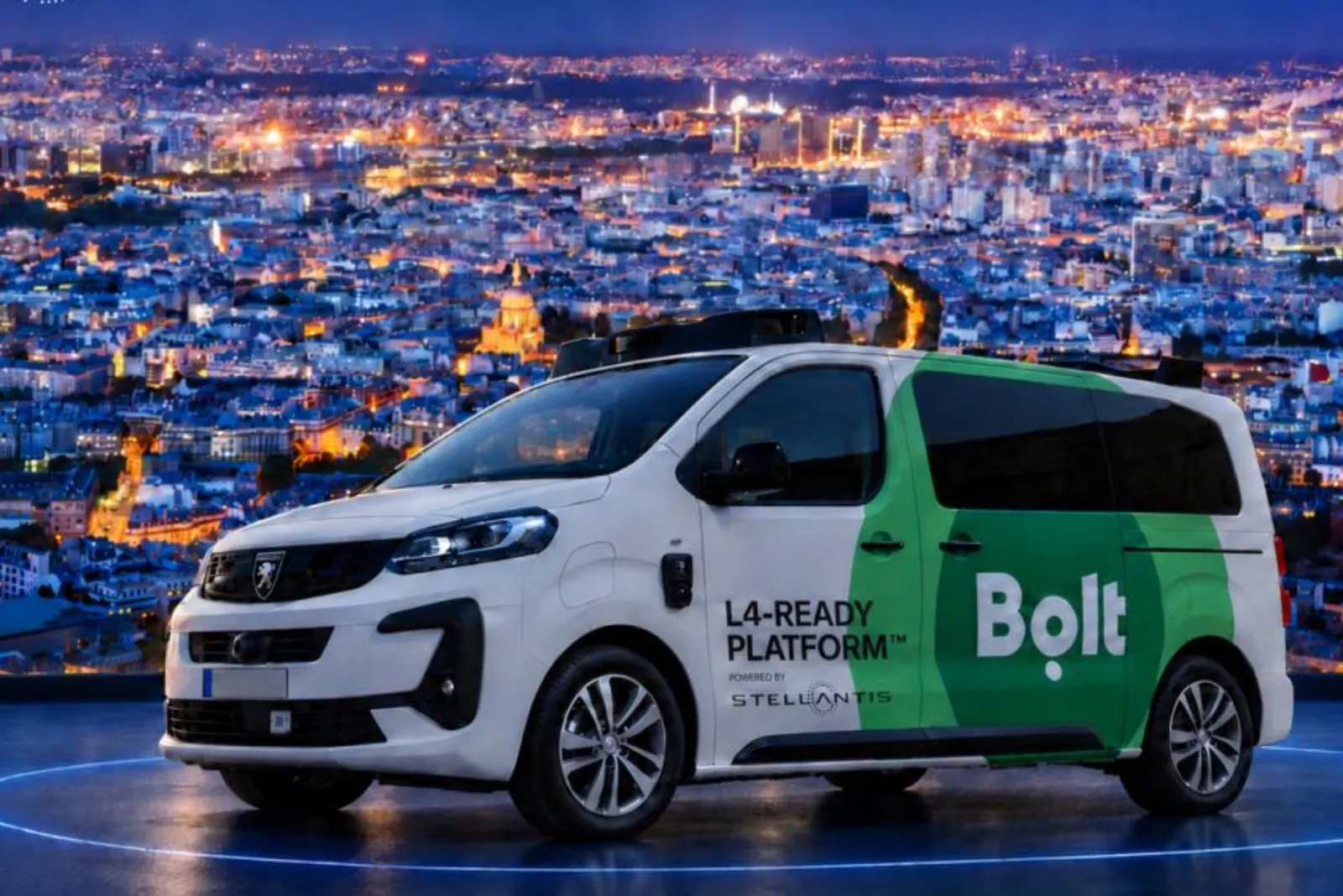
Stellantis has launched two new initiatives in France to advance the development of autonomous mobility services. Together with Wayve and NVIDIA, the company is building a European alliance for self-driving Level-4 vehicles. A pilot project submitted under the ADACities program in the Paris area aims to test autonomous driving for the first and last mile of daily commutes starting in 2028.
Image: Stellantis
Stellantis has introduced two new initiatives to expand autonomous mobility services in France.
The project “to foster a forward-looking ecosystem for AI and autonomous mobility in France” aims to establish a distinct European industry for autonomous vehicles. To achieve this, the British software developer Wayve, the U.S. tech company NVIDIA, the automotive giant Stellantis, and the French government have joined forces.
Alliance of Stellantis, Wayve, and NVIDIA
The roles are clearly defined: Stellantis provides the Level-4 capable vehicle architecture and builds the cars. Wayve develops the artificial intelligence that controls the vehicle, while NVIDIA supplies the sensors and computing power through its Hyperion architecture and Halos operating system. The goal is a complete supply chain from microchips to fully assembled self-driving cars. With the involvement of unions and local governments, the technology is intended to reach market readiness in a safe, responsible, and data-protection compliant manner.
Autonomous Mobility Service in Paris
The pilot project “Greater Paris Autonomous Driving Living Lab,” submitted under the EU Commission’s ADACities initiative, aims to put this into practice. In this project, the Métropole du Grand Paris, Stellantis, and mobility service provider Bolt will collaborate with Pony.ai as a potential software supplier.
The plan calls for initial tests in up to five municipalities in the northwest of the region by 2028. Initially, operational performance, safety, integration with public transportation, and the economic, social, and environmental impacts of autonomous mobility services will be evaluated. The goal is to expand the service to around 30 municipalities by 2030 and operate it commercially.
The project aims to fill gaps in Paris’s transportation network. The autonomous vehicles are intended to serve as shuttles for the “first and last mile” and improve connectivity to industrial areas. They are also meant to ease traffic congestion during major events.
France Offers an Attractive Research Location
France’s market for ride-hailing services and taxi dispatching is one of the largest in Europe. The French government has already enacted strict laws for Level 4 autonomous driving at an early stage. This legal certainty for testing in public spaces, along with Stellantis’s commitment, makes France an attractive location for developing autonomous driving technologies. Additionally, France is making substantial investments in AI: At the 2025 AI Summit in Paris, commitments worth 109 billion euros were announced.
media.stellantis.com (Wayve, Stellantis, and NVIDIA partnership), media.stellantis.com (pilot project with Métropole du Grand Paris, Bolt, and Stellantis)