
Stellantis envisions an electric car capable of releasing its battery in case of a fire
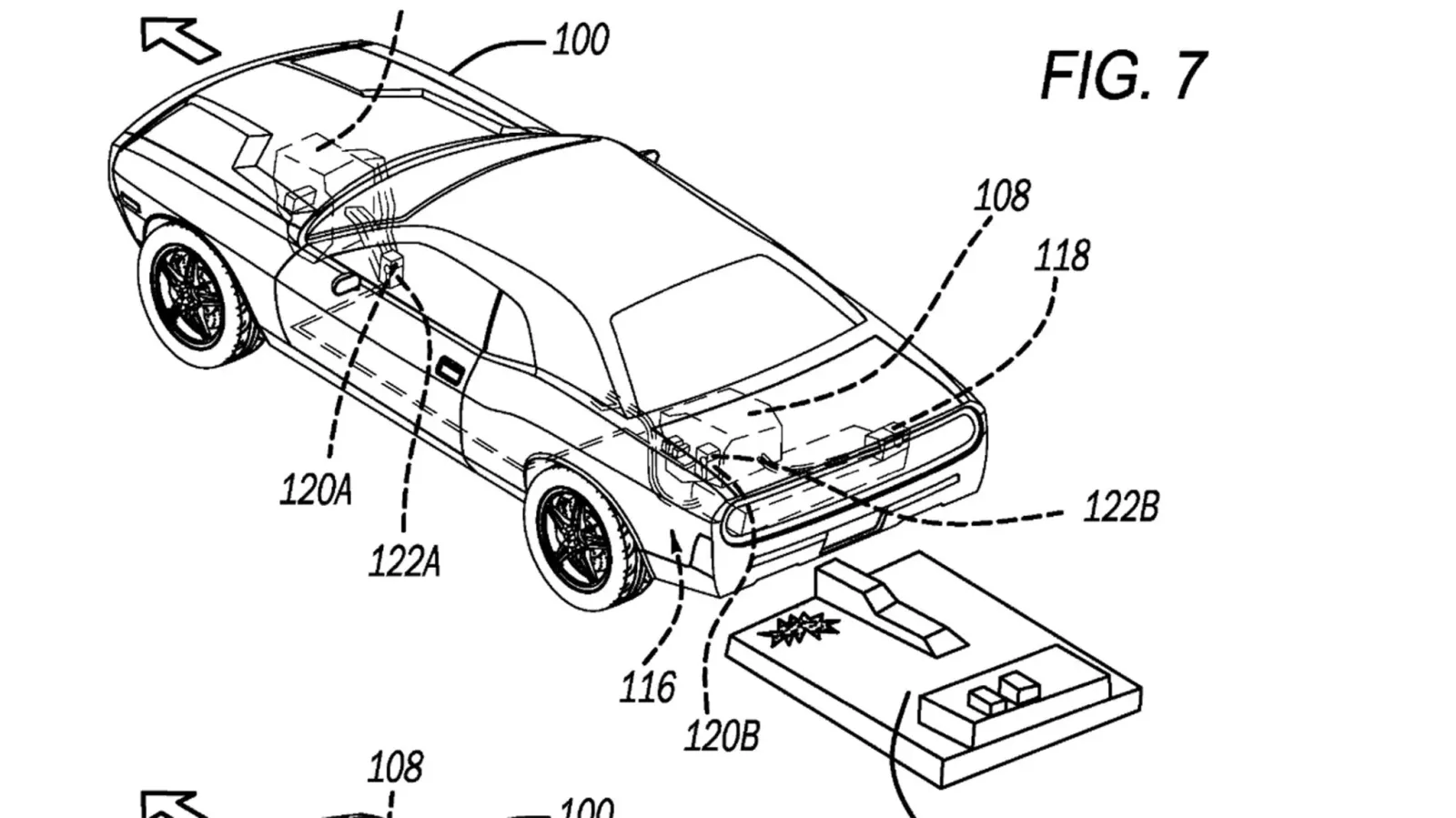
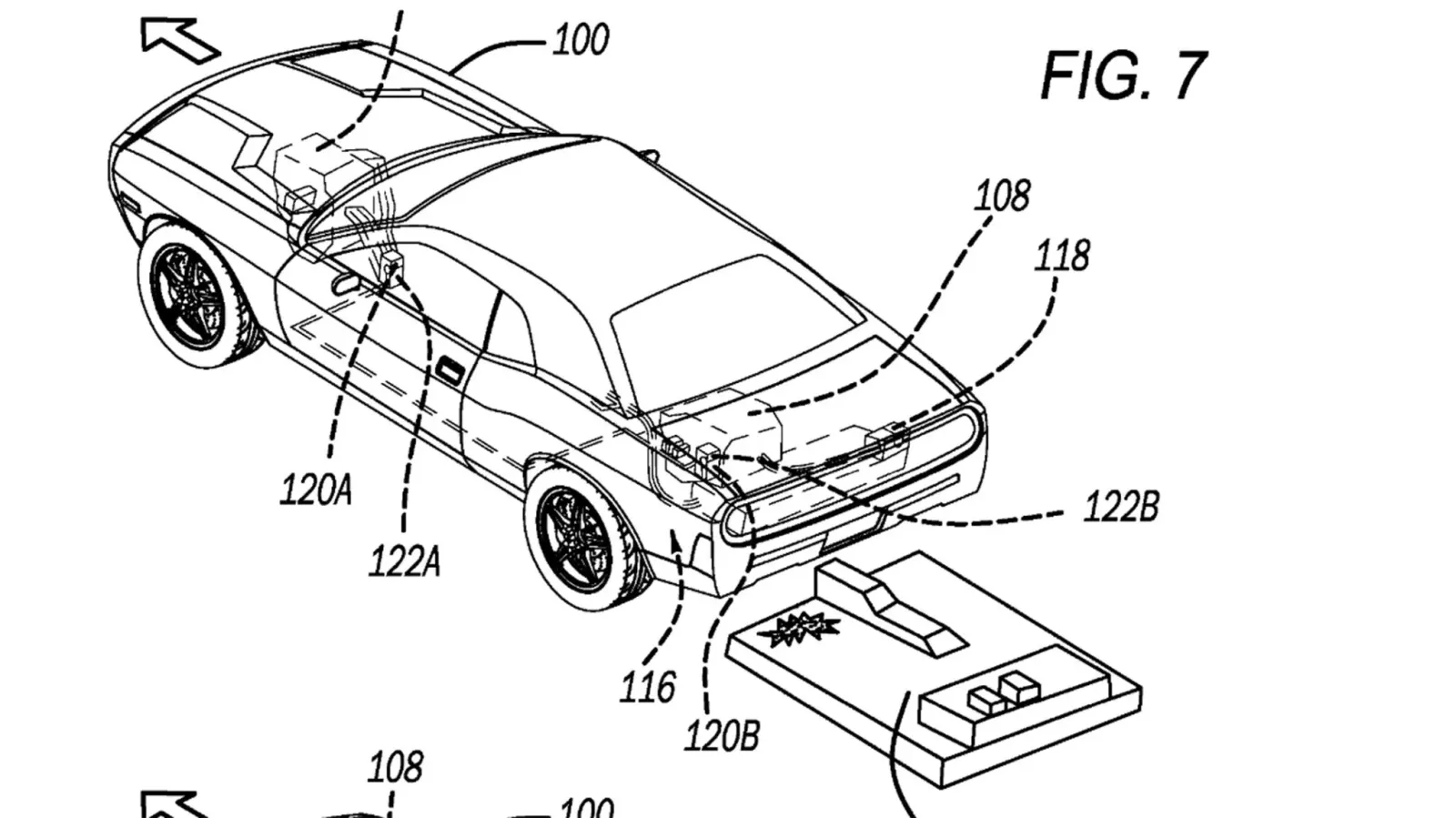
Imagine a battery that can detach from the car in case of overheating! This is the solution envisioned by Stellantis in a patent published a few days ago. It involves a mechanism that drops the battery to the ground, allowing the vehicle to move away using the low-voltage battery.
With the growing popularity of electric vehicles, manufacturers are exploring various ways to mitigate the risks of thermal runaway. Stellantis is studying one particularly innovative approach: instead of keeping a potentially dangerous battery under the car, why not simply separate it?
The battery could fall beneath the car
The device is called the “High-Voltage Battery Quick Release System.” Its operation is relatively simple in theory. In case of overheating, damage, or any thermal event affecting the high-voltage battery, it can be electrically disconnected and then physically separated from the vehicle.
Also read
Stellantis to shut down several French factories due to a lack of batteries for its electric models
Several technical solutions are being considered, including sliding structural components or pyrotechnic devices. A switch could be installed inside the cabin or outside, such as under the floor with a button, so that an emergency responder can activate the mechanism in case of urgency.
The high-voltage battery would then be placed directly on the ground. This radical solution would primarily allow for quick separation of the vehicle from any potential fire source.
Could the car still move forward?
But then, how could an electric vehicle without its traction battery continue to move? Stellantis has obviously considered this second scenario. A small low-voltage battery could temporarily power the electric motor to move the car a predetermined distance away from its main battery. The exact distance isn’t specified. It’s certainly not meant to allow the car to continue its journey, but only to get it out of the dangerous area.
The idea also raises some practical questions. Placing a several hundred kilograms heavy battery that overheats on the road could create a new danger for other drivers. Moreover, nothing guarantees that this system will ever make it into a production car. Yet the concept was indeed granted a U.S. patent to FCA US in June 2026, while an application related to the same system was published in September. At this stage, Stellantis is likely primarily aiming to protect a technical idea.
