
Stellantis will commit an investment of 1,000,000,000 euros for the European production of its new electric van.
15/09/2026 15:30
Updated to
15/09/2026 15:30
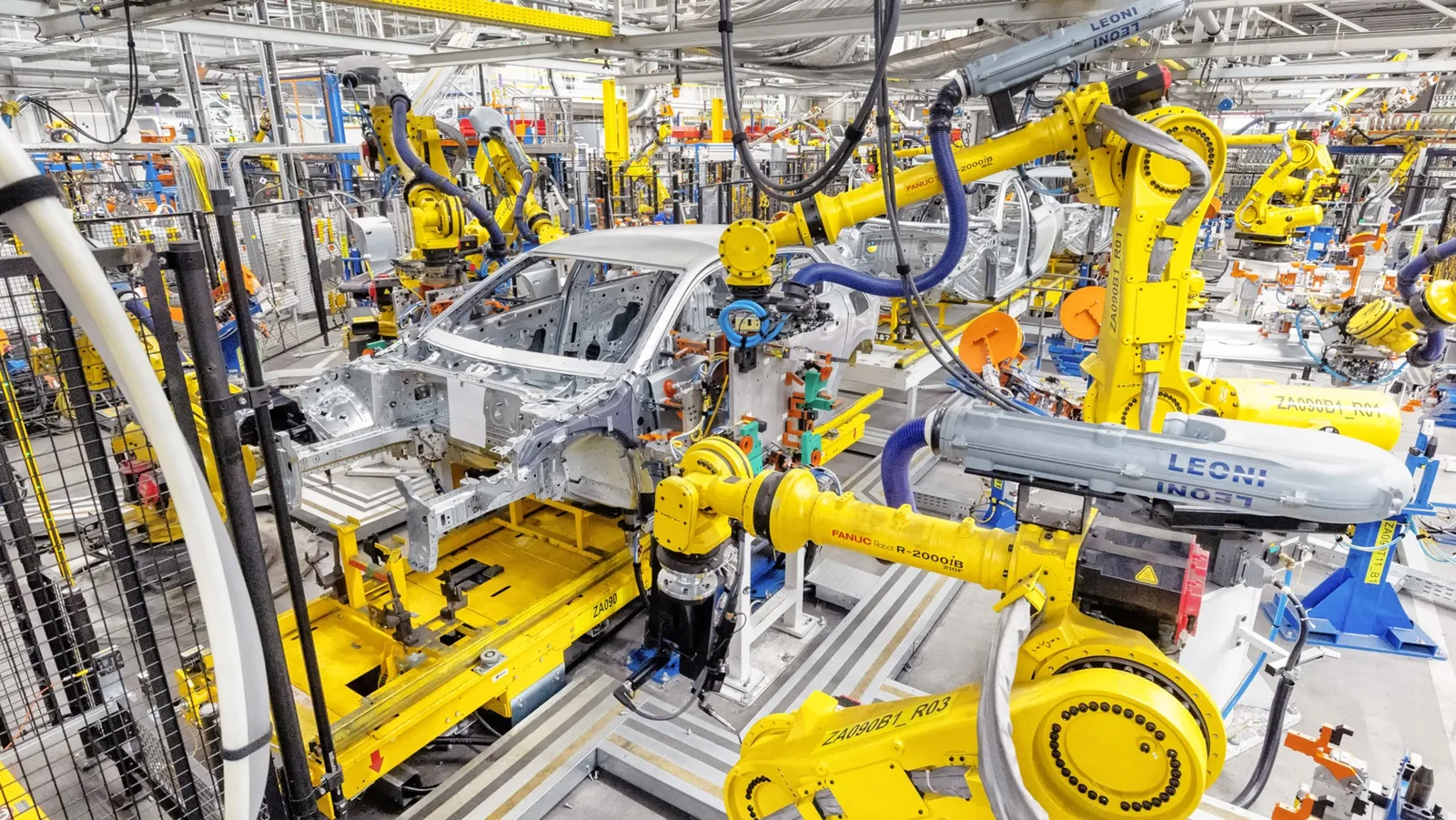
While Europe debates how to protect its automotive industry and prevent new investments from shifting to other regions, Stellantis is reportedly preparing a significant funding injection for one of its factories in France. The automotive group plans to invest over 1.000 million euros to produce a new generation of commercial vehicles in Hordain, in northern France.
The information comes from Bloomberg, though it has not yet been officially confirmed by Stellantis. Sources familiar with the project say the investment will be used both to modernize the factory and to fund research and development activities at other French facilities. The project is part of a broader restructuring of the group’s European industrial operations.
Over 1 billion euros to build a new van in France
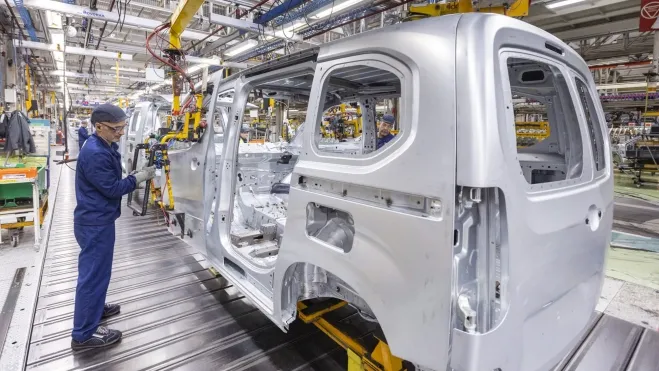
The model chosen would be the successor to the current K0 family, meaning the platform from which well-known commercial vehicles such as the Peugeot Expert, Citroën Jumpy, Opel Vivaro, and FIAT Scudo are built, as well as the Toyota Proace produced through the existing partnership between the two companies. Hordain would thus become a key component for Stellantis’ next generation of mid-size vans.
The expenditure of over 1 billion euros would not be allocated solely to installing a new assembly line. Part of the funds would be used to modernize existing facilities, increase their automation, and bring certain operations currently carried out by external suppliers in-house. Another portion would be tied to research and development activities conducted in France.
For the European industry, this project is particularly significant given the timing of its arrival. Stellantis produced around 661,000 vehicles in France during 2025, compared to approximately 5.5 million units worldwide. The company operates five vehicle factories in France as part of a global industrial network comprising 42 plants, so securing a new generation of commercial vehicles ensures workloads for several years.
In addition, Stellantis has already committed over 1 billion euros more to produce three future electrified Peugeot models in Mulhouse starting in 2029. For that project, about 50% of the investment goes toward research and development, 40% to the Mulhouse factory itself, and the remaining 10% to other facilities.
Everything suggests electricity will play a key role
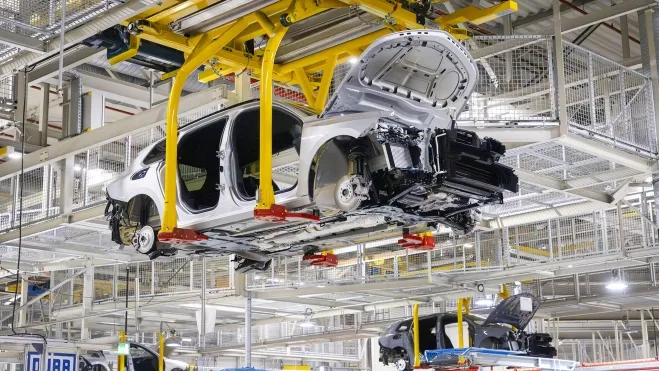
We still don’t know the technical specifications of Hordain’s new van, nor has it been specified what propulsion systems it will use. However, it seems hard to imagine this next generation without a significant presence of 100% electric versions, especially considering Stellantis’ strategy and the factory’s recent history.
Hordain also produces both thermal and electric vans. In fact, Stellantis announced in 2022 that 43% of the plant’s output already consisted of zero-emission electric versions. For a time, it also manufactured models with hydrogen fuel cells, but the group abandoned this program in 2025 as it deemed this technology unlikely to see widespread adoption in light commercial vehicles before the end of the decade.
Electricity has thus gained even greater importance within Pro One. Stellantis currently sells 100% electric versions of its compact and medium-sized vans, and its new strategic plan FaSTLAne 2030 includes 29 fully electric models to be launched in the coming years.
In addition, 70% of the investments allocated to brands and products will focus on Jeep, Ram, Peugeot, Fiat, and specifically Pro One, its division specialized in commercial vehicles. Stellantis has not yet confirmed Hordain’s investment and states that any announcement would need to be communicated first to the workers’ representatives. Therefore, this remains a project pending official confirmation.