
Stellantis announces that many of its European electric vehicles will receive more affordable LFP batteries in 2027
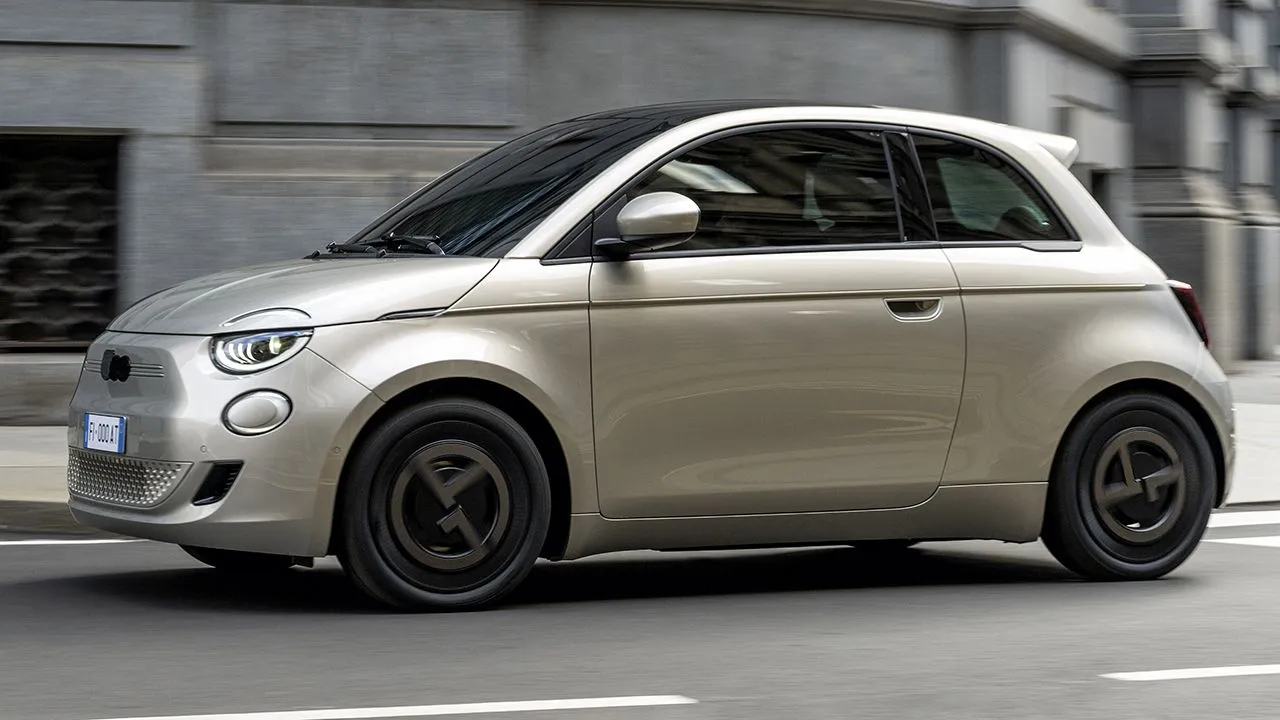
Next year, many of the electric cars sold by Stellantis in Europe will switch from NCM (nickel, cobalt, manganese) batteries to cheaper LFP (lithium-iron-phosphate) batteries. This was announced by the company’s CEO, Antonio Filosa. For now, it has only been confirmed that the FIAT 500e will be one of the models to benefit from this change.
"We will change the chemistry of the batteries from NCM to LFP in many models. This represents a substantial cost savings," Filosa said during Stellantis’ third-quarter results presentation. "In Europe, we clearly see an acceleration in electrification, driven by oil prices as well as regulations."
The executive also highlighted the launch of the STLA One platform as one of the catalysts that will enable Stellantis to gain a more competitive position in the electric vehicle sector. "The combination of the introduction of the global STLA One platform, which will start in Europe and then expand to North America, along with the shift from NMC battery chemistry to the much more competitive LFP chemistry, will also put us in a very strong position in Europe to benefit from the growth of electric vehicles."
STLA One will make its debut next year with the new Peugeot E-208, which is likely to be another model to adopt LFP batteries. The utility vehicle will be produced at the Figueruelas plant (Zaragoza), where CATL is building a giant battery factory. This facility, to be operated jointly by CATL and Stellantis, will specialize in the production of LFP cells.
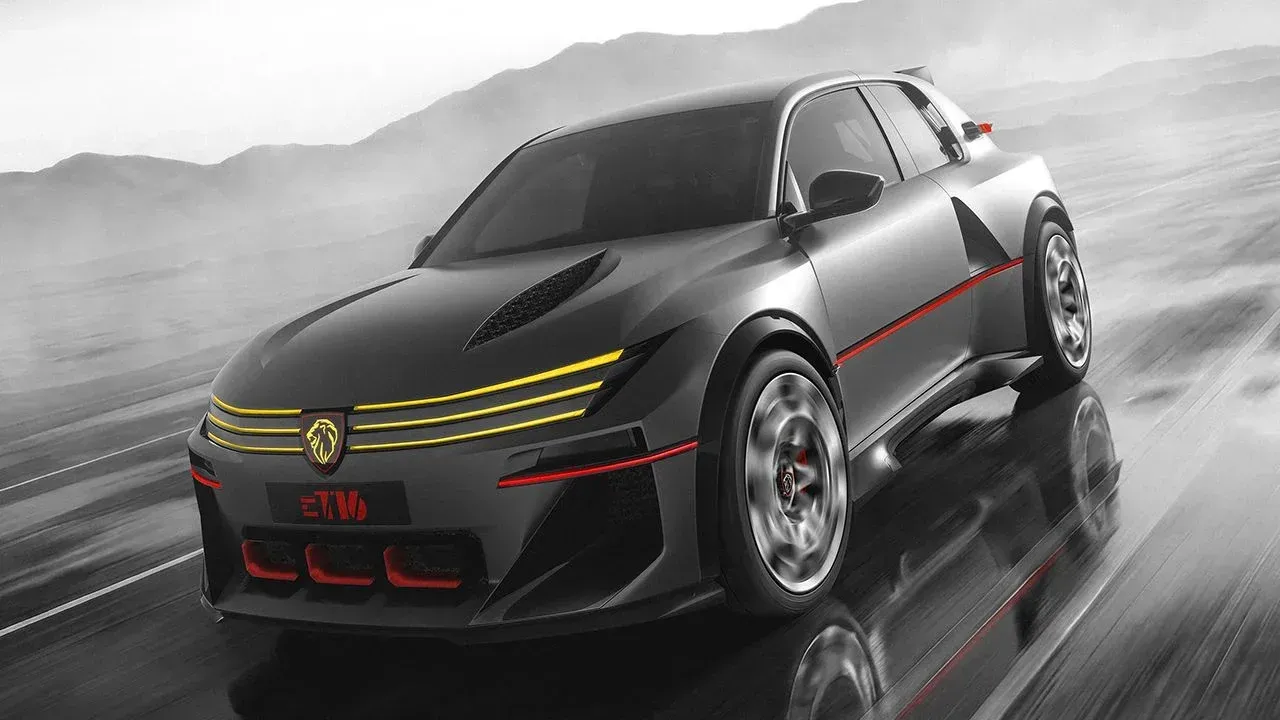
Peugeot will be responsible for launching the STLA One platform
Beyond its affordability, Stellantis also notes that LFP chemistry allows for reduced reliance on critical raw materials. Additionally, the company plans to adopt CTB (Cell-to-Body) technology, as integrating cells directly into the vehicle’s chassis reduces costs, weight, and complexity. It is expected that the STLA One platform will feature structural batteries.
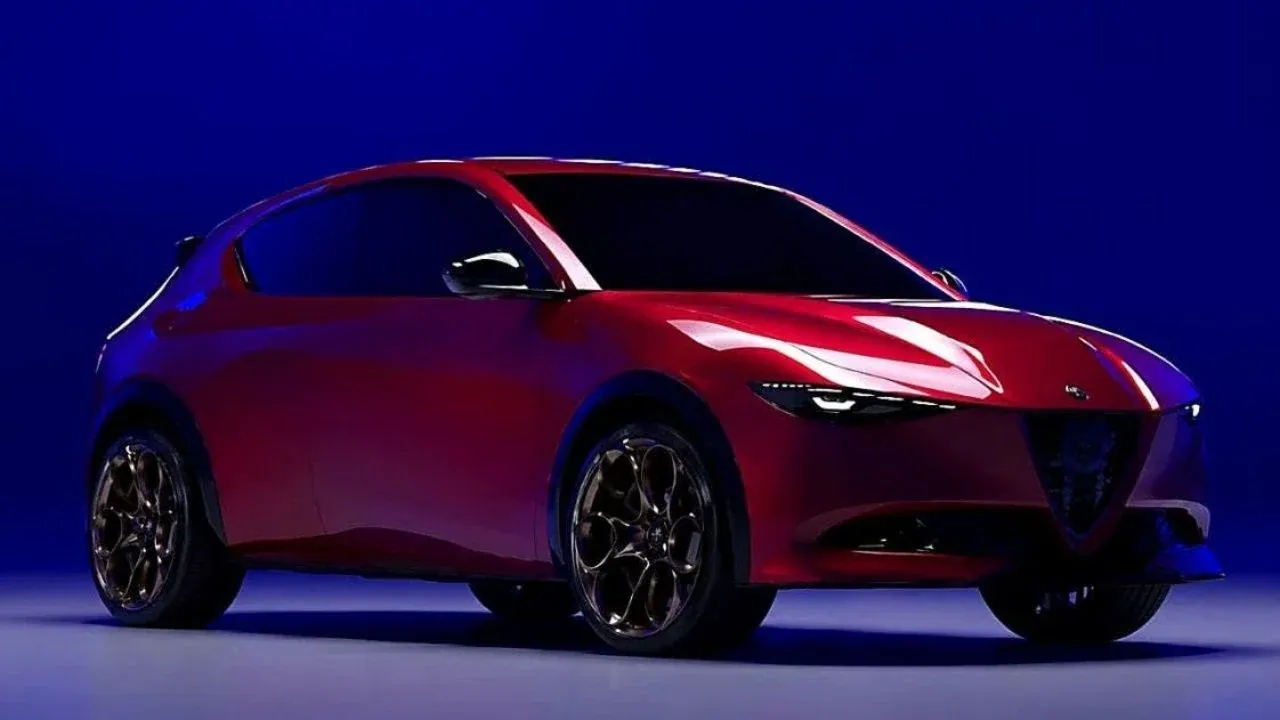
The STLA One will target the B (utility), C (compact), and D (mid-size) segments, offering a 20% cost reduction. For now, its use has been confirmed only in the Peugeot, Opel, Jeep, and Alfa Romeo brands. Budget-oriented brands such as Citroën and FIAT will remain committed to the Smart Car platform, which underpins models like the C3 and Grande Panda.
Stellantis’ move is not unique in the European automotive industry, as Renault recently confirmed that the entry-level versions of all its electric models will soon switch to LFP batteries. This battery chemistry is already used in the Twingo, Mégane, and Scénic models, and it will soon be adopted by the R5 and R4 as well.
Source | Automotive News Europe