
Stella Li, BYD’s executive vice president, changes strategy for plug-in hybrids: “We are preparing to become European.”
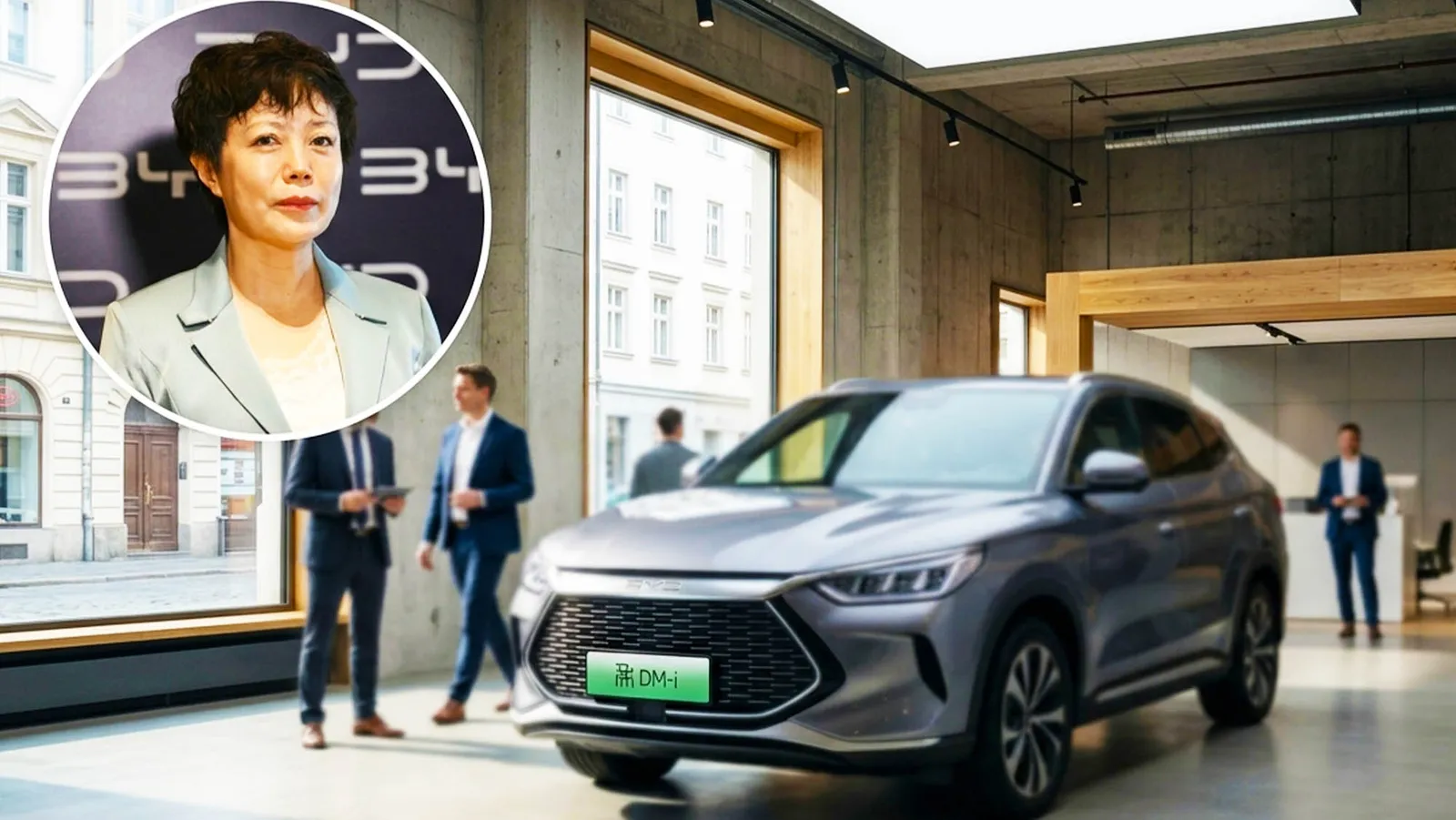
BYD’s transformation in Europe has two goals: bringing production closer to the market and expanding its range of electric vehicles. The company no longer wants to rely solely on battery-electric cars to grow on the continent. Plug-in hybrids (PHEV) will play a central role in its business strategy over the next few years.
BYD’s executive vice president, Stella Li, summarized this shift with a statement that outlines the company’s direction: “We are preparing to become more European in terms of production.” It’s not just about opening factories, but also about establishing an industrial and commercial presence tailored to the specifics of the European market.
Plug-in hybrids will gain prominence over electric cars
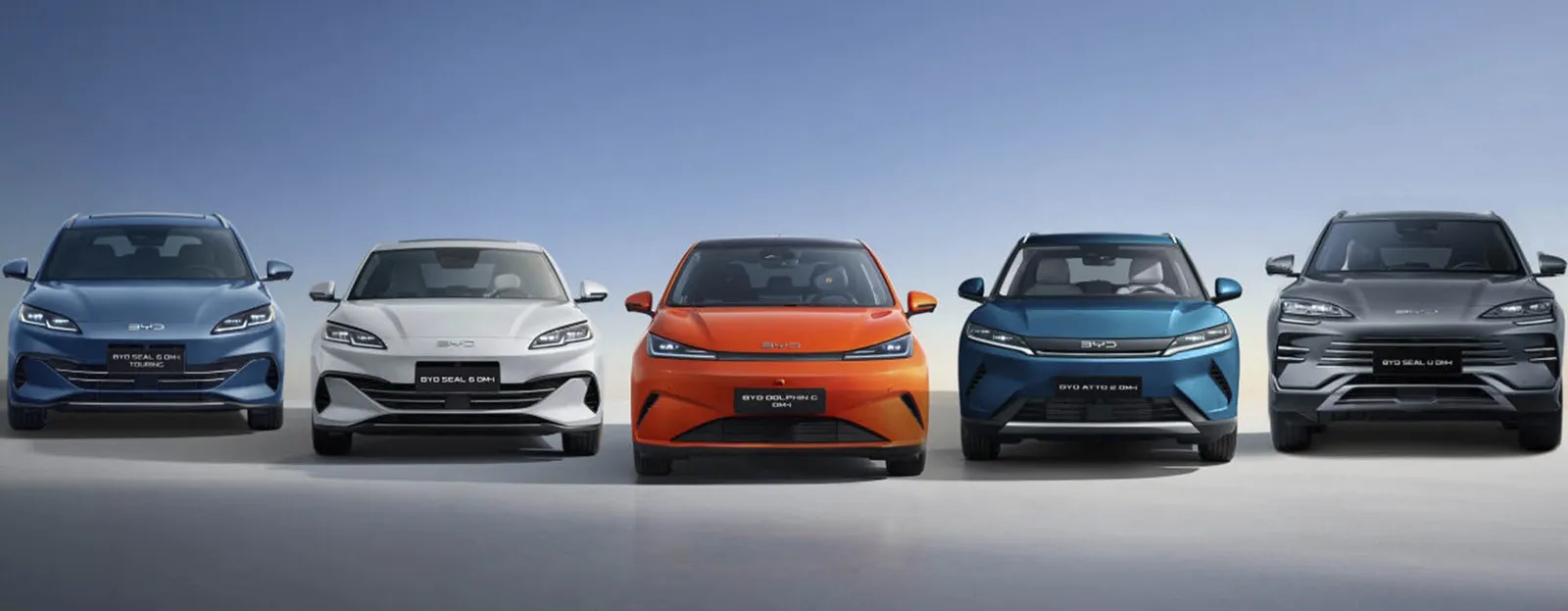
BYD entered Europe with a strategy focused on electric vehicles, but it is now preparing to significantly expand its lineup of plug-in hybrids. Stella Li predicts that these models will eventually account for a larger share of the brand’s sales on the continent than pure electric vehicles.
"In the next one or two years, our plug-in hybrids will dominate sales," the executive said. To back this claim, BYD plans to launch three or four more PHEVs over the next six months, expanding the options available for those who still don’t want to rely solely on charging infrastructure.
Plug-in hybrids combine an electric motor, a rechargeable battery, and a combustion engine. This setup allows for daily commuting in electric mode when the battery is charged, with the thermal engine taking over for longer trips. Their commercial appeal depends largely on drivers being able to charge them regularly, thereby maximizing their electric range.
The shift in strategy also reflects BYD’s experience in the UK, where its best-selling model is already a plug-in hybrid. This business approach serves as a benchmark for the company when expanding its offerings in other European markets.
Hungary and Turkey, key to local production
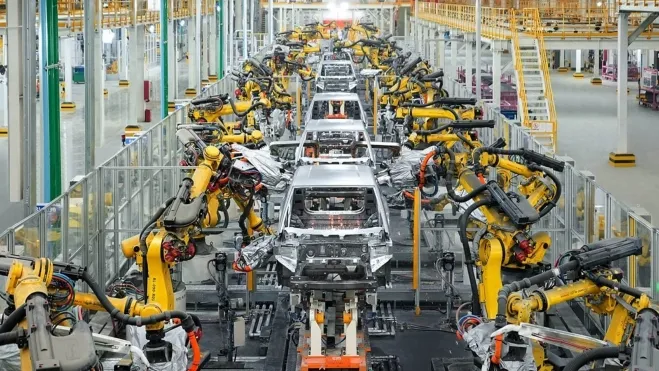
The second pillar of the strategy is industrial. BYD aims to ensure that within two to three years, all electric cars it sells in Europe can be manufactured on the continent. This initiative will help reduce reliance on imports from China and address the trade barriers imposed by the European Union.
The company is finalizing its factory in Hungary, with production set to begin this year, and it also plans to manufacture vehicles in Turkey. Establishing industrial operations in Europe can reduce logistics costs and delivery times, as well as bring production closer to its customers.
This move is particularly significant given the additional tariffs imposed by the EU on electric cars manufactured in China, following its investigation into government subsidies received by manufacturers. Local production provides BYD with a way to reduce exposure to these measures, though it does not automatically eliminate all costs and requirements associated with manufacturing and selling in Europe.
Growth Driving Its European Expansion
This move comes at a time of strong commercial growth. In the first eight months of 2026, BYD registered 234,099 vehicles in Europe, a 144.1% increase from the same period in 2025. Its market share reached 2.5%, up from 1.1% the previous year.
During the same period, Ford recorded 244,938 registrations, 14.4% fewer than in the first eight months of 2025. The performance of both brands reflects BYD’s progress in the European market, although there are still differences in their volumes.
The expansion will also include its luxury brand Yangwang, whose entry into Europe is scheduled for 2027. With this brand, BYD aims to enter higher-priced segments and diversify its presence beyond its mainstream models.
The combination of local production, new plug-in hybrids, and a premium brand points to a fundamental transformation: BYD aims to move from being a Chinese manufacturer that exports vehicles to becoming an integrated industrial and commercial player in Europe.
