
Stalexport will cease operations in March 2027. After 30 years, the toll on A4 Katowice-Kraków will be eliminated.
In short:
In mid-March 2027, the state will take over management of section A4 from Stalexport
The stretch between Katowice and Krakow will no longer be toll-free for car and motorcycle drivers
Drivers of vehicles over 3.5 tons will still have to pay to use it
GDDKiA will assume responsibility for the route starting March 16
Currently, driving across the entire 61-kilometer stretch costs car drivers 32 zł
After three decades, the concession for A4 is coming to an end
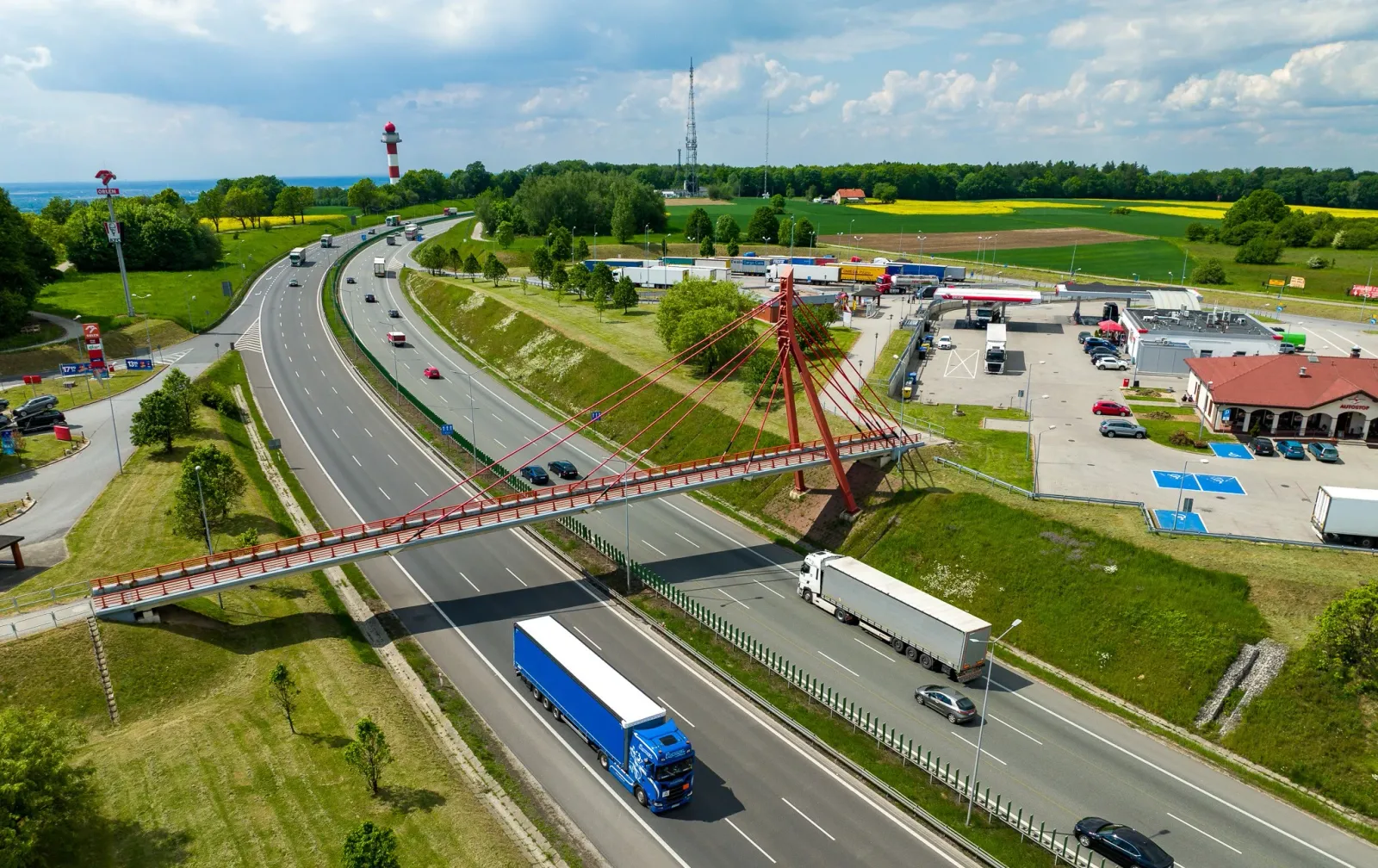
On March 15, 2027, the concession agreement signed in 1997 between the State Treasury and Stalexport regarding the management of the 61-kilometer stretch of highway A4 between Katowice and Krakow will expire. The day after, the General Directorate of National Roads and Highways (GDDKiA) will take over responsibility for the route.
This is an important change for millions of drivers using one of the most crucial road connections between Silesian and Lesser Poland voivodeships, as the A4 Katowice-Kraków section has for years been the fastest route between these two urban areas, but it is also considered one of the most expensive sections of highway in the country.
The concession model introduced at the end of the 1990s assumed that a private operator would maintain, modernize, and manage the road, recovering its costs through fees charged to drivers. In practice, this also meant regular price increases that sparked opposition from road users over the years, according to the authority.
The last toll on A4 will be on March 15, 2027
As confirmed by the Ministry of Infrastructure and GDDKiA, the concession will not be extended. The last day to collect fees from private car drivers will be March 15, 2027. Currently, driving across the entire section costs private car drivers 32 zł. The fee is collected at two toll plazas: in Mysłowice and Balice, where drivers pay 16 zł each. For those who travel regularly between Silesia and Lesser Poland, this means an annual expense of even... thousands of złotys!
Once the state takes over these routes, fees for light vehicles, namely passenger cars and motorcycles with a permissible gross weight of up to 3.5 tons, will be completely abolished. Users of vehicles heavier than 3.5 tons will still have to pay these fees, according to the gov.pl website.
“Gdaka” criticizes the price increases
The General Directorate of National Roads and Highways recalls that it has consistently criticized successive increases in toll prices over the years. As the agency states: “We regularly opposed further price hikes, pointing out that they directly affect drivers and road transport. We also emphasized that they could lead to some traffic shifting to local roads, which would negatively impact road safety on those routes.”
At the same time, the management noted that it did not have effective tools to block tariff changes, as long as they were in line with the provisions of the existing concession contract. The situation is set to change after the contract expires.
As the management reminds, car drivers no longer pay to use highways managed directly by GDDKiA. Including the Katowice-Kraków section in this group means complete elimination of fees for light vehicles on this route.
Preparations for taking over the highway are underway
The entire process of taking over the infrastructure is one of the largest projects of this kind carried out by road authorities in recent years. “On our side, over 100 people are involved in taking over the highway. Our tasks include conducting a technical assessment of the highway and its facilities,” said Szymon Piechowiak, spokesperson for GDDKiA, as quoted by Portal Samorządowy. Assessing the technical condition is crucial because once taken over, the route will become part of the road network managed directly by the state.
Free highway ahead of major expansion
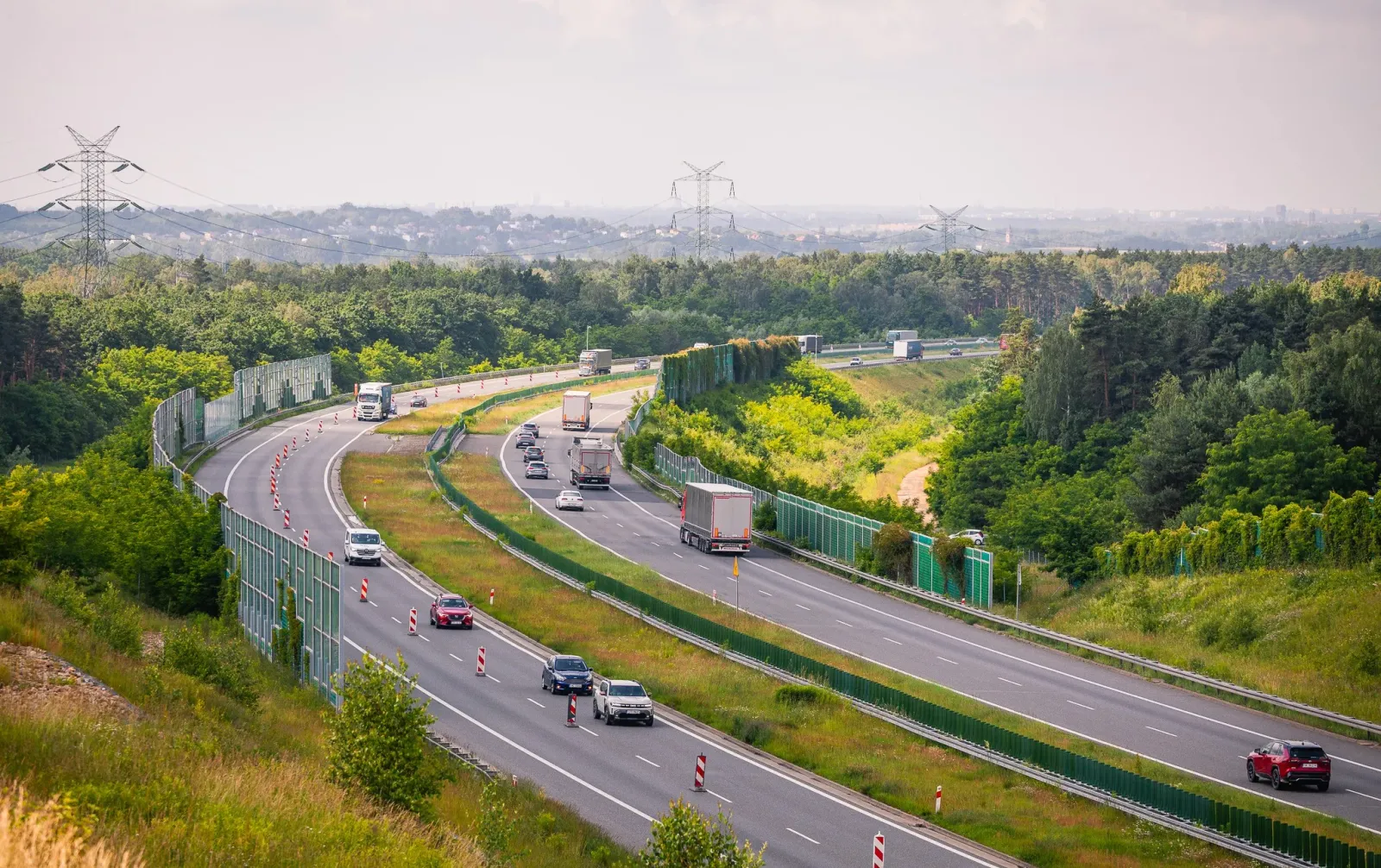
The takeover of A4 by GDDKiA doesn’t just mean changes for drivers at toll gates. Plans also include expanding one of the busiest sections of highway in Poland. According to GDDKiA, traffic volume on A4 between Katowice and Kraków currently exceeds 50,000 vehicles per day on average. This is why this section was included in the Government’s Road Construction Program until 2030, with a view to extending it to 2033.
The plan calls for adding a third traffic lane. As GDDKiA notes, detailed solutions will be known after the design work is completed. The project has been divided into three sections: Brzęczkowice-Byczyna, Byczyna-Dulowa, and Dulowa-Balice. A key element of the project is utilizing a wide separation lane, which will help minimize environmental impact along the route.
Most Polish highways are already free
According to the authorities, Poland’s expressway network currently spans nearly 5,600 km. It consists of about 1,950 km of motorways and 3,643 km of express roads. After Stalexport’s concession expires, only three sections of motorways will remain in private operators’ hands: the A1 route between Rusocin and Toruń Południe managed by Gdańsk Transport Company, the concessioned section of A2 between Konin and Świecie operated by Autostradę Wielkopolską, and some infrastructure related to toll collection systems on the managed routes.
Oskar Włostowski