
Slovenia is ending subsidies for electricians. 25 million euros will be allocated to chargers in 2027.
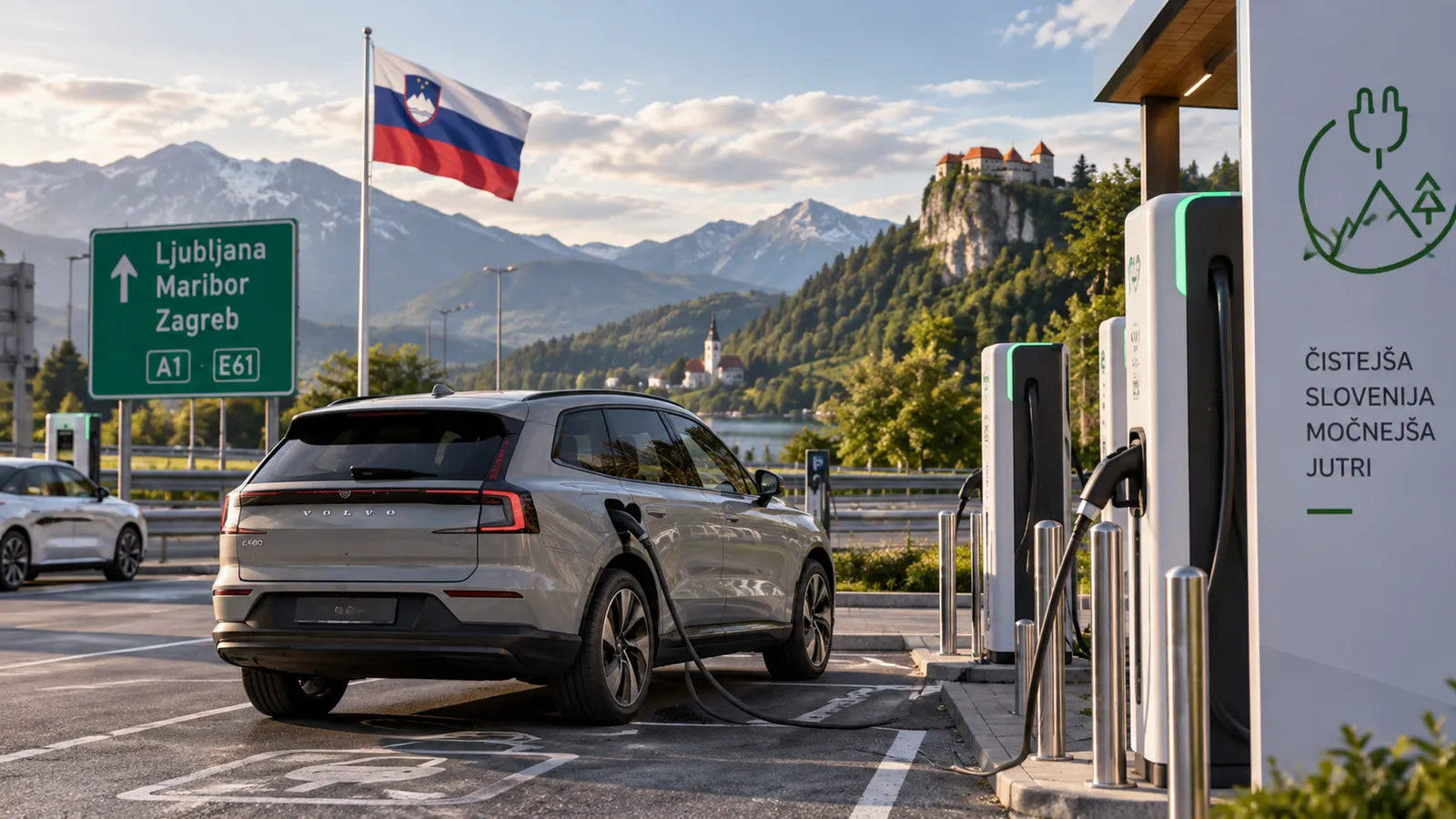
Slovenia is definitively ending subsidies for purchasing electric cars after funds from the previous program were exhausted in mid-August 2026. Prime Minister Janez Janša’s government is redirecting the money toward infrastructure, including around 25 million euros for charging stations in 2027.
Minister of Energy and Infrastructure Jernej Vrtovec explicitly stated that the country will “categorically stop subsidies for buying electric vehicles.” This is not a temporary suspension of applications or waiting for a new budget, but rather a shift in policy direction.
The previous funds ran out abruptly in mid-August because there were more people interested in electric cars than anticipated under the program. The ministry initially said it would not allocate new funds for this purpose.
43.9 million euros from the EU plan have already been used up
Between 2024 and 2026, Slovenia allocated 43.9 million euros to support electromobility under the EU’s Recovery and Resilience Plan. A significant portion of the funds for purchasing electric vehicles came from this source.
Funding under this mechanism expired in May 2026. Subsequent programs would therefore have to be covered primarily by the national budget, and the new government does not intend to allocate funds for this purpose.
The political change coincided with a shift in leadership. In May, Janez Janša replaced Robert Golob as prime minister; Golob’s left-liberal cabinet had implemented the previous policy of subsidizing the purchase of zero-emission vehicles. The subsidies for cars are substantial and easy to calculate for buyers. However, they can disappear from the budget faster than a new round of funding can be established.
First free chargers, then the TEN-T network
Urška Kalan, deputy director of Borzen, the state energy market operator and coordinator of the subsidy system, speaks about shifting priorities. Around 2.5 million euros is set to be available for slower charging points.
A significantly larger amount will become available in the coming year. Slovenia plans to allocate about 25 million euros in 2027 for chargers located on and off the TEN-T network. In practice, this refers to stations along major European transport corridors as well as locations outside transit routes.
This is a logical direction if the infrastructure is indeed built. However, the mere declaration of 25 million euros does not help customers who currently have to pay the full cost out of their own pockets. Subsidies lower the price at the time of purchase, while chargers improve usability over the years. One does not automatically replace the other.
For Poland, this is an interesting signal from the region, especially since here too the topic of public support for electric vehicle purchases resurfaces with every program change. Slovenia chose to invest in charging stations, but time will quickly show whether buyers will accept the lack of subsidies.
The most interesting question will be whether the 25 million euros will go toward chargers where drivers truly need them, rather than just those that look good in the TEN-T tables. Would you prefer more charging stations at the expense of completely ending subsidies for electric vehicles?
LovEV Newsletter
Want more content like this?
Sign up — we’ll send you a weekly summary once the newsletter starts.