
Sodium or lithium: which batteries will power electric cars in the next decade
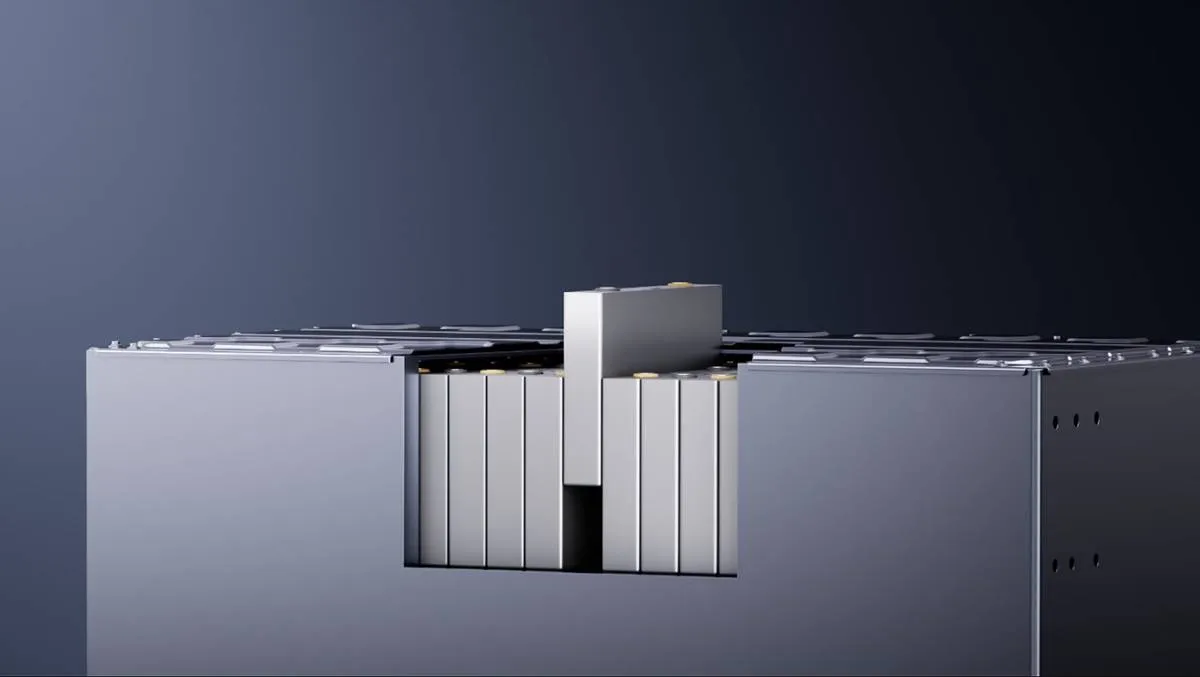
Sodium batteries are gaining traction with projects for electric vehicles and energy storage. Their abundance and performance in cold conditions offer advantages, though energy density, manufacturing costs, and production capacity still favor lithium.
We’ve been hearing for years that a new battery technology is on the verge of changing everything—greater range, lower costs, and readily available materials. Sodium has compelling advantages, but to understand its full potential, we need to look beyond the abundance of its raw material. Creating a competitive battery requires far more than just finding an inexpensive element.
The industrial movement is already in full swing. CATL and Changan unveiled an electric car equipped with sodium batteries in February 2026, announcing its commercial release for mid-year. Another significant step was taken in April: a deal between CATL and HyperStrong to supply 60 GWh of sodium batteries over three years for energy storage purposes.
Sodium is abundant, but the battery matters too
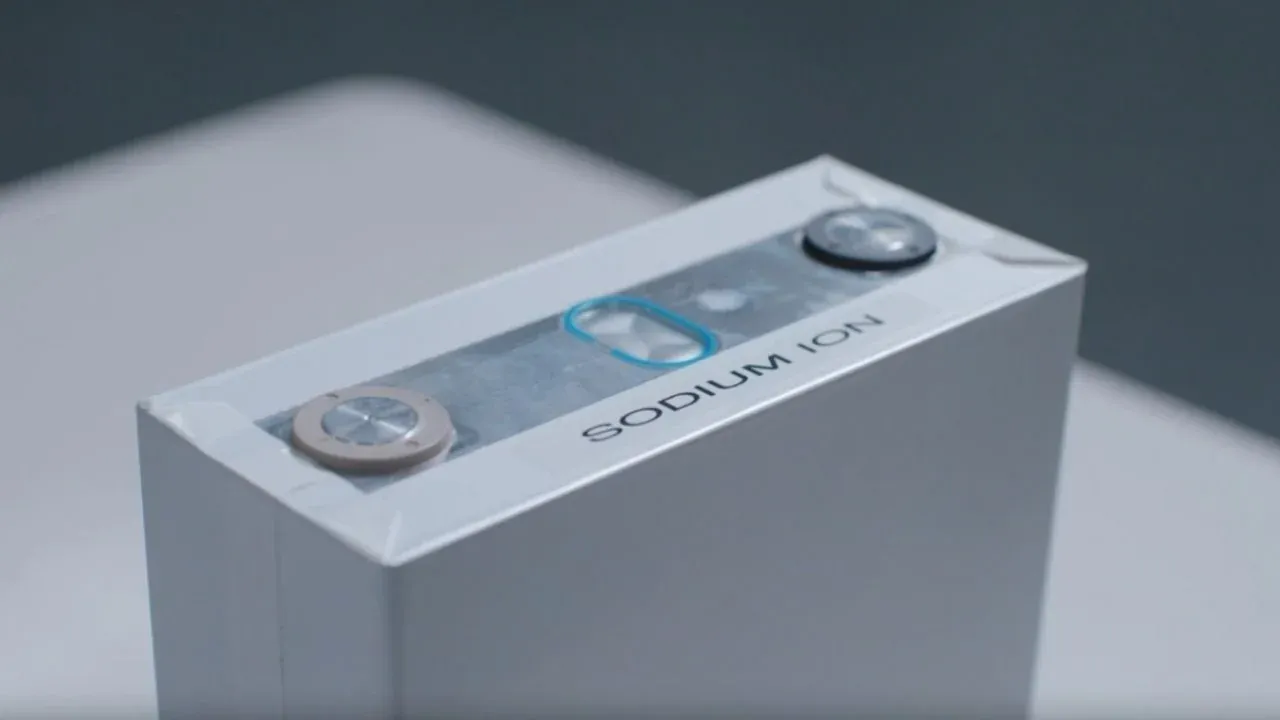
The operating principle is familiar. In both lithium-ion and sodium-ion batteries, ions move between the electrodes during charging and discharging. Changing the material that carries the charge alters the materials and properties of the cell. This choice determines how much energy it can store, its weight, and its response to temperature changes.
Sodium has the advantage of being widely available. It is present in common salts and helps reduce exposure to the volatility associated with lithium. Additionally, these cells can use aluminum current collectors on both electrodes, reducing the need for copper. Some designs also eliminate cobalt, while the anode typically uses hard carbon instead of graphite.
However, this does not mean that all sodium batteries are free of critical raw materials. Certain chemistries use nickel or manganese, and producing hard carbon with the appropriate properties requires a specialized industry. Having an abundance of the key element helps, but it does not alone solve the issue of supplying all components.
It also does not guarantee immediate diversification in manufacturing. China dominates much of the industrial development of this technology and its supply chain. Thus, while sodium can expand available options, reducing geographic dependence will require investment in materials, factories, and expertise outside of Asia as well.
Energy density still favors lithium
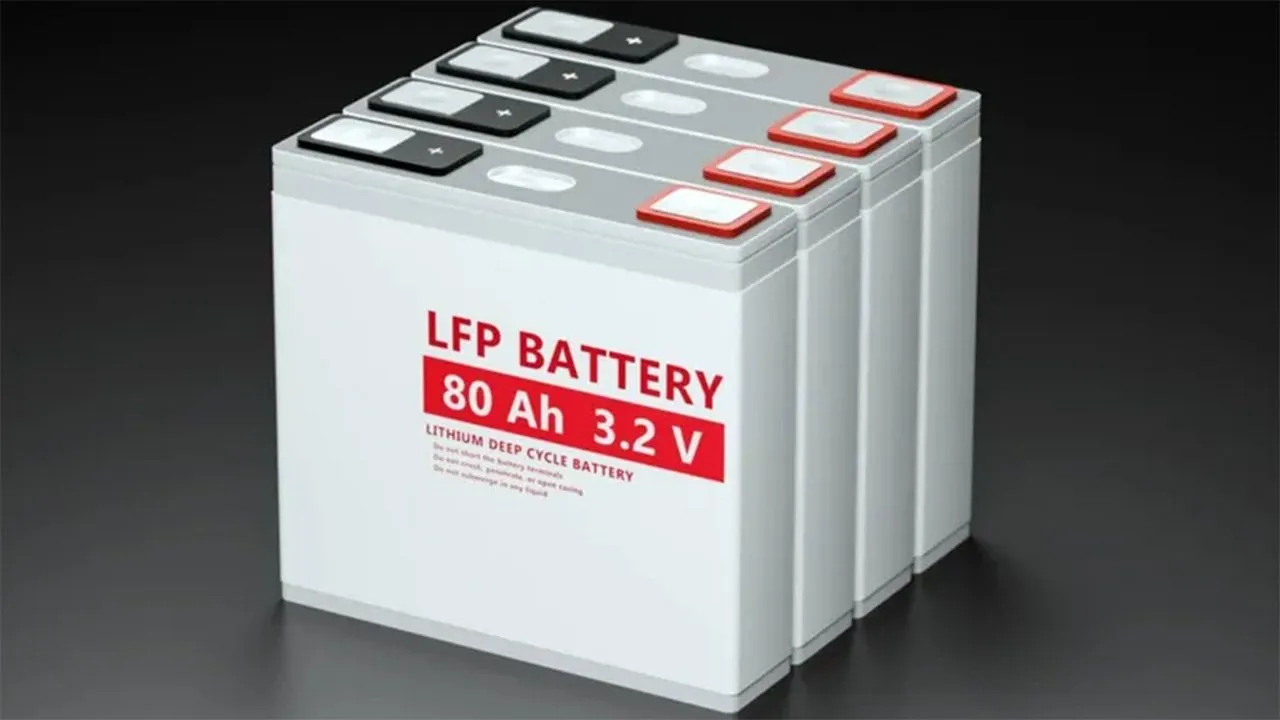
In an electric car, weight and space are extremely important. According to data compiled by the International Energy Agency in its 2026 report, the latest sodium cells achieve around 175 Wh/kg, compared to about 205 Wh/kg for LFP cells and 265 Wh/kg for NMC cells. These figures refer to the cells themselves, not the complete battery installed in the car.
A lower energy density requires more mass to store the same amount of energy. Volume differences also matter: manufacturers have limited space under the cabin. This can result in reduced capacity, increased weight, or greater difficulties in fitting a battery that allows long-distance driving.
As a rough guideline, the IEA estimates around 350 kilometers for a mid-size SUV with sodium batteries, compared to 400–600 kilometers with lithium technologies under average weather conditions. These are not certified ranges for specific models nor a universal technical limit, but rather a comparison to illustrate how energy density affects range.
In fact, CATL claims ranges exceeding 400 kilometers for its partnership with Changan. This figure should also not be directly compared to the IEA’s estimate without knowing the specific conditions and testing cycle. The vehicle’s efficiency, installed capacity, and cell integration can significantly influence the result.
Extreme cold is one of its major advantages
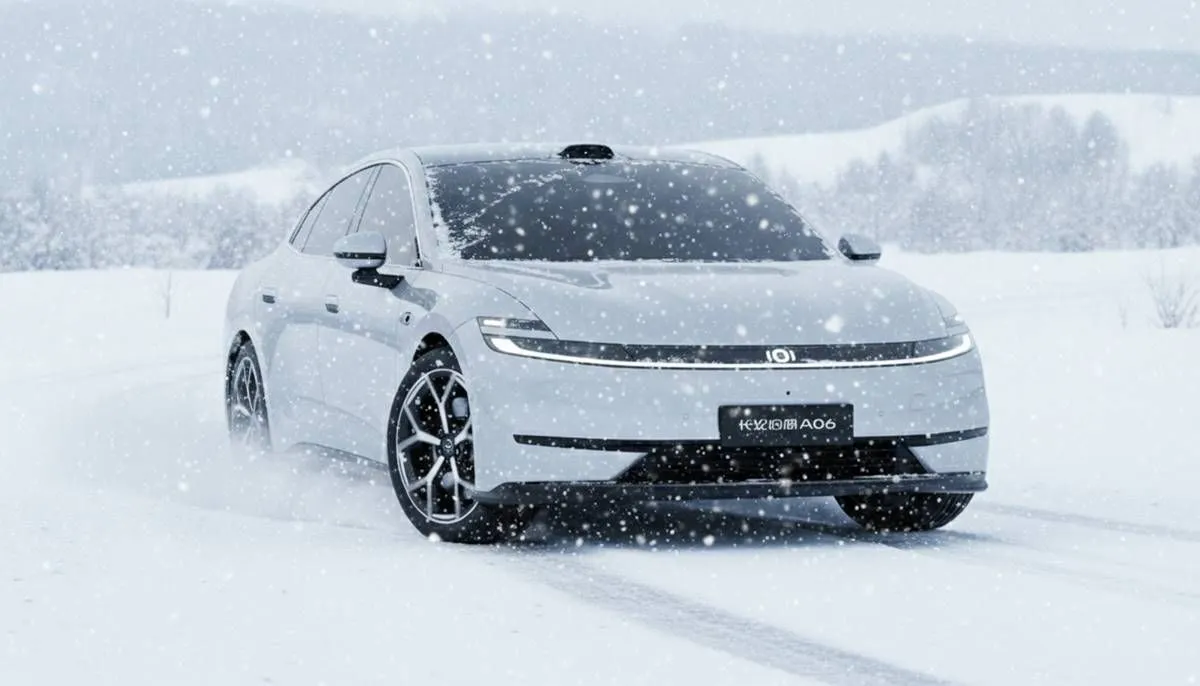
Sodium offers particularly interesting advantages in very low temperatures. CATL claims that its Naxtra battery retains over 90% of its capacity at −40 °C. This is a manufacturer’s figure for a specific product and should not be automatically applied to all sodium batteries, but it demonstrates the potential of this chemistry under demanding conditions.
It is also important to distinguish between battery capacity and a vehicle’s range. Maintaining a high available capacity in cold weather does not mean preserving exactly the same mileage: heating and driving conditions still affect consumption. Nevertheless, reducing battery performance losses can offer a significant advantage in regions with harsh winters.
For those markets, sodium could prove attractive even if it does not match lithium’s energy density. CATL is also considering combining both chemistries in a single battery to leverage their distinct properties. This approach allows the product to be tailored to the intended use without relying on a single technology to meet all needs.
Small cars and the electric grid open up new markets

The most immediate application seems to be in electric cars with moderate range, urban delivery services, and other uses where it’s not essential to store maximum energy in the smallest space. A car designed for daily commuting may have different priorities than an SUV meant for frequent highway travel.
Stationary storage offers another important opportunity. A facility that stores electricity from solar panels or wind farms doesn’t need to transport its own battery by road. Space still costs money, but factors like longevity, efficiency, and the cost per charge-discharge cycle play a significant role.
That’s where CATL’s deal with HyperStrong fits in. The 60 GWh committed represents supply planned over three years, not batteries already delivered. This is in addition to the launch of the TENER sodium system in June 2026, through which CATL further strengthens its commitment to this technology for energy storage.
The challenge lies in competing with LFP batteries that already have well-developed factories, suppliers, and production processes. Sodium may help reduce costs for certain materials, but this advantage must offset smaller production volumes and an industrial chain still under development. A cheaper raw material does not guarantee a cheaper final battery.
The industrial gap remains significant. According to the IEA, global sodium battery production in 2025 was less than 1% of that for lithium-ion batteries. Increasing this volume will help determine how much costs can be reduced and whether the advertised performance remains consistent at larger scales.
Therefore, the most reasonable approach for the next decade is to expect a coexistence of these technologies. Lithium retains clear advantages when range, weight, and space are critical factors, while sodium may gain ground in specific applications. For buyers, the breakthrough will come when these advantages translate into a vehicle that meets their needs at a lower cost.