
Slovenia will no longer provide subsidies for electric cars
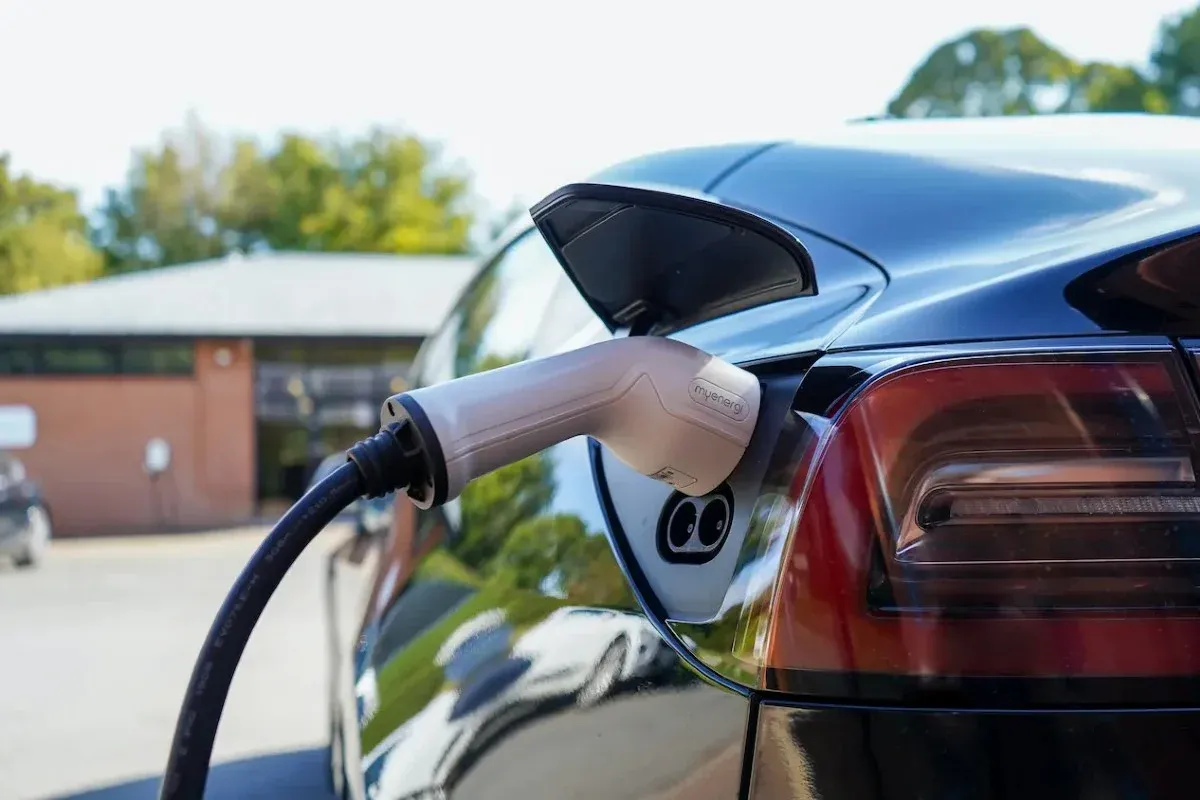
Slovenia will no longer provide subsidies for purchasing electric vehicles and instead focus on expanding charging infrastructure. This decision is part of a broader energy policy shift under the new government led by Prime Minister Janez Janša.
Image: Mounting
According to media reports, funding for purchasing electric cars in Slovenia ran out abruptly in mid-August due to high demand—prompting the Ministry of Energy and Infrastructure to initially state that no new funds would be allocated for now. This month, Energy and Infrastructure Minister Jernej Vrtovec followed up by announcing that the state “will definitely stop subsidizing the purchase of electric vehicles.” Vrtovec is part of a new government under right-wing conservative Prime Minister Janez Janša, who replaced his left-liberal predecessor Robert Golob and his government in May.
As Urška Kalan, deputy director of Borzen, Slovenia’s public electricity market operator and funding coordinator, stated, there is a shift in priorities. The new government will focus more attention on expanding charging infrastructure. “Around 2.5 million euros are available for slower charging stations, and next year approximately 25 million euros will be allocated for charging stations within and outside the TEN-T network,” Kalan was quoted as saying in Slovenian media.
A significant portion of past eMobility subsidies came from the European Union. Under Slovenia’s Recovery and Resilience Plan, a budget of 43.9 million euros was allocated for promoting electric vehicles from 2024 to 2026. This funding source expired in May, so future initiatives will primarily have to rely on national funds.