
Pity about the reverse gear: its best-selling SUV will continue to exist in plug-in hybrid versions with a range of over 100 km.
14/09/2026 13:30
Updated to
14/09/2026 13:30
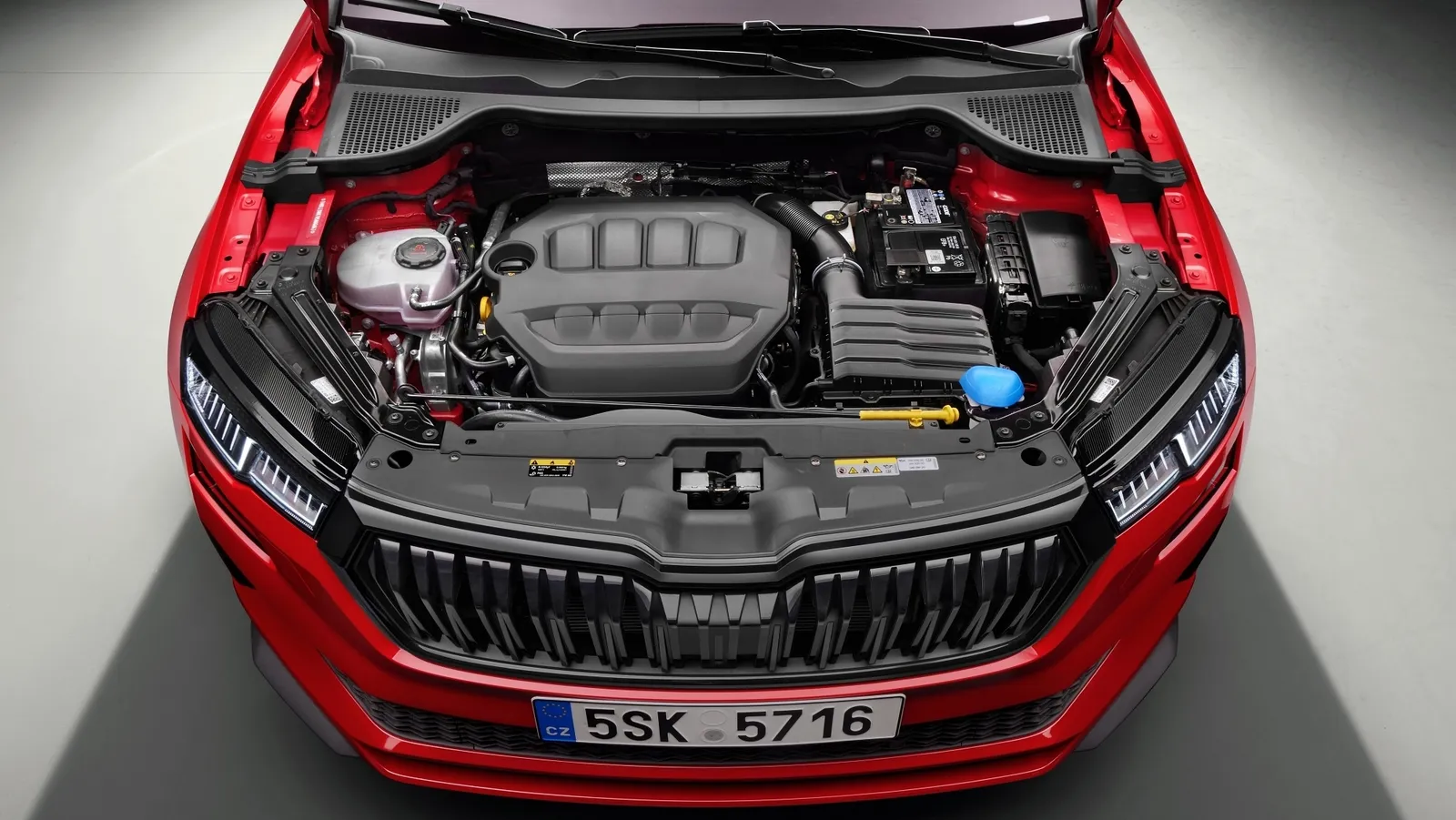
Just a few years ago, Skoda’s plan was to phase out the Karoq and let its all-electric SUV, the Elroq, fill that spot in the lineup. But the Czech brand has changed its mind. Skoda’s CEO, Klaus Zellmer, has given approval for a second generation of this popular compact SUV, which will hit the market in 2027 or 2028 and may, for the first time in its history, come equipped with a plug-in hybrid system. This new information confirms the rumors we’ve been hearing for several months.
The decision was not arbitrary. The original Karoq arrived in 2017 and has become one of the brand’s pillars, so simply phasing it out would have been a commercial risk. The introduction of a PHEV version also changes the car’s positioning: until now, the Karoq was only available with internal combustion engines, without any electrified versions in its lineup. This has led to a significant drop in sales across Europe.
The Role of the Karoq in Skoda’s Growth
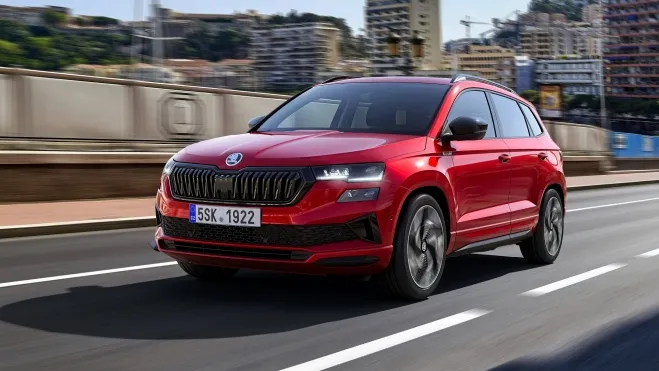
To understand why the brand doesn’t want to give up this model, all one needs to do is look at the numbers. The Karoq has already surpassed one million units produced at the Kvasiny plant (Czech Republic) and is sold in around 60 countries, making it one of the most profitable SUVs in the Czech catalog. In 2024, nearly 110,000 units were delivered worldwide, representing a 9.3% growth rate, which directly contributed to Skoda’s best financial performance in its history.
However, Skoda’s own 2025 results report shows a shift in trend: Karoq deliveries dropped to 102,600 units, a 6.2% decrease from the previous year. This decline coincides with the market launch of the Skoda Elroq, the electric SUV intended to take over its customer base, which sold 95,300 units in its first year alone, becoming Europe’s second-best-selling electric vehicle. The difference is that while one in four cars Skoda delivered in Europe in 2025 was already electric, the Karoq still offered no electrified alternative.
Same platform, but different positioning
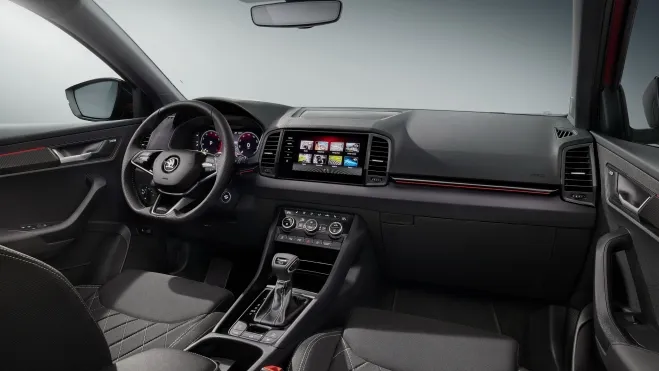
The new Karoq will still be built on Volkswagen Group’s MQB platform, the same one it has used until now. There is no change in architecture, but there is a significant improvement in the range of engines available. According to Zellmer, the mechanics of the new model “will be very similar to those in the Kodiaq,” the brand’s seven-seater SUV and one of the best-performing models with its plug-in hybrid system. This reference to the Kodiaq gives a clear indication of the direction the vehicle will take. Zellmer was specific about the target figure: an electric range of over 100 kilometers, which he considers “perfect for the Karoq’s successor.”
The new Karoq will share many technical elements with the Volkswagen T-ROC, its close relative within the group. This is where the plug-in hybrid concept makes more sense as a marketing strategy, offering a plug-in hybrid option that the T-ROC will not have (it will at most be hybrid), allowing Skoda to differentiate its compact SUV without making radical changes to the platform or exterior design. Zellmer also hinted at the car’s price: despite the technological leap, the aim is to keep it in the same segment as the Elroq, providing “more value for the same money” to those who are not yet ready to make the full switch to electric vehicles.
A gap even the Elroq has not been able to fill
The interesting aspect of this case is that Skoda openly admits its initial strategy did not turn out as expected. The Elroq has become a sales success, but that has not been enough to meet the entire demand created by the gap left in the market by the Karoq. Zellmer puts it bluntly: “We would like the Elroq to completely take over that market segment for us, but it doesn’t, so we see great potential in the Karoq and its successor.” This is an unusual admission in the industry, where brands rarely admit that an electrification plan has not worked exactly as planned on paper.
Source: Autocar