
Shell sold one of Germany's major battery manufacturers and declared bankruptcy just two months later, despite having over 150,000 customers.
27/10/2026 13:00
Updated to
27/10/2026 13:00
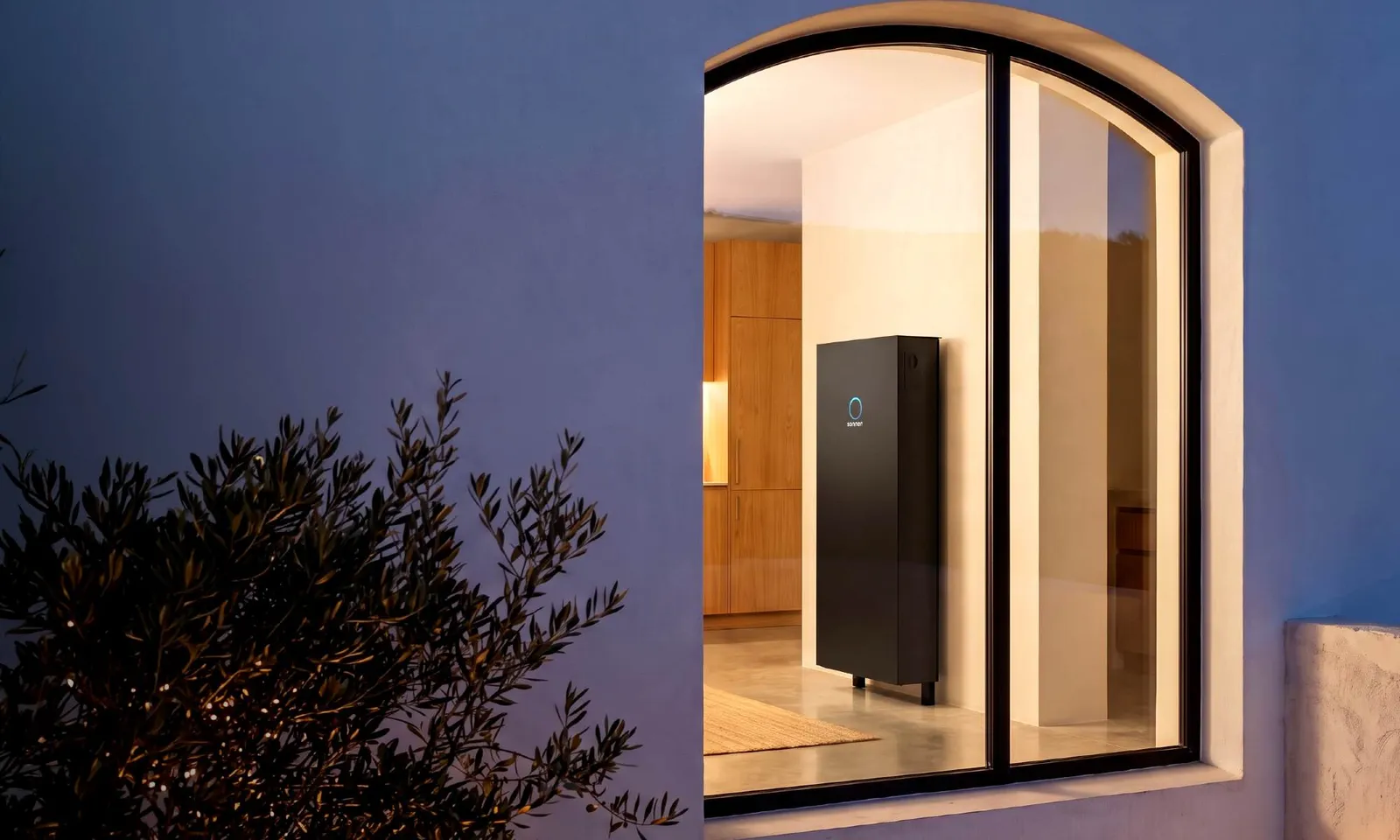
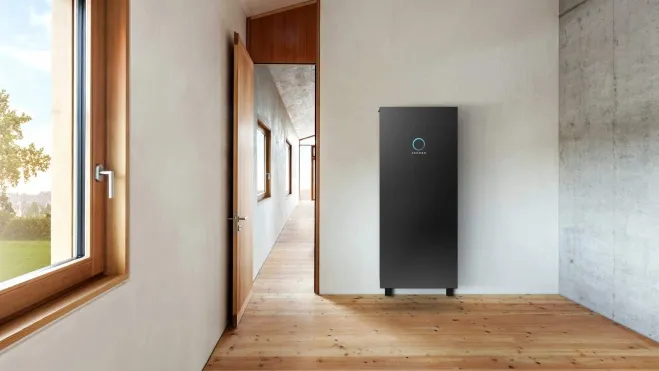
Sonnen, one of Germany’s major manufacturers of battery systems for self-consumption, filed for insolvency just two months after Shell sold the company to investor Tiven. Based in Wildpoldsried in Bavaria’s Allgäu region, the company still has over 150,000 customers and around 400 employees despite its difficult situation.
According to Handelsblatt, business with current customers and after-sales service will continue, but many subsidiaries will be liquidated or enter voluntary insolvency proceedings. Additionally, only one of the production facilities will remain operational.
An end after three years of attempts to sell
Shell acquired the German manufacturer in 2019 in a deal valued at around 500 million euros, but it had been trying to get rid of it over the past three years, succeeding in doing so last August. The oil company justified the move as part of its strategy to optimize its business portfolio and claimed that the new owner, Tiven, along with investment firm Aurelius Water Rise, was well positioned to support the company’s development.
The move was intended to pave the way for a restructuring, but bankruptcy proceedings were initiated in October, just two months after the sale was completed. However, this wasn’t sudden; it stemmed from years of accumulating financial difficulties.
Sonnen’s revenue dropped from 443 million euros in 2023 to 198.9 million in 2024. That latter year, the company recorded EBITDA losses of 188.7 million euros, which refers to earnings before interest, taxes, depreciation, and amortization. In 2025, a cost-cutting program helped reduce losses to 52.2 million euros, but the company remained unprofitable. The goal was to achieve profitability by 2026, but internal projections were far from the actual results achieved.
The restructuring had already resulted in a significant reduction in staff, as the company went from having 1,318 employees to around 800 by January of this year, but it still went bankrupt with approximately 400 workers remaining in its German operations. It also shut down certain operations and cut costs under a program called Project Sunrise, yet these measures were not enough to ensure the business’s viability.
A failed restructuring plan
Tiven, the new owner, intended to restructure Sonnen and prepare it for future resale after acquiring the company. However, Oliver Koch, who had been the executive director up to that point, resigned a week after the deal closed. Starting October 1, Friedrich Trautwein took charge of the company, and on October 5, it announced internally that it would work on a viability plan, with future funding contingent on meeting certain goals. Two weeks later, insolvency was filed.
In this way, the group’s future now hinges on separating the activities that can continue from those that will cease operations. Sonnen Holding consists of 16 subsidiaries focused on production, research, development, installation, distribution, and energy management in various countries. According to Handelsblatt, Australia has already entered into a voluntary insolvency process, while the operations in the UK and Italy are set for liquidation. Spain is expected to remain as a services company initially, and the continuity of business in Egypt remains unclear. In the United States, operations will be reorganized through Sonnen Intelligence, a new company that will continue to manage the U.S. business.