
SEAT on the brink of extinction: Volkswagen could shut down this historic Spanish brand by 2029
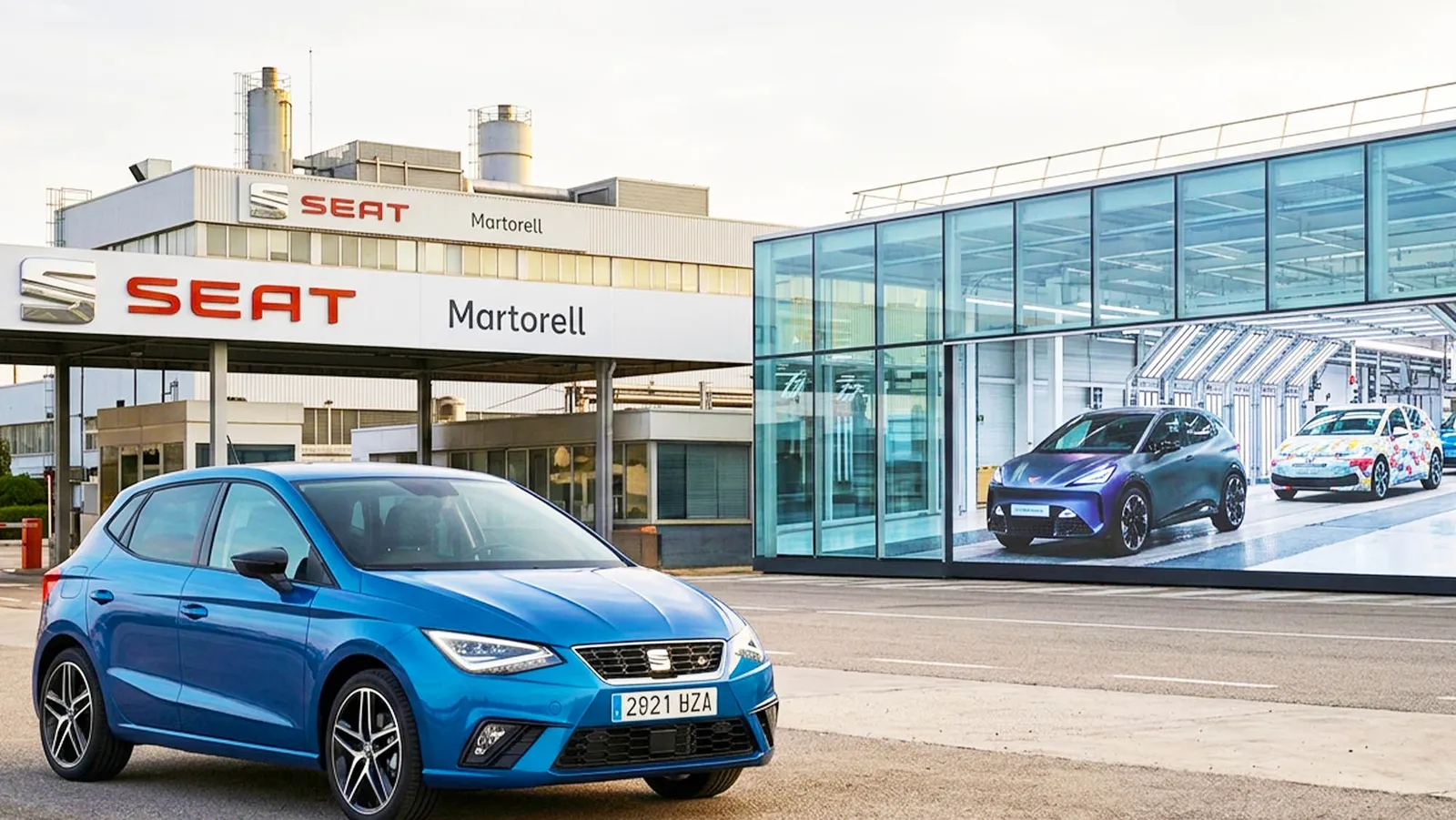
SEAT, the historic Spanish automobile brand, is facing its most delicate moment in its 76-year history. Volkswagen is considering a new strategic plan that could lead to the gradual elimination of the SEAT brand starting in 2029, as it focuses its resources on CUPRA and the electrification of its business.
It’s important to note that SEAT has not disappeared yet, and Volkswagen has not officially approved its elimination. The company itself has acknowledged that Volkswagen Group is working on a transformation plan to improve its competitiveness and efficiency, but insists no decision has been made regarding SEAT’s future.
CUPRA Gaining Ground on SEAT
The evolution of the two brands that make up SEAT S.A. helps explain the shift in strategy. In 2025, CUPRA reached a record high of 328,800 vehicles sold, 32.5% more than in 2024. SEAT, on the other hand, delivered 257,400 units, a 17% decrease. Together, SEAT sold 586,300 vehicles, an increase of 5.1%, marking its best performance ever.
This situation is particularly significant because CUPRA was established within SEAT in 2018 as an independent brand aimed at a more sporty and premium positioning.
It has now become one of the main drivers of growth for the group. CUPRA has also surpassed one million vehicles sold since its inception, while expanding its electric lineup with models such as the Born, Tavascan, and the new Raval.
The scenario being considered at Volkswagen suggests that 2029 will be a critical year for SEAT. The brand might stop receiving new investments and gradually lose its role within the group’s strategy, while CUPRA would assume an increasingly important position.
This date coincides with another major change at Martorell: production of combustion engine vehicles at the Catalan plant is expected to end around 2029. This does not mean Martorell will close down. In fact, the industrial strategy points in the opposite direction.
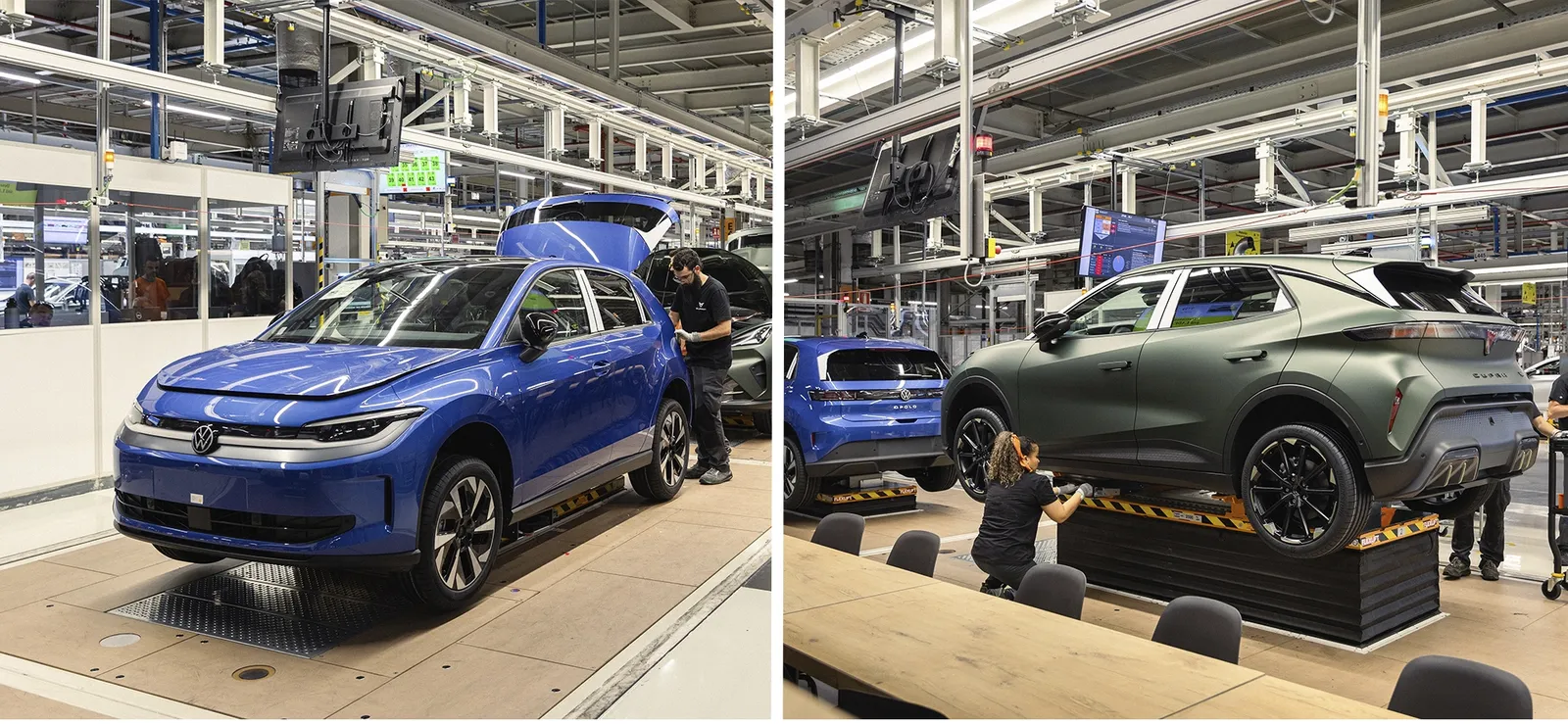
The factory is being transformed to produce electric vehicles. Following an investment of around 3 billion euros, Martorell has begun manufacturing the new generation of urban electric models from Volkswagen Group, including the CUPRA Raval and the Volkswagen ID. Polo.
The transformation also includes facilities for assembling battery systems, strengthening Spain’s role within Volkswagen Group’s electrification strategy.
A brand that put Spain on wheels
The possible end of SEAT would have far greater significance than just the disappearance of a commercial brand.
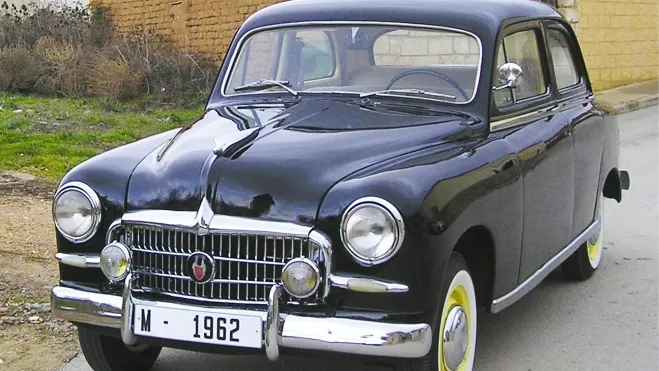
The company was founded on May 9, 1950, and produced its first car, the SEAT 1400, in 1953. The SEAT 600 became one of the symbols of car popularity in Spain just a few years later. Subsequent models included the Ibiza, León, Toledo, Córdoba, Altea, and Arona.
The Ibiza remains particularly significant in the company’s history. Since its launch in 1984, over six million units have been sold, making it the best-selling model in SEAT’s history.
According to the latest corporate data, SEAT S.A. has produced more than 21.5 million vehicles throughout its history. The company also states that it creates over 100,000 indirect jobs through its value chain and contributes approximately 1% to Spain’s GDP.
The problem is not just SEAT
The potential disappearance of SEAT comes at a particularly difficult time for Europe’s automotive industry. Volkswagen is undergoing a major restructuring to cut costs and improve profitability amid competition from Chinese manufacturers, pressure on profit margins, and the shift toward electric vehicles.
SEAT has not been spared these problems either. In 2025, despite a 3% increase in global sales to 657,413 vehicles, SEAT S.A.’s operating profit dropped from 633 million euros in 2024 to just under 1 million euros. The company attributed much of this decline to European tariffs that affected the CUPRA Tavascan.
However, sales revenue increased by 5.1%, reaching approximately 15.3 billion euros. The contrast between sales volume and profitability highlights the main challenge facing the manufacturer currently.
That is why discussing the disappearance of SEAT and discussing the closure of Martorell are two different things. The Catalan plant is being prepared for a new phase focused on electric vehicles. In 2025, it produced 470,347 vehicles and began operating a new battery system assembly plant.
The scenario that emerges is not necessarily one of the disappearance of Spain’s automotive industry, but rather a profound transformation: fewer SEAT vehicles, more CUPRA and Volkswagen models, and increasingly electrified production.
The question is what will happen to the SEAT name once the current model cycle ends. The brand still has products in development, and it is expected to launch, among other new models, a hybrid version of the Leon.