
End after 700 electric buses: Bolloré pulls out of Bluebus
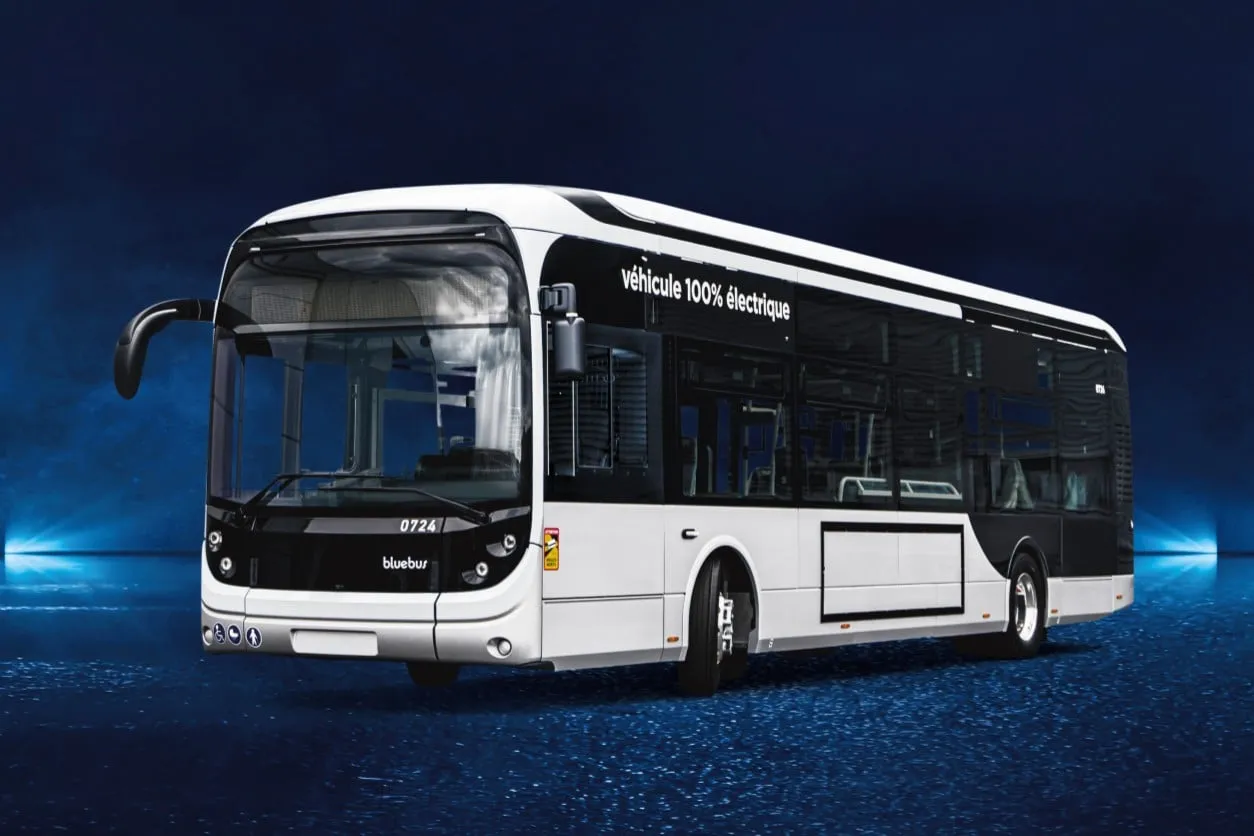
The French conglomerate Bolloré has decided to stop producing electric buses for its subsidiary Bluebus. According to Bolloré, Bluebus never reached the necessary scale to compete seriously with established suppliers. Meanwhile, the activities of Blue Solutions, its battery division, are being reoriented.
A Bluebus in the 12-meter version
Image: Bluebus
Bluebus, the electric bus manufacturer known only within specialized circles in Germany, is shutting down its operations and will no longer build vehicles. This marks the end of a company that initially seemed like a success story 15 years after its founding in 2011. During that time, Bluebus delivered nearly 700 electric buses (6 meters and 12 meters) to around 60 public transportation operators—almost all in France, with the exception of the MIVB/STIB client in Belgium’s capital city of Brussels.
The most important orders came from Paris’s RATP – and later proved to be Bluebus’s downfall: After one of the electric buses caught fire for the second time within a month in spring 2022, RATP temporarily shut down all 149 Bluebus units in its fleet – plus those delivered later – meaning a total of 232 Bluebus electric buses were not in use for an extended period. It wasn’t until 2024 that RATP brought the electric buses back into service ahead of the Olympic Games in Paris, after completing repairs.
Faulty insulation caused the fires
The lengthy investigations into the incidents later identified short circuits caused by improperly installed insulation in the batteries of electric buses as the cause of the fires. This was a severe blow to Bluebus and the entire Bolloré group, as the batteries had previously been the highlight of electric buses. After all, the batteries were developed and produced in-house by their sister company Blue Solutions. These were commercially available solid-state batteries based on Bolloré’s Lithium-Metal-Polymer technology (LMP). You can read an earlier electrive interview about this early leadership of the French company and the details of the battery platform here.
It is clear that Bluebus’s electric buses were supposed to serve as a mobile showcase for this battery technology – but after the two fires and the results of the investigations, both Bluebus and Blue Solutions’ reputations were damaged, making it much harder to secure orders.
Bluebus did not reach the required scale
Although Bolloré does not mention these incidents by name in its current announcement, it can be assumed that they played a role in the company deciding to pull back. The officials cite as the official reason for ending Bluebus that the company never achieved the necessary scale to compete effectively with other industry players.
While Bluebus is stopping the production of electric buses, resulting in 74 employees losing their jobs, a small team is set to remain to handle the maintenance of the approximately 700 vehicles already delivered. The R&D department, which employs 17 people, is instead planned to be sold by Bolloré to a European company yet unnamed that operates in public transportation. The deal appears to be nearing completion.
Future for Blue Solutions’ Battery Division
While the bus business is being discontinued due to a lack of scale benefits, Bolloré intends to continue its battery division, Blue Solutions, and focus entirely on developing the next fourth generation (Gen4) of batteries. These solid-state cells are designed to operate at room temperature, offer ultra-fast charging times (under 20 minutes), 40 percent greater range, and improved safety levels. Blue Solutions also plans to build a gigafactory for such battery cells by 2029. To fund this capital-intensive project, the company is now seeking a strategic investor.