
Scania debuts the MCS battery for its 40R truck.
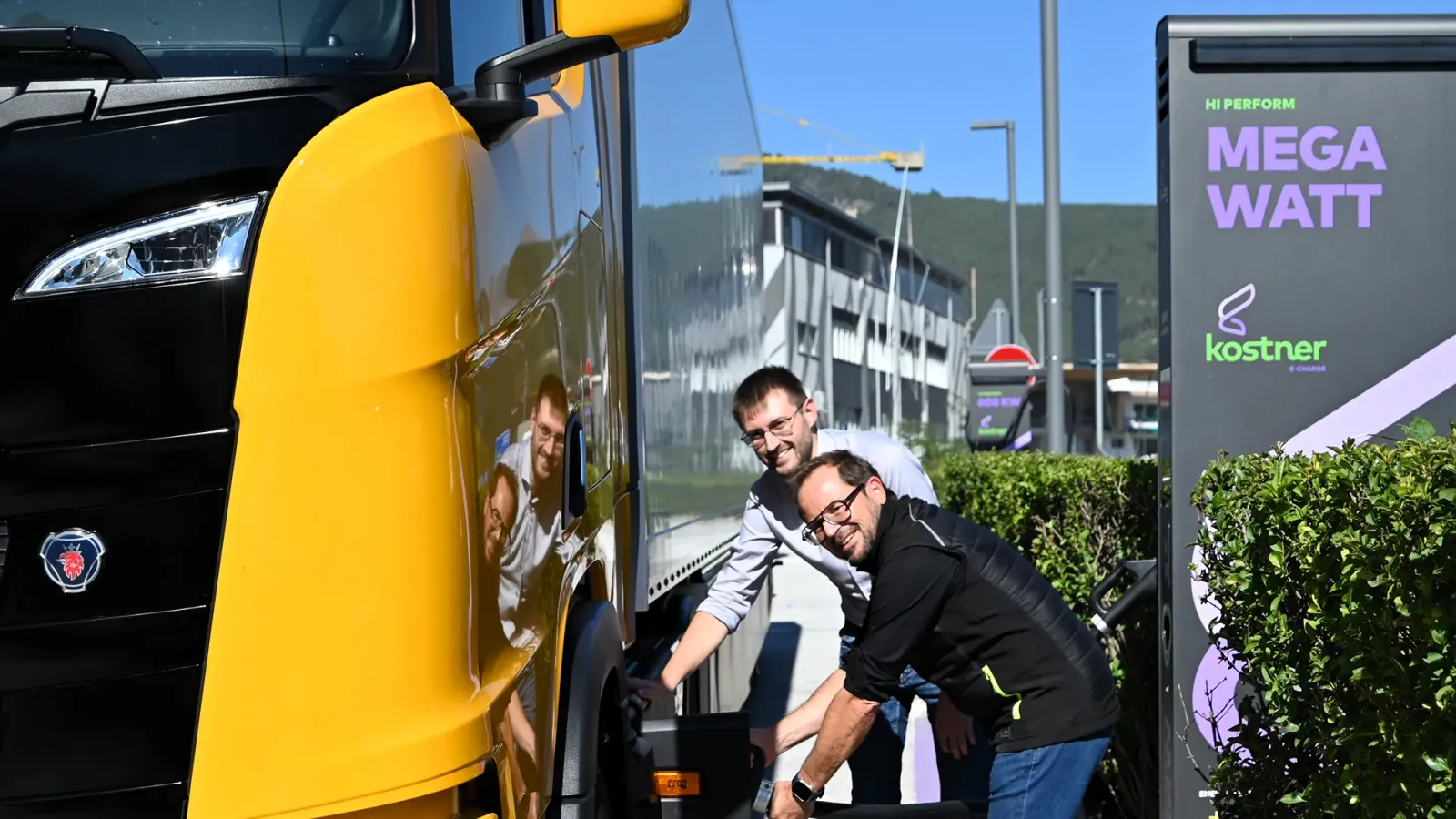
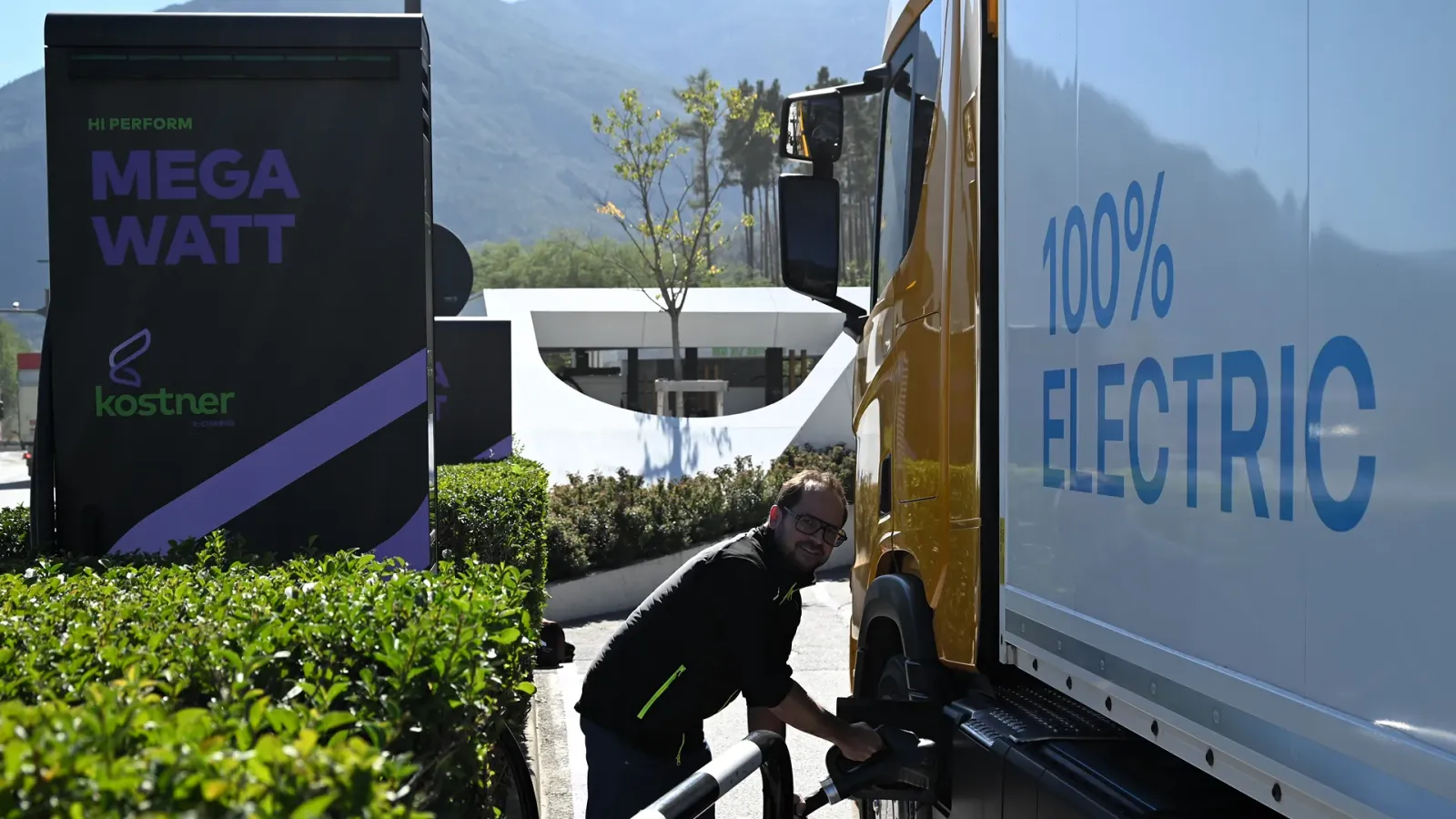
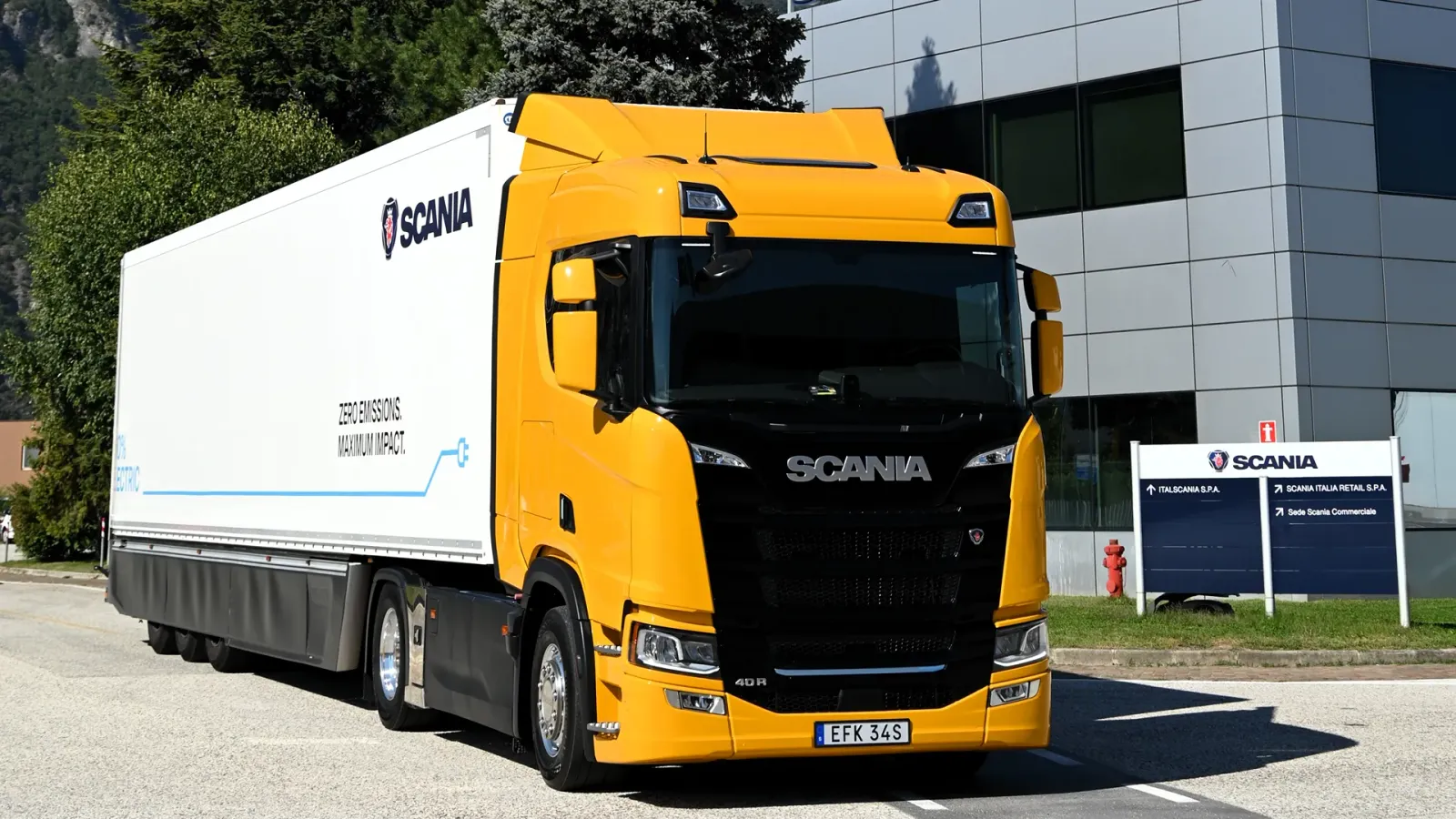
Ultra-high power charging for Scania. With the MCS (Megawatt Charging System) using its electric truck: a Scania 40 R at the Bolzano Sud and Varna stations. Specifically, the test was conducted at two infrastructure sites along the Brennero axis: the station at the A22 toll booth in Bolzano Sud, operated by Autostrada del Brennero, and the Varna station, built by Ide2n (Energy Systems & E-Mobility) and managed by kostner Service Stations. A real but highly symbolic event that paves the way for long-distance travel by electric trucks.
400 km in just 30 minutes
Charging time is one of the key factors for the success of electric trucks, especially on long distances. The power of this type of charging station is remarkable: up to 400 km in just 30 minutes. Taking into account mandatory stops and this fast charging capability, along with MCS infrastructure at major highway intersections, the transition to cleaner energy in heavy transportation can be accelerated not only across regions but also nationally and internationally.
Alpitronic raises ultra-fast charging to 1 Megawatt
In a statement, the company celebrated: “Scania is the first industrial vehicle manufacturer to conduct an MCS (Megawatt Charging System) charge in Italy using its own electric truck.”
Simone Martinelli (E-mobility, Urban & Construction Sales Scania Italia) provides more details. “The Megawatt Charging System is the standard developed to enable fast charging of long-distance electric industrial vehicles. Compared to CCS2, which is currently the most widely used standard for charging electric trucks, MCS is designed to handle higher currents and power levels, with a potential capacity of up to 3,000 amperes. Scania’s current system operates at currents of up to 1,000 amperes, allowing 400 kilometers of range to be charged in 30 minutes—this corresponds to the distance that can be covered in 4.5 hours of driving before a mandatory break. Electric missions thus become even more easily compatible with the rhythms of professional transportation.”
Charging power up to 750 kW, the two MCS stations
Fast charging allows drivers to make better use of the downtime already planned for their driving activities. In the case of the Scania 40 R used for testing, the MCS system enables a charging power of up to 750 kW.
Via a Milence, Italy’s first truck charging hub
Let’s take a look at the two stations involved in the Scania study. The first is located on the Brennero motorway, at the Bolzano Sud station in the Firmian parking lot; it is Italy’s first public infrastructure for electric trucks equipped with MCS technology. In Varna, near Bressanone, Kostner Service Stations has provided a charging station to support the gradual electrification of transportation along the Brennero route.
"The activation of these two stations confirms the importance of a systems approach: electrifying heavy transport requires not only high-performance vehicles but also those capable of communicating with complex and continuously updated systems in appropriate infrastructure," said Fredrik Swartling (CEO of Scania Italia), followed by remarks from Carlo Costa (General Technical Director of Autostrada del Brennero), who, in addition to the MCS stations, calls for "an efficient distribution network for green hydrogen." Andreas Kostner (President and CEO of kostner GROUP 1947) emphasized that the station is "powered by 100% energy from renewable sources, with part generated by its own photovoltaic installations and the rest supplied by KOSI, the clean energy provider of the Kostner Group."
Alpitronic’s service, according to CEO Philipp Senoner
"Italy is one of the most important markets for European heavy transport. Especially in the logistics sector, every euro counts, and the current high diesel prices are putting additional pressure on this industry. Electric trucks can significantly reduce operating costs. However, for e-trucks to be competitive even on long-distance routes, it is essential to have high-power megawatt charging. With our HYC1000 MCS Dispenser, we make charging times of up to 45 minutes possible, which are fully compatible with the mandatory breaks required by current regulations for drivers," said Philipp Senoner (CEO of Alpitronic).
It is crucial to reduce fuel costs, but electric trucks have a significant cost disparity. Data from 2026 shows a decline in sales of battery-powered trucks, and industry associations such as Anfia are calling on the government to provide a multi-year fund of 590 million euros that, through incentives, could boost demand for e-trucks.
READ ALSO: Those excluded from the charging station subsidy speak out, furious — watch the video
Previous Article
Renault won’t sell them electric trucks: “I have a R5 and...”
Next Article
TEST — Subaru E-Outback: everything changes except Subaru’s spirit
