
Saudi Arabian CEER reveals EXOBOT electric saloon and SUV with up to 1,111hp
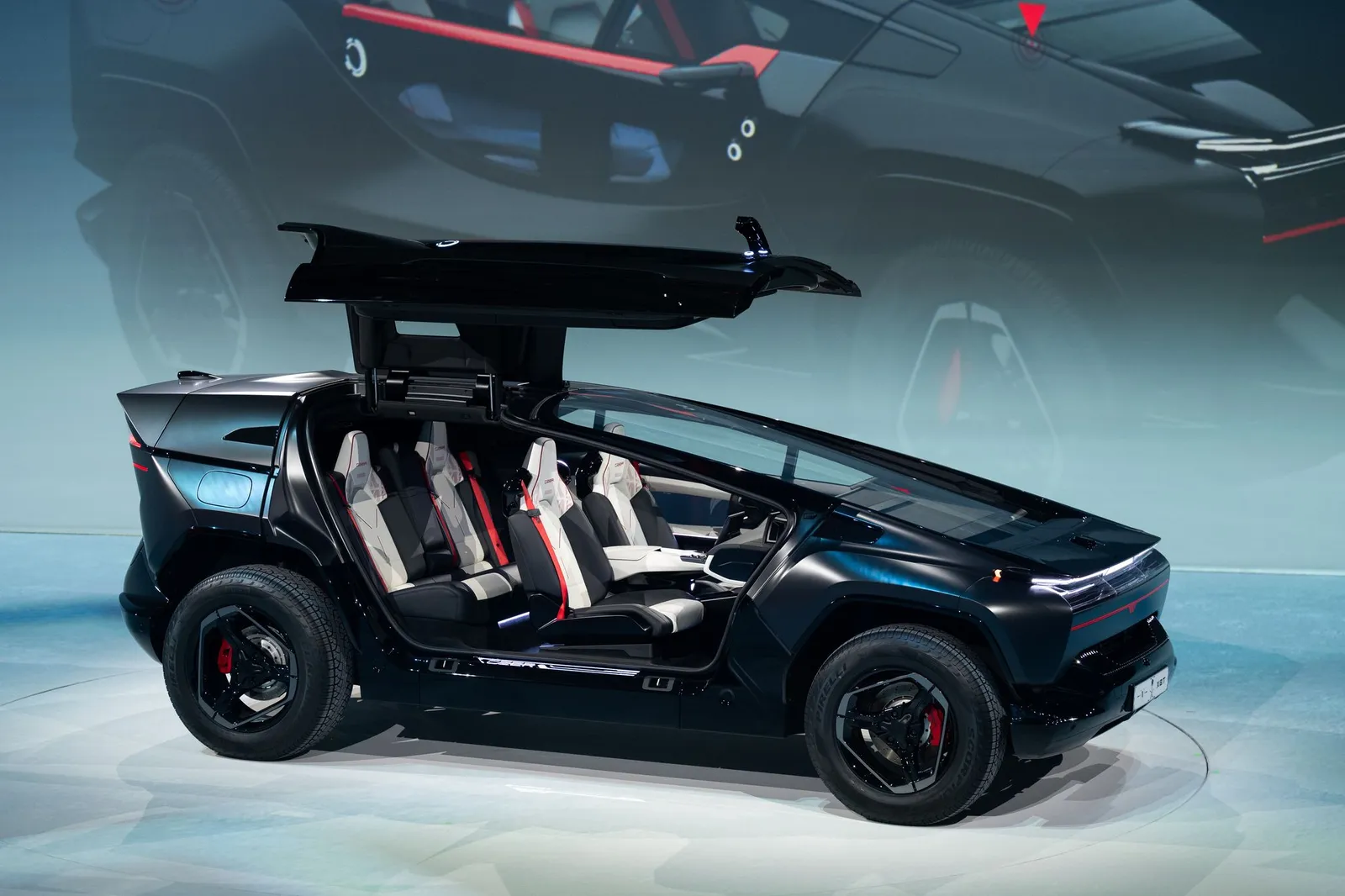
Saudi Arabian electric vehicle brand CEER has revealed its first flagship models, the EXOBOT saloon and SUV, with three motors, batteries rated at 112kWh and claimed performance reaching 0–62mph in 2.1 seconds for the most powerful saloon.
The range will open with First Edition versions producing 850hp, followed by EXOBOT Plus models. Both body styles feature all-wheel drive, 800V electrical architecture and distinctive wedge-shaped styling, with a huge windscreen and glass panels in the lower doors.
CEER’s announcement on 21 September follows an official reveal by Saudi Crown Prince Mohammed bin Salman and a world premiere at the CEER Manufacturing Complex. The vehicles have been designed and engineered locally for Saudi Arabia and the surrounding region. The supplied launch information does not give prices, customer delivery dates or details of a UK launch, but you can configure models on the CEER website.
The First Edition saloon and SUV share a nominal 112kWh nickel-cobalt-manganese battery, with estimated ranges of 670km and 560km respectively, equivalent to approximately 416 and 348 miles. However, these figures use the NEDC test cycle, and no WLTP figures have been provided for comparison with UK-market EVs.
DC charging peaks at 250kW, while CEER claims the First Edition can charge from 10% to 80% in under 30 minutes. AC charging is rated at 11kW, and the specification also lists a 3kW travel charger. Usable battery capacity and a detailed charging curve have not been supplied.
The distinction between the headline performance claims and the initial specifications is significant. CEER says the EXOBOT’s highest specification produces 1,111hp and 1,500Nm, taking the saloon to 62mph in 2.1 seconds and the SUV there in 2.4 seconds. Claimed maximum speeds are 250km/h and 210km/h, or approximately 155mph and 130mph.
However, the accompanying specification sheet covers the First Edition and Plus, both rated at 625kW, quoted as 850hp, and 1,000Nm. Their saloon acceleration figure is 2.6 seconds, with the SUV taking 2.9 seconds. The saloon’s maximum speed is 230km/h, approximately 143mph, while the SUV retains its 210km/h limit. The documents do not identify the version delivering the higher outputs.
Both models are substantial cars. The saloon measures 5,260mm long, 2,102mm wide and 1,428mm high, while the SUV is 5,016mm long, 2,101mm wide and 1,693mm high. Each has a 3,200mm wheelbase.
Boot space is less expansive than those exterior dimensions might suggest. CEER lists 424 litres for the saloon and 402 litres for the SUV, increasing to 1,007 and 1,091 litres respectively with the rear seats folded. A powered boot lid with proximity sensing appears in the equipment list.
The chassis combines double-wishbone front suspension, a multi-link rear arrangement and dual-chamber air suspension. Ground clearance ranges from 120mm to 165mm for the saloon and from 240mm to 300mm for the SUV, giving the two body styles markedly different operating heights.
Steer-by-wire and rear-wheel steering are also listed for both. CEER says the former reduces steering input from 400 degrees to 160 degrees, while rear-wheel steering is intended to improve manoeuvrability in town and stability at speed. The cabin uses a compact steering yoke with controls for selecting driving modes.
Track, Drag and Drift modes feature in the saloon specification. The SUV adds Sand mode, although Drift mode is optional on the Plus and requires the larger wheel combination. Saloon wheels measure 23 inches at the front and 24 inches at the rear. The SUV Plus starts with 20-inch front and 22-inch rear wheels, with 22-inch front and 24-inch rear wheels optional and fitted to the First Edition.
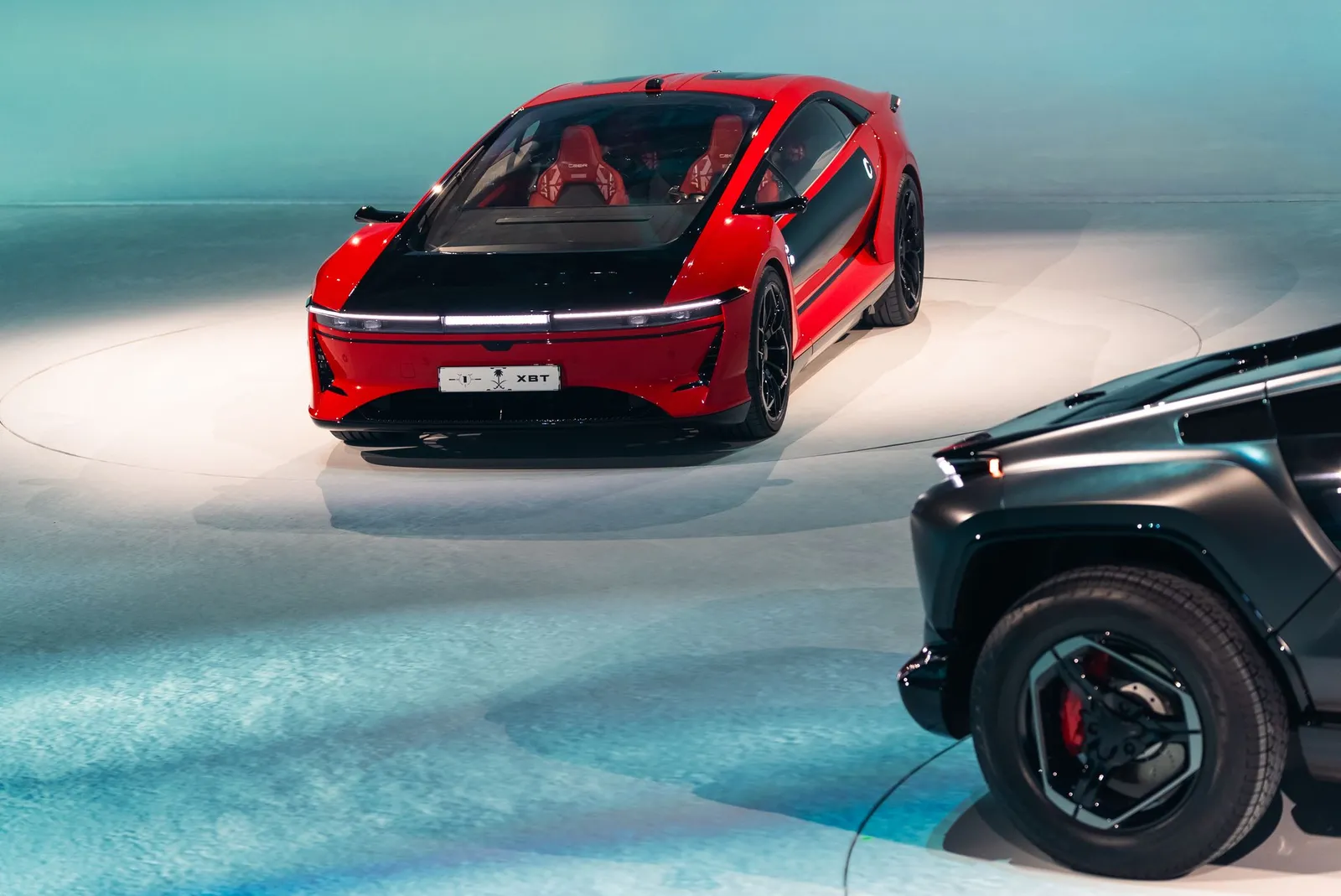
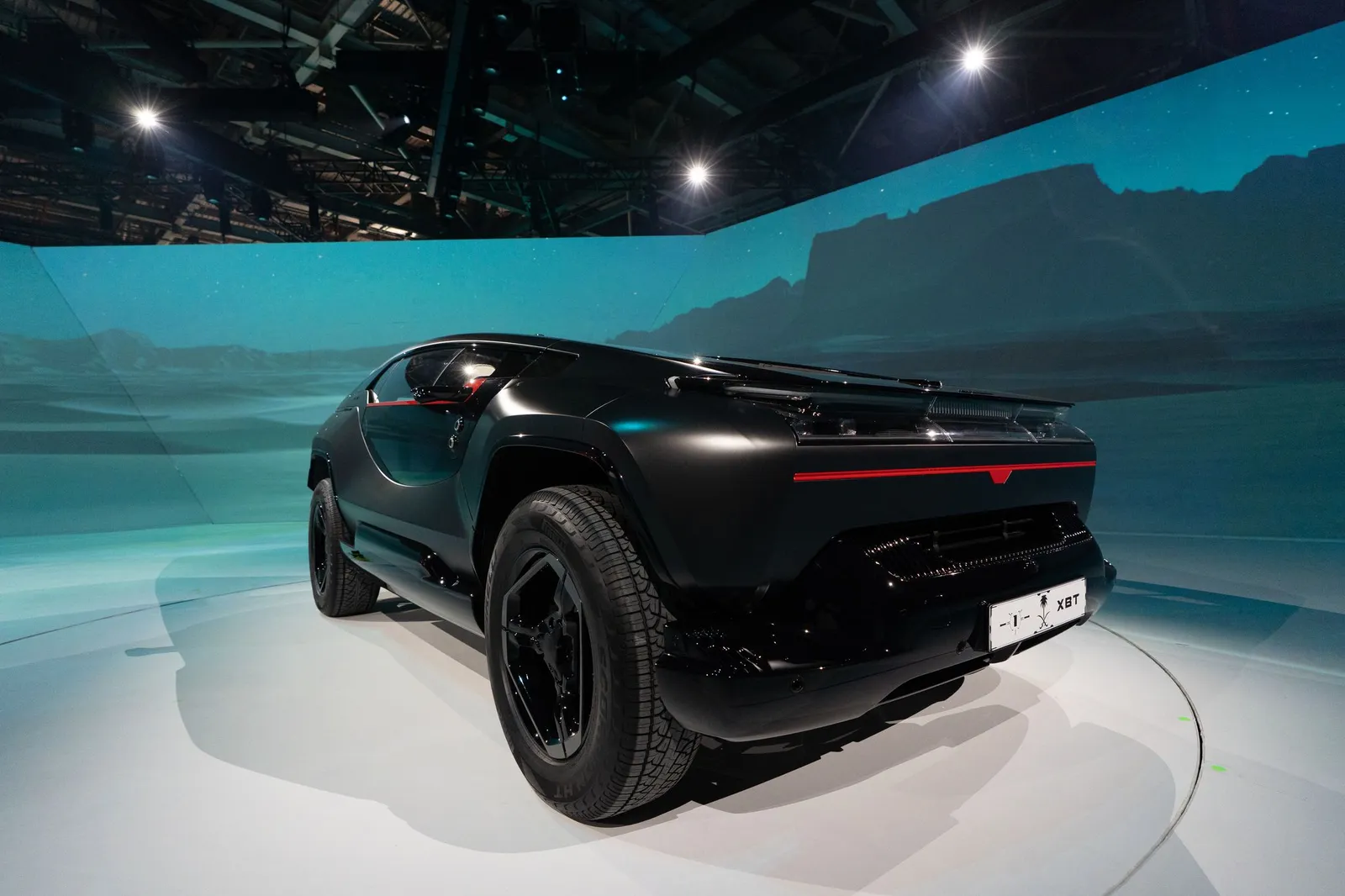
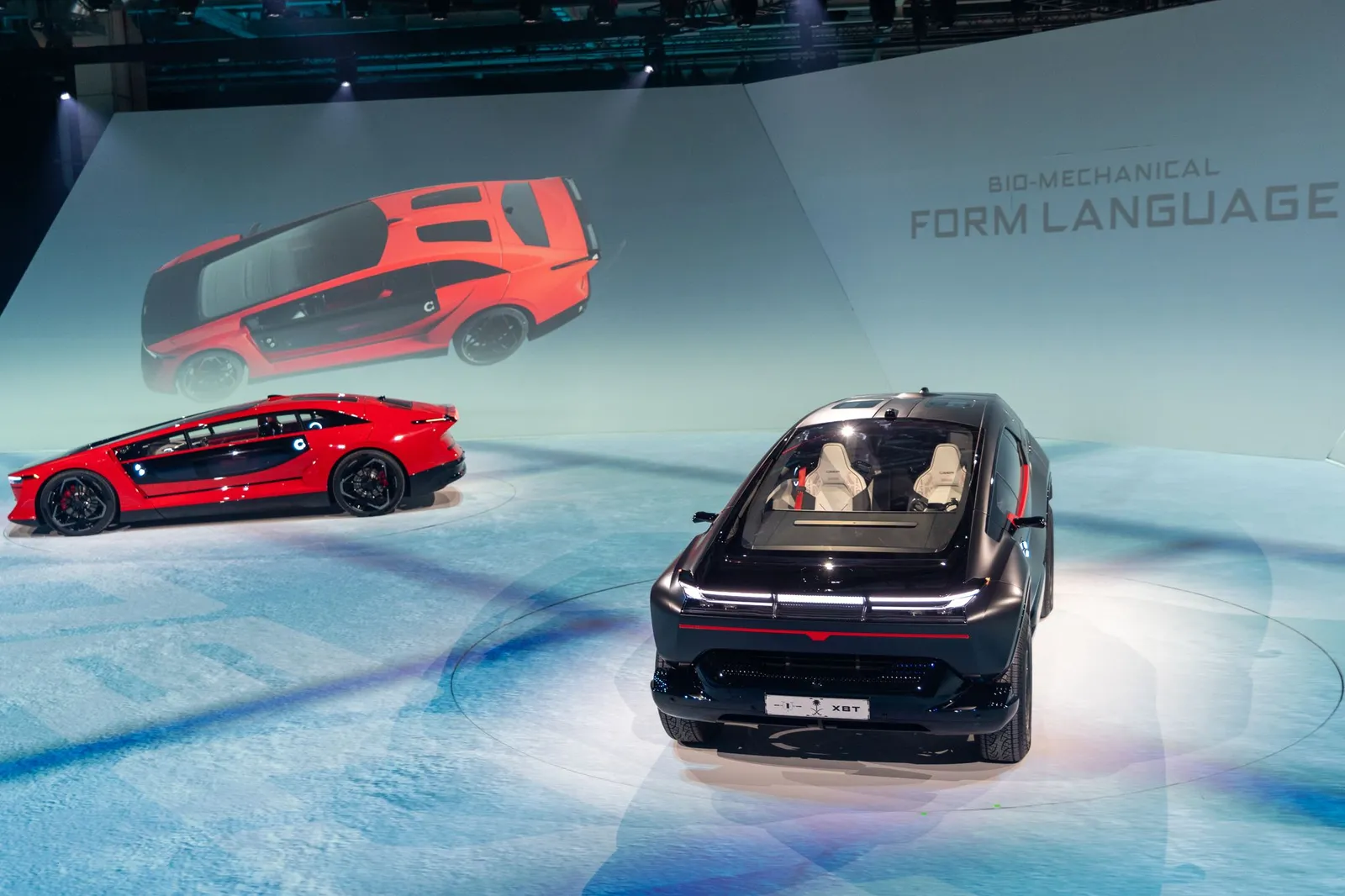
CEER has devoted considerable attention to cooling, reflecting the vehicles’ intended home market. It claims its Halo Cooling system can reduce cabin temperature from 65°C to 32°C within 10 minutes. Triple silver-coated glass, special foils and airflow over the roof are intended to limit heat entering the cabin.
The specification includes four-zone climate control, an air ioniser, ventilated front and rear seats, heated front seats and cooling for storage areas in the centre console and boot. Front seats offer 12-way powered adjustment, with memory settings for the seats and steering column.
The windscreen is another unusual feature. CEER describes the 2.4-metre-long panel as the largest ever produced, although that claim is not independently substantiated in the supplied material. Lower door glass can switch between tinted and opaque settings; the specification lists switchable tint as optional on the Plus.
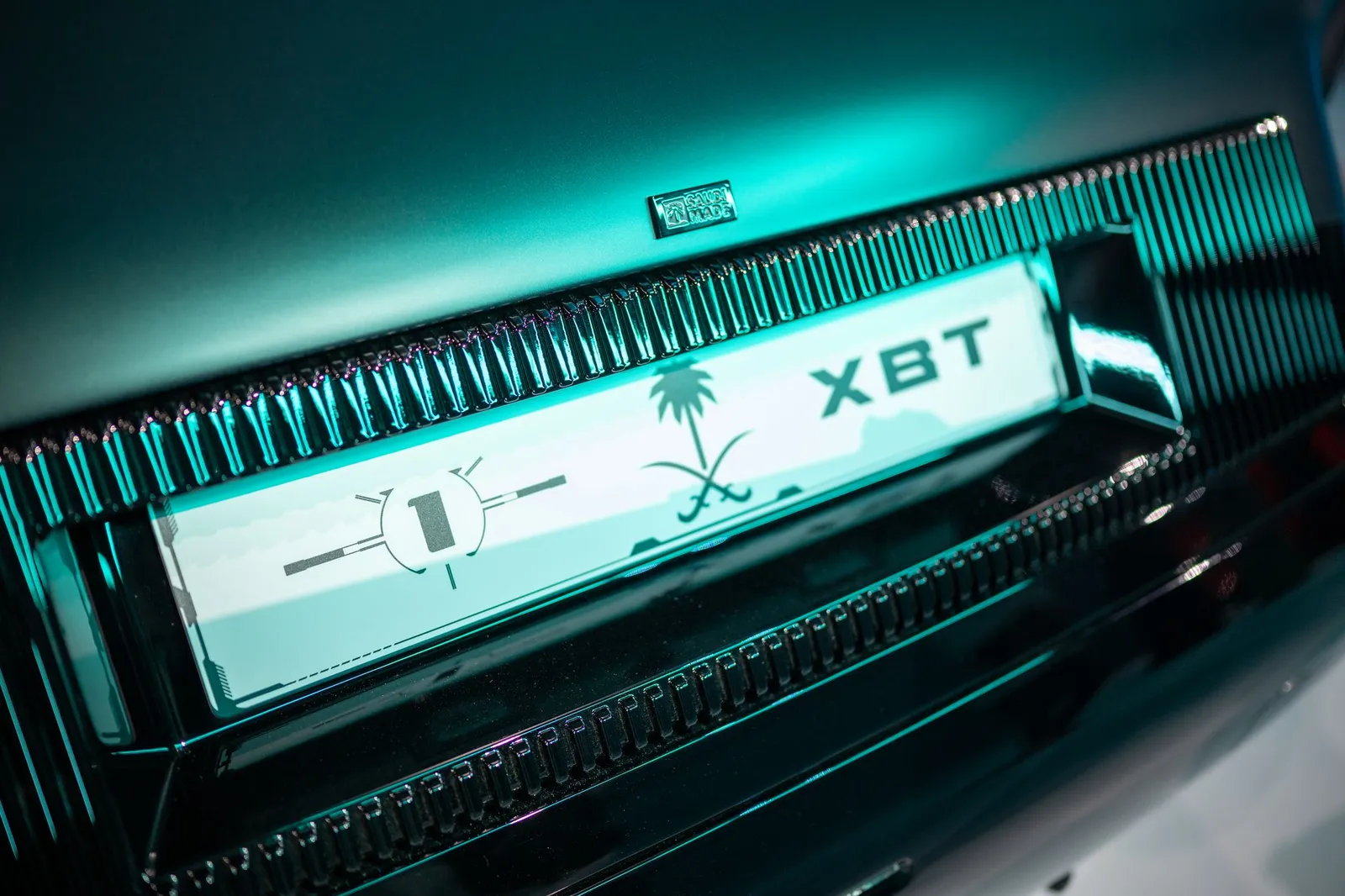
CEER says the exterior draws on Saudi architecture, including the ancient site of Hegra. Its lighting signature contains 32 bars, referencing the year 1932, when Saudi Arabia became a kingdom. The wheels use a triangular motif inspired by traditional architectural openings, giving both vehicles further visual references to their country of origin.
Inside, a curved 48-inch Digital Horizon Display with 8K resolution spans the cabin. It is accompanied by a 10.4-inch central control screen and an eight-inch rear screen. Camera-based mirrors, wireless smartphone charging and four USB-C ports are also listed.
Despite the extensive screen provision, CEER says it retains physical controls for gear selection, climate settings and audio volume. Its SoundStage Audio system uses exciters to make cabin surfaces part of the sound system, alongside dedicated audio components. A fragrance system can hold three scents.
Navigation features include live traffic information, EV route planning and dynamic range mapping. Other functions include music and video streaming, gaming, prayer-time notifications and a Qibla compass. A smartphone app provides remote vehicle controls, vehicle location and the ability to send destinations to the car.
Safety equipment includes seven airbags, autonomous emergency braking, blind-spot detection, rear cross-traffic assistance and driver monitoring. CEER also lists trapped abaya detection, alongside front and rear dashcams. Parking equipment includes 12 sensors, surround-view cameras, automatic parking and remote parking control.
Buyers will need to distinguish fitted assistance systems from promised updates. The specification marks Auto Lane Change Assist, Highway and Traffic Jam Pilot, Navigate on Pilot and Auto Memory Parking as planned for delivery by 2028, subject to an over-the-air update. Adaptive cruise control with stop-and-go operation and lane-centring assistance are listed separately.
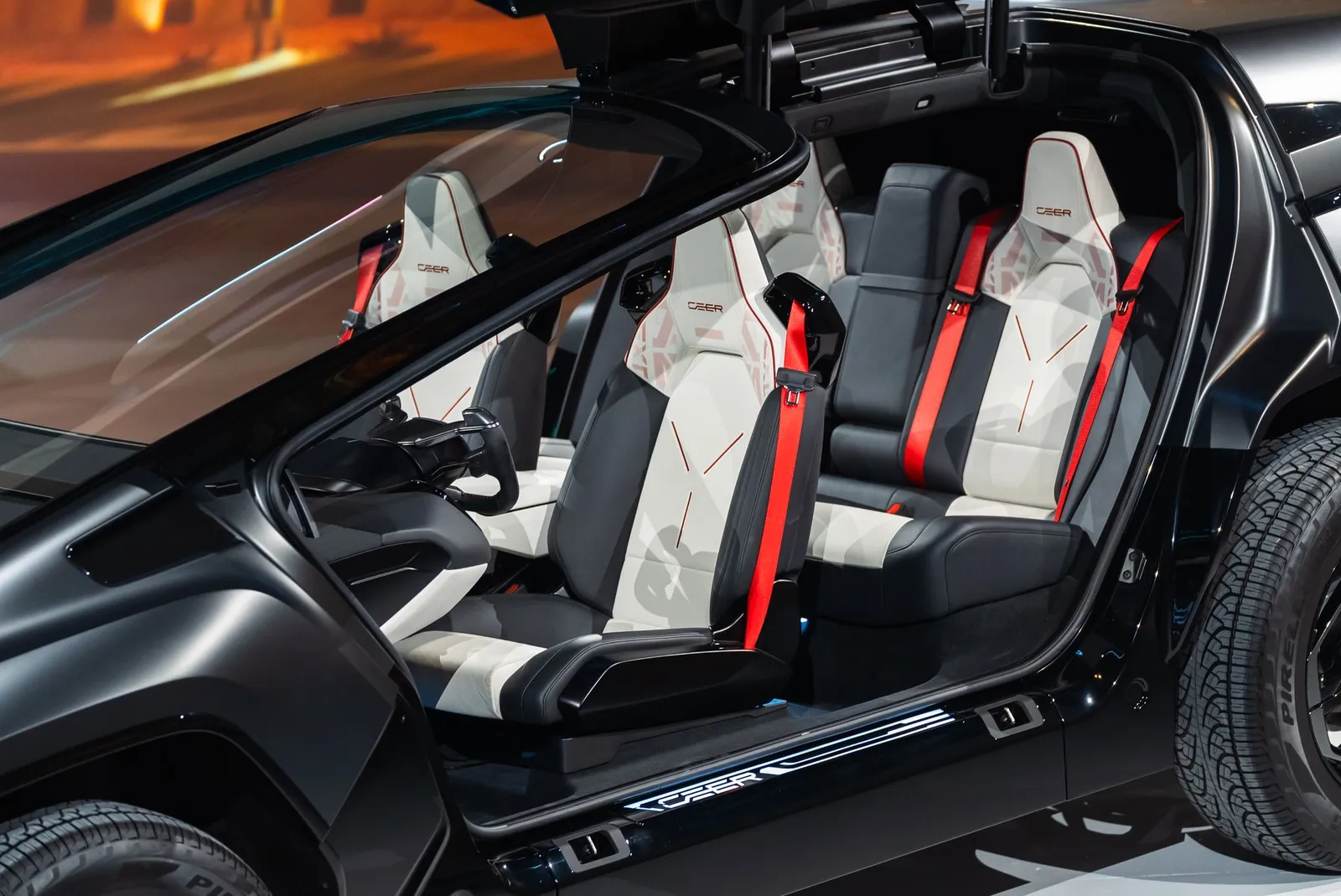
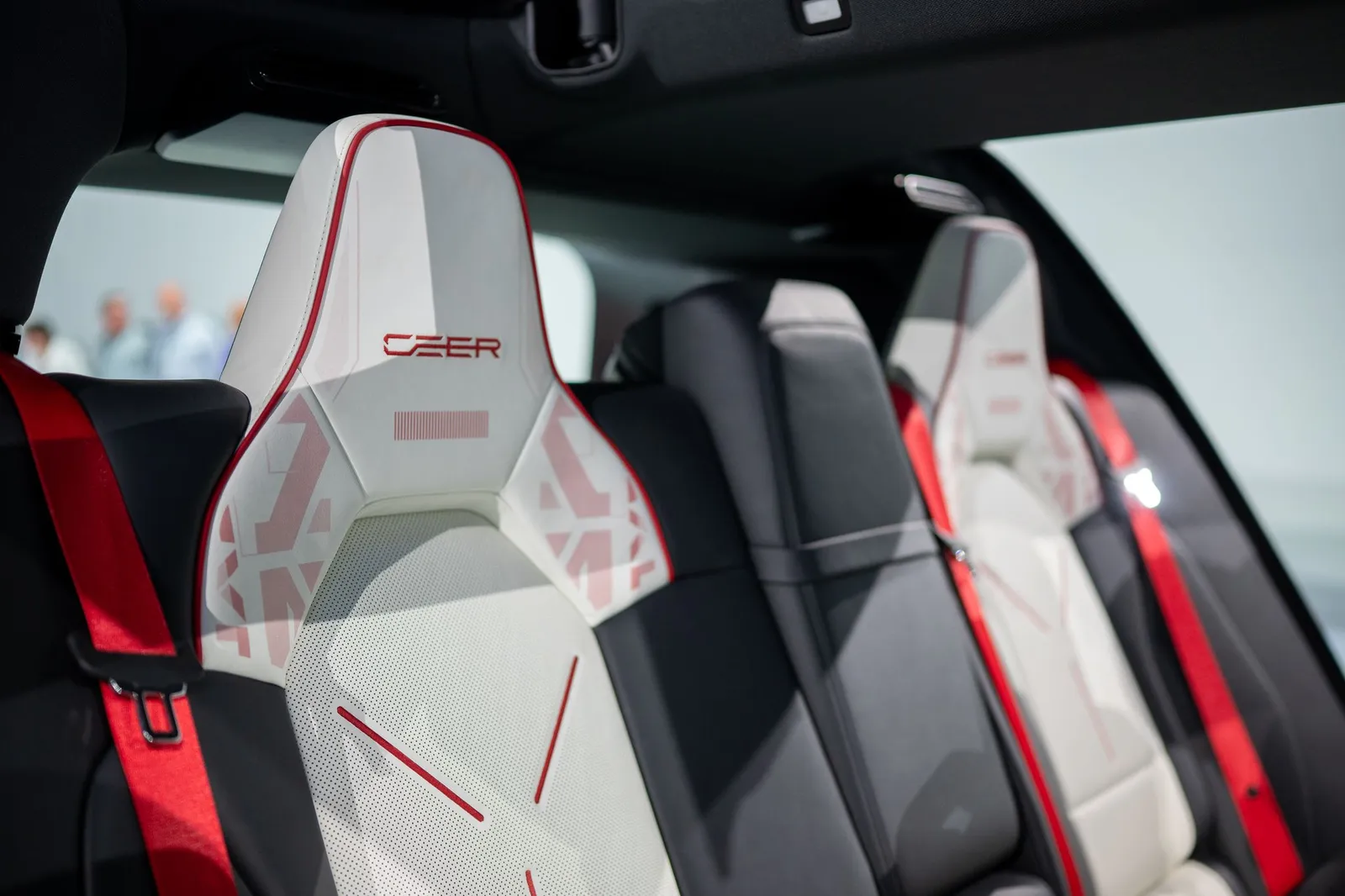
The limited First Edition will be offered in Harrat Grey or White Musk, with red brake callipers, a black exterior pack and black-and-red Nappa leather seats. Identifying details include embossed headrests, bespoke floor mats and a numbered plaque matching the vehicle’s VIN.
CEER plans local production at King Abdullah Economic City and is targeting an order-to-delivery period measured in weeks rather than months. It also aims for locally sourced materials to account for 45% of its vehicles by 2034. Map updates are included for five years from first registration, with payment required thereafter, while third-party roadside assistance is included for six years, subject to terms and conditions. The company says product features remain subject to change.