
Satisfaction, usage, charging: discover what this study reveals about electric vehicle drivers
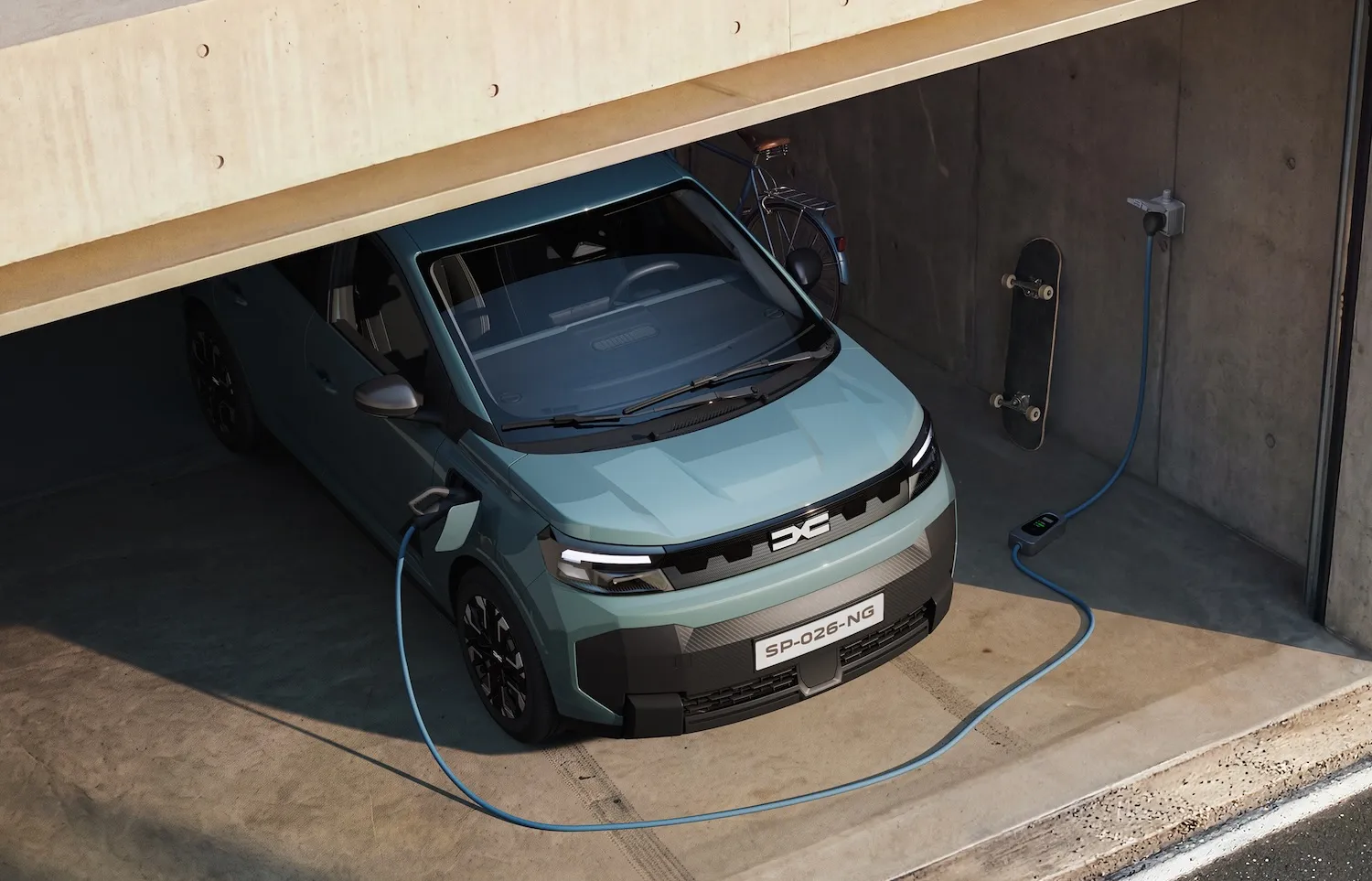
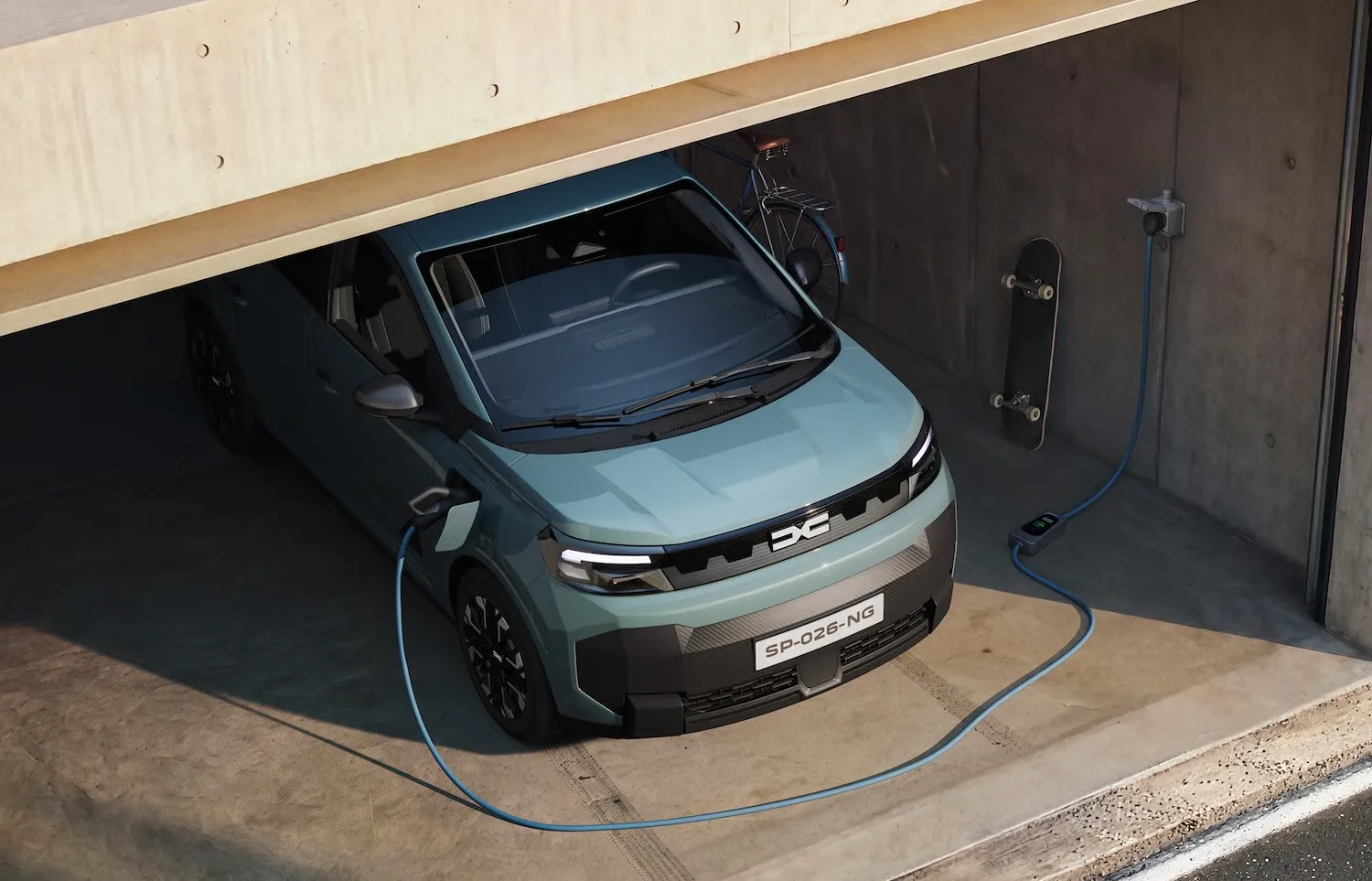
Electric vehicle drivers remain highly satisfied and continue to use their vehicles despite rising fuel prices. However, while charging habits are changing, particularly with the growing popularity of fast chargers, vehicle performance is lagging behind.
Since 2019, Enedis has published the results of a survey on drivers of electric and plug-in hybrid vehicles every autumn (1,009 motorists were surveyed, 73% of whom drove fully electric vehicles and 85% lived in single-family homes).
The 7th edition of the study confirms the high level of satisfaction with these vehicles, as 96% of respondents were satisfied (and even 97% for electric vehicles). It also shows that the average mileage driven by these owners remains stable at 15,000 km, indicating they did not need to reduce their travel due to rising fuel prices, which did not affect them. In fact, this average mileage is much higher than that of conventional vehicles (11,600 km).
Average household sizes in the sample own two vehicles. 23% have multiple electric vehicles, while 55% have a mixed fleet (electric and conventional). But when households own multiple vehicles, in 78% of cases the electric vehicle is the primary vehicle used by the household.
There is still a difference in usage patterns. 47% of electric vehicle drivers say they use them exclusively for daily trips, compared to 25% of plug-in hybrid drivers. 69% of the latter use their cars for everything, from daily commutes to vacation trips, whereas 49% of electric vehicle drivers do the same.
Among electric vehicle drivers who go on vacation in their vehicles, half are willing to travel more than 600 km, proving that electric vehicles are also used for long distances.
Stronger outlets are in demand
Regarding charging, unsurprisingly, it takes place primarily at home. This is the case for 87% of those living in single-family homes and 48% of those in apartments. There is a noticeable increase among apartment dwellers, with a rise of 10 points in one year, indicating growing adoption of charging equipment. It’s worth noting that for charging setups, the 3.7 kW enhanced outlet is gaining more popularity, with 34% of electric vehicle owners using it (compared to 29% in 2025). Meanwhile, the charging station’s usage rate dropped from 34% to 31%. Simplicity is sufficient for everyday use.
In all cases, there is a decline in charging at work and at public chargers. 12% of electric vehicle drivers charge mainly at public chargers, down from 16% in 2025. It should be noted that 29% never use public chargers (and 24% use them less than once a month). 76% simply say they don’t need them, 38% cite high costs, and 15% find it complicated.
For those who do use them, it is unsurprisingly mainly during weekend or holiday trips (62%, down from 56% in 2025). Notably, the perception of charging on highways has improved significantly: 66% of respondents consider the options suitable, up from 54% in 2025. Among areas that need improvement, price is clearly the top concern at 48% (a decrease of 3 points), followed by wait times at 26% (an increase of 1 point) and equipment reliability at 18% (no change).
Charging behavior shows no improvement
In terms of charging habits, the 2026 study reveals a trend: charging has become more consistent, regardless of the remaining battery level. This applies to 29% of EV drivers, up from 21% in 2025. This is largely due to the presence of new EV drivers. Among those who have owned an EV for less than a year, this figure rises to 32%. However, the majority of drivers (37%) still charge when the battery is between 20% and 39%. It’s worth noting that as ownership duration increases, the proportion of drivers charging at below 20% also grows — it’s just a habit!
Only 20% of electric vehicle drivers charge at home every day. For 30%, it’s once a week, and 28% charge every three to four days. The majority of home charges (57%) occur at night, between 11 p.m. and 7 a.m., a pattern that is particularly beneficial for maintaining electrical system balance. However, 22% of charges still start between 6 p.m. and 11 p.m., a period that coincides with peak consumption times and is therefore less favorable for the grid.
In fact, only 32% of electric vehicle owners say they consistently or almost consistently control their home charging, a figure that remains stable despite the savings it offers on electricity bills.
Also read
Electric vehicles: Renault partners with EDF to reduce French people’s electricity costs through V2G