
Electric cars with the lowest battery degradation: 1/ Kia, 2/ Hyundai, 3/ Kia. Lower rankings: 20/ VW, 19/ Audi, 18/ Tesla
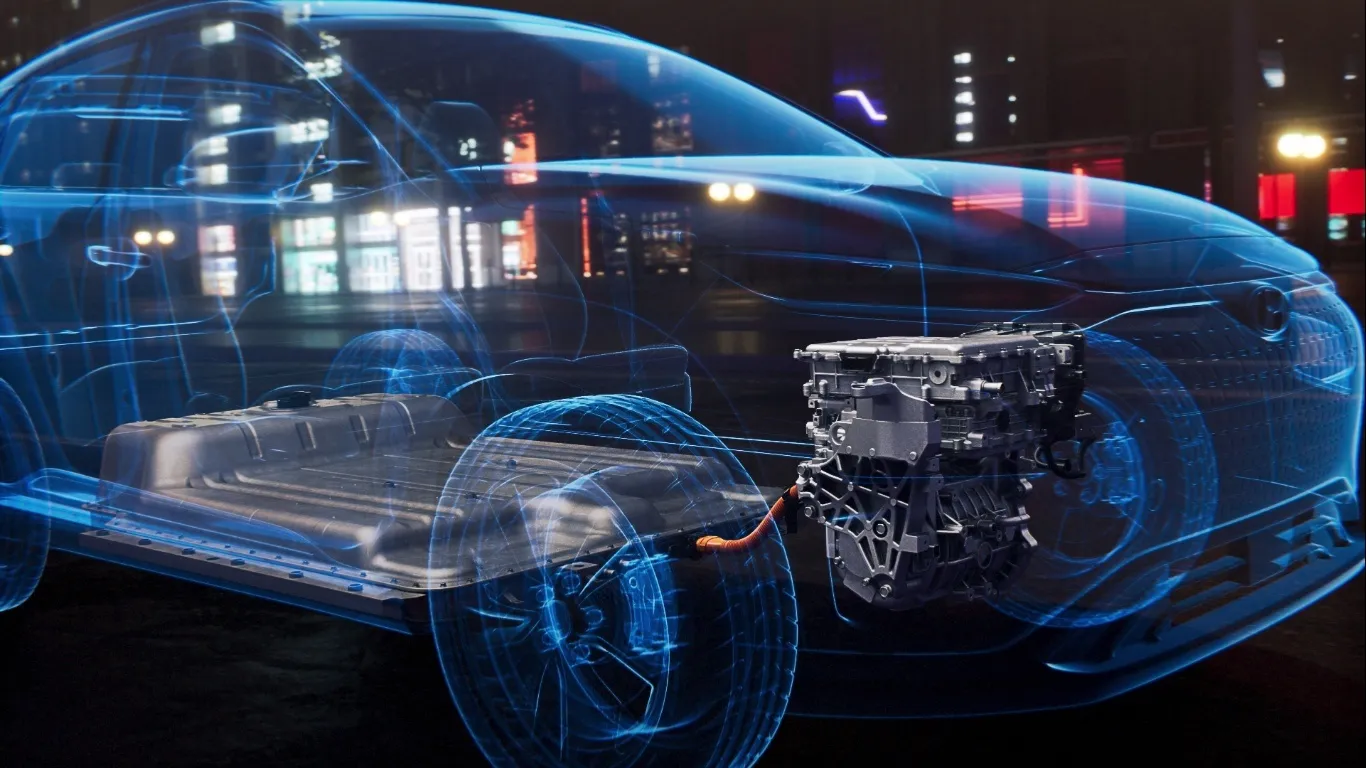
The Swedish used electric car brokerage site, Carla.se, has compiled a list of twenty electric vehicle models and their battery degradation after 100,000 kilometers of driving. The models that lost the least capacity are: 1/ Kia e-Niro, ~67 (64) kWh; 2/ Hyundai Kona Electric, ~67 (64) kWh; 3/ Kia EV6 Long Range, 77.4 (~74) kWh. Models based on the MEB platform performed worst, but even they did not drop below 91 percent of their original capacity.
Table of Contents
Electric cars with the least battery degradation
Tesla Model 3 and degradation
Let’s start with the ranking. While we provided the actual battery capacities in the introduction, below we will treat them as model designations and cite the source:
Kia Niro: 64 kWh – 97.25 percent of original capacity after 100,000 kilometers,
Hyundai Kona: 64 kWh – 97.18 percent.
Kia EV6 77.4 kWh – 95.95 percent,
Volvo XC40 Recharge 69 kWh (CATL) – 94.7 percent,
Polestar 2 78 kWh (CATL) – 94.35 percent,
BMW i3 120 Ah – 93.77 percent,
Polestar 2 78 kWh (LG Chem) – 93.53 percent,
Tesla Model 3 60.5 kWh (CATL; LFP) – 93.34 percent,
Audi e-tron 50 71 kWh (Samsung SDI) – 93.02 percent,
Audi e-tron 55 95 kWh (Samsung SDI) – 92.93 percent,
Skoda Enyaq iV 77 kWh (LG Chem; ID. Software 3.x) – 92.88 percent,
Tesla Model 3 78.8 kWh (LG Chem) – 92.83 percent,
Tesla Model S (?) – 92.8 percent,
VW ID.4 77 kWh – 92.77 percent,
Skoda Enyaq iV 80 77 kWh – 92.6 percent,
Tesla Model X – 92.52 percent,
VW ID.4 77 kWh (ID. Software 3.x) – 92.27 percent,
Tesla Model Y 78.8 kWh (LG Chem) – 92.18 percent,
Audi Q4 e-tron 77 kWh – 92.18 percent,
VW ID.3 58 kWh – 91.79 percent.
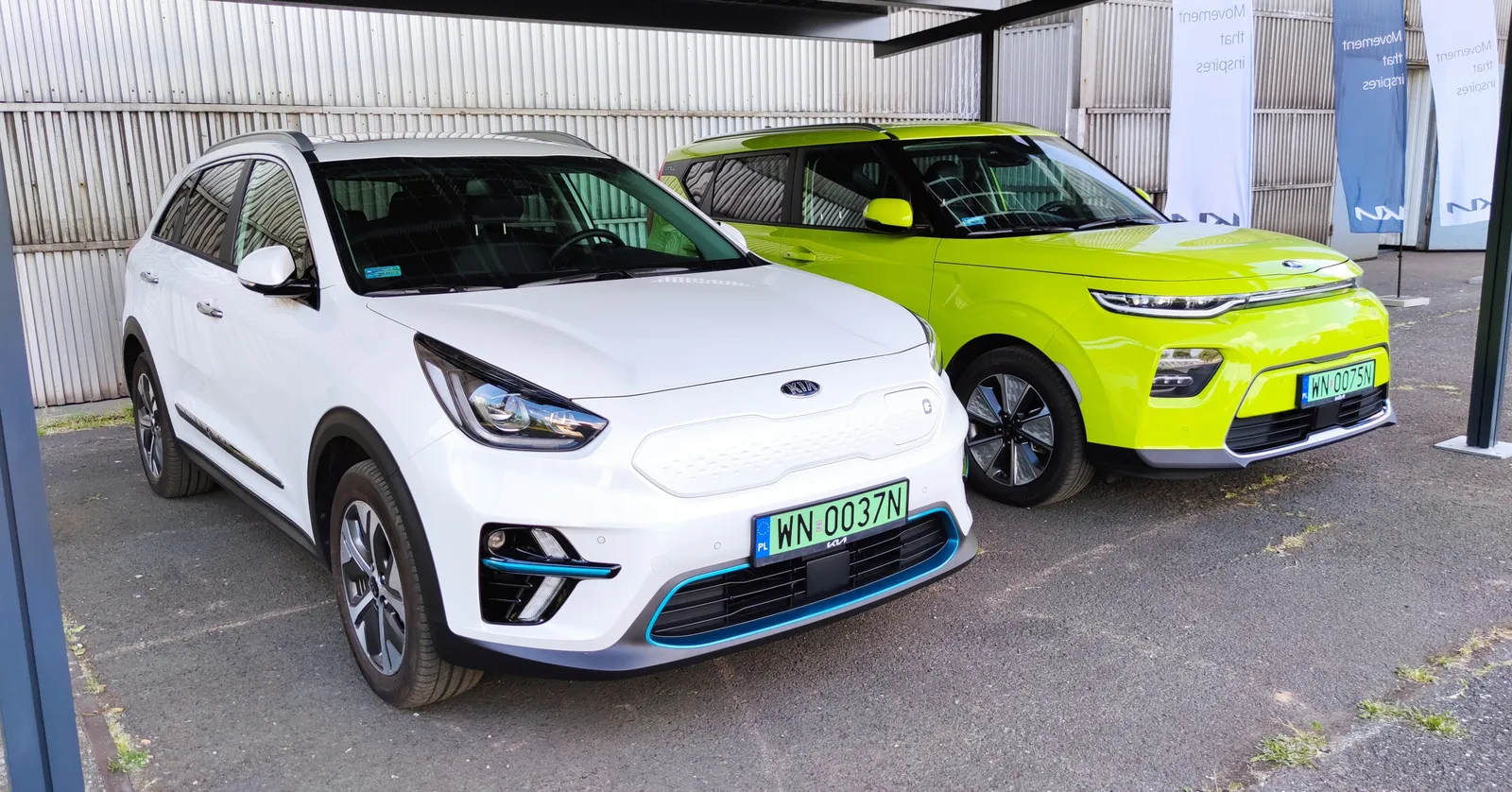
Kia e-Niro and Kia e-Soul
The list includes 9,954 Aviloo tests conducted between 2022 and 2026, covering a fairly long period that in some cases likely goes back to the early stages of production for each model. Carla emphasizes that the best electric vehicles retain 95-97 percent of their original battery capacity after 100,000 kilometers. There are three such models on the list, and it is well known that for the first two, the manufacturers used a significant buffer to hide battery degradation. This isn’t necessarily a bad thing; in fact, buyers of the Kia e-Niro and Hyundai Kona Electric received a few extra percent of battery capacity “for free” when purchasing their cars.
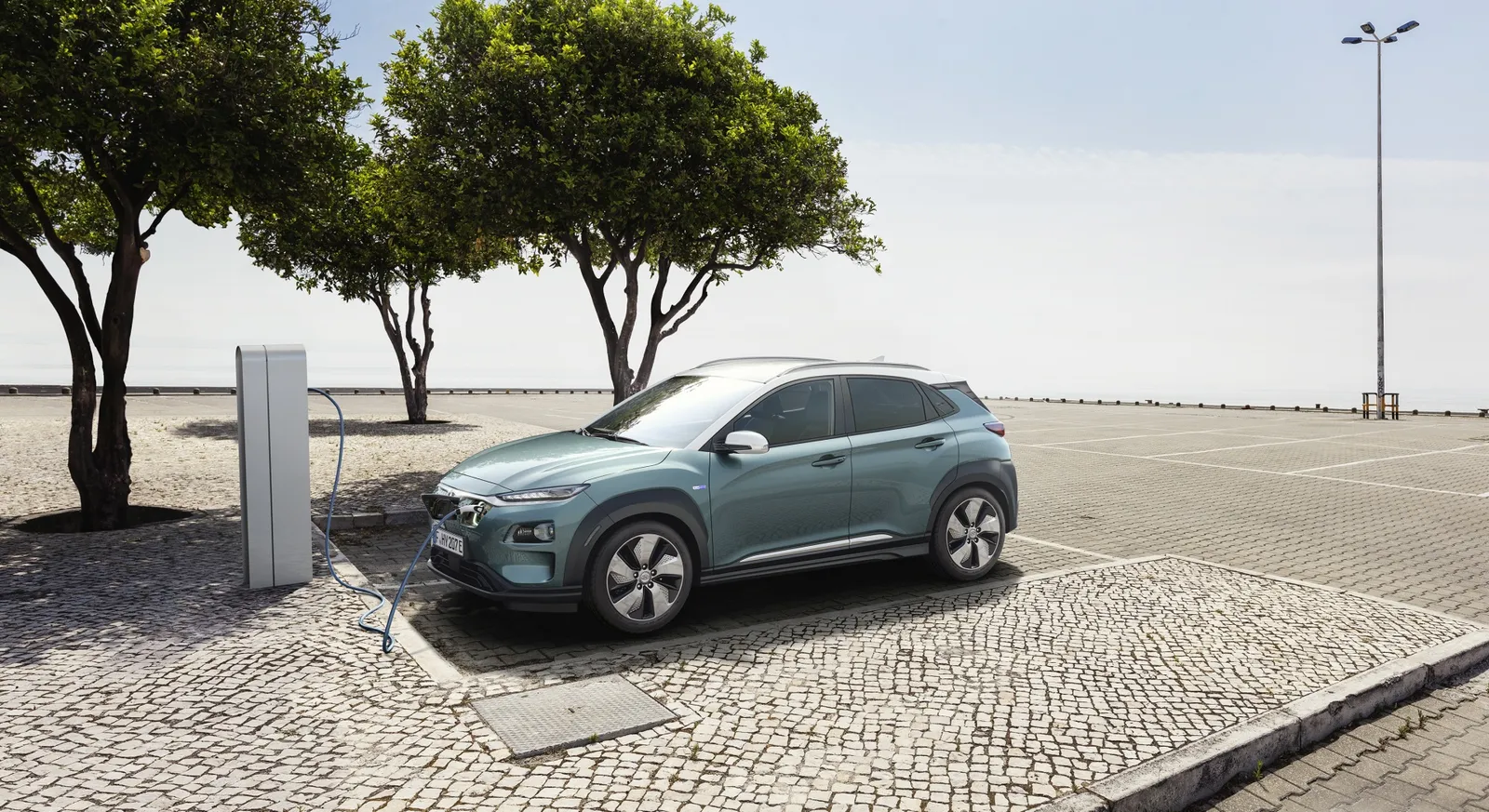
Hyundai Kona Electric
These extra 2-3 kWh masked the first, most severe drop in capacity, caused by natural physicochemical processes occurring in the new Li-ion cells. After three years of use, the owner was surprised to find that his battery still held over 64 kWh of energy, with range remaining essentially the same or changing only slightly.
Tesla Model 3 and degradation
Incidentally, Carla’s portal also shared data on the battery degradation of Tesla Model 3 depending on the cells used. At a mileage of 100,000 kilometers, CATL LFP cells perform best, maintaining 93.3% of their original capacity, and they are installed in smaller packs, meaning they undergo more cycles. LG Chem cells perform slightly worse at 91.5%, especially since they have been used less. Panasonic cells in 77.8 kWh batteries fare even worse at 89.8% — these have only been available in Model S and X models in Europe for a few years — while the highest degradation was observed in Panasonic cells in small, frequently charged 52.4 kWh batteries at 88.2%.
Editor’s note from Elektrowozu: Upon reflection, a 9 percent loss in capacity after 100,000 kilometers of driving isn’t something dramatic. This is equivalent to almost 8 years of typical use, meaning it’s the second or third owner learning the car as if it were new. Thus, they accept the degradation as a benefit since it allowed them to buy the car cheaper. Calendar-wise, there are fewer years, so the electric vehicle still has a warranty on its battery pack
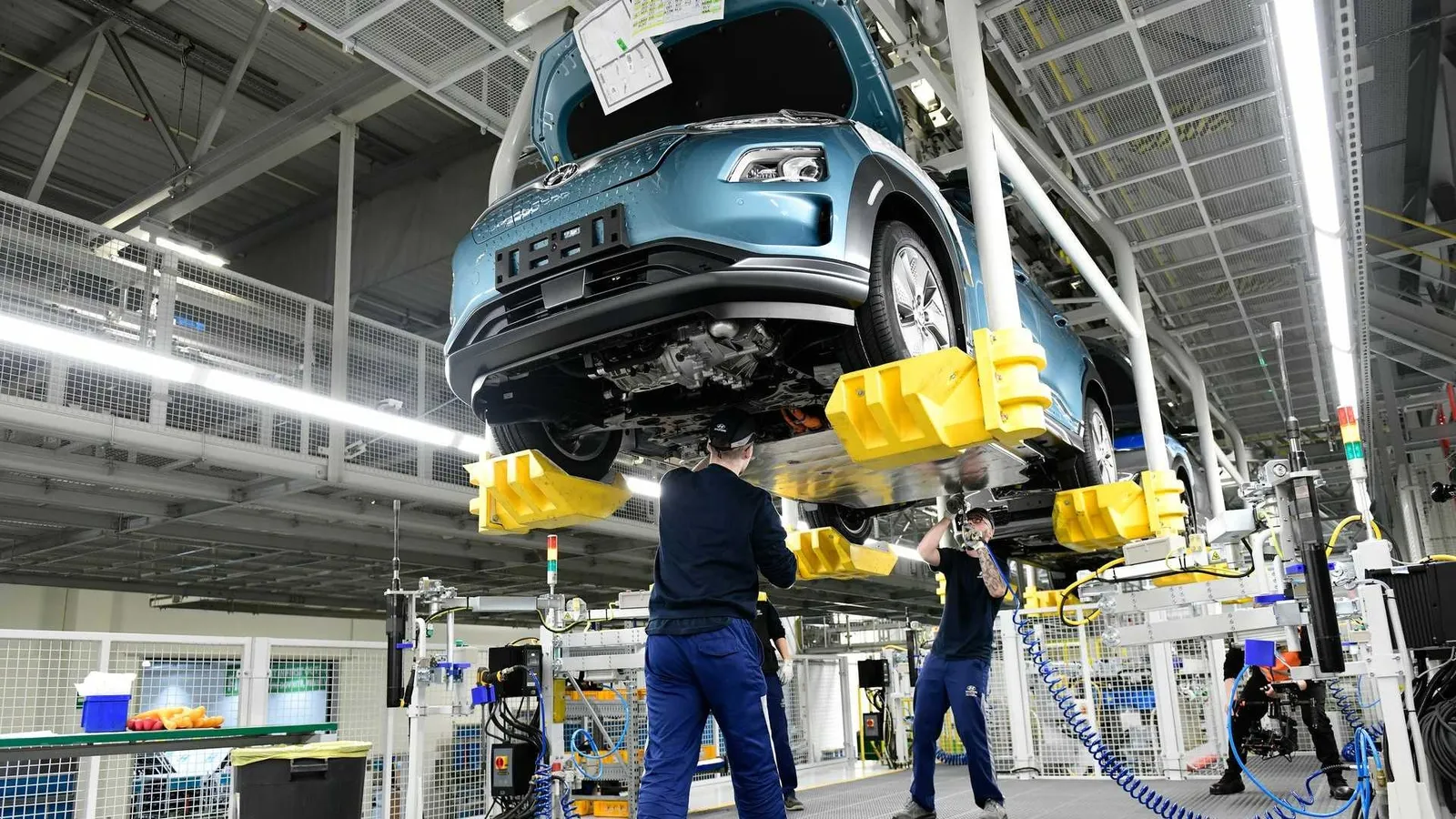
Chassis of the first-generation Hyundai Kona Electric (c) Hyundai
Article rating
Readers’ rating
[Total: 10 votes Average: 4.4]
Don’t miss new content—CLICK and FOLLOW Elektrowoz.pl on Google News. You might also be interested in the following ads: