
The car is just the beginning. Are Polish companies ready for true mass electrification?

Over half of Polish companies want to increase the number of electric vehicles, but at the same time, the vast majority face cost, infrastructure, and operational barriers. Therefore, ahead of the 2026 Congress on New Mobility, it is worth shifting the debate from “how many BEVs?” to “what system will enable them to operate efficiently?”. A DKV Mobility study shows that the next phase of fleet transformation will take place not only in car dealerships but also at charging stations and through tools for monitoring energy usage and costs.
Sponsored content –
The ambition is there; what’s needed now is the ability to act on it.
In Europe, 56% of companies plan to increase the number of fully electric vehicles within two years. In Poland, 52% of respondents have such a plan, while 15% expect a decrease in the number of BEVs. At the same time, fully electric vehicles currently account for 7% of Polish fleets surveyed. Gasoline-powered vehicles dominate with a share of 44%, while diesel accounts for 32%.
These figures show significant room for growth but also the scale of necessary process restructuring. Every new BEV introduces dependencies in fleet management related to routes, parking, availability of charging points, and energy costs. Therefore, success is not determined solely by purchasing more vehicles. Operational capacity will require simultaneous preparation of infrastructure, billing systems, data management, and user support.
– The market has entered a phase where the number of ordered vehicles is no longer a sufficient measure of maturity. True electrification begins with analyzing how the vehicle is used and what charging options are available. Next, purchasing decisions must be aligned with energy sources, infrastructure, and cost control. If any of these elements are overlooked, operational risks quickly become apparent. Companies today need a mobility architecture, not just a collection of separate products. Such an architecture can include a platform, public networks, home charging, and a unified billing system. Only then does an increase in BEVs lead to a lasting change in fleet models – says Anna Biekionis, Country Manager at DKV Mobility.
The Polish paradox: strong intentions, even stronger barriers
The results for Poland do not indicate a lack of readiness to change, but rather exceptionally high expectations regarding its conditions. As many as 81% of the surveyed companies cite a limited range of vehicles with alternative drives as a barrier, compared to an average of 71% across Europe. 80% of Polish respondents point to excessively high purchase prices, compared to 73% in the overall sample. Insufficiently developed public infrastructure poses a challenge for 79% of companies in Poland, compared to 69% in Europe. High energy costs concern 75% of Polish respondents, while maintenance and service costs worry 76% of them. Additionally, 76% report difficulties in assessing the regulatory environment, compared to an average of 66%.
Barriers accumulate throughout the entire decision-making chain, from model selection to financing and energy, and finally to operation. This means parallel actions are needed in the market, as improving just one parameter may not be sufficient to initiate investment.
"Poland’s fleet transformation doesn’t require a single miraculous boost, but rather a set of predictable conditions. The survey results clearly show that companies see risks at several stages simultaneously. Therefore, vehicle purchase support should go hand in hand with infrastructure development and clear market rules. It is also important to have models suitable for different applications, especially where the car serves as a tool for work. Companies make decisions for the entire duration of use, not just on the day they receive the vehicle. The greater the transparency regarding costs and regulations, the easier it is to plan changes on a larger scale than just a pilot project. Stability in the environment is just as important in electromobility as the pace of technological development," emphasizes Anna Biekionis.
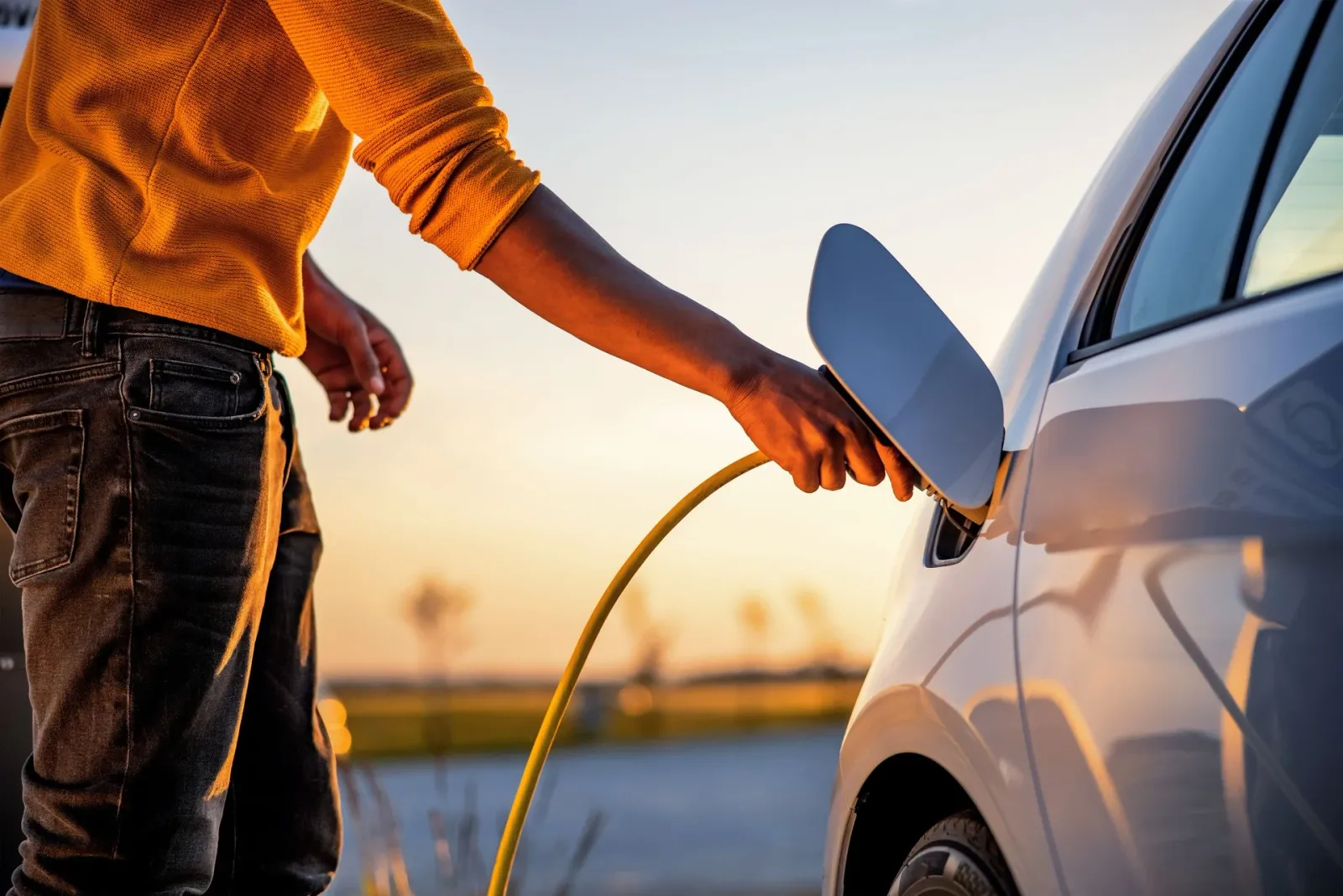
Charging Moving from Parking to Fleet Management Centers
Among European companies using BEV or PHEV, 89% have their own charging infrastructure. In Poland, this figure is 88%, confirming that companies active in electric mobility typically build facilities on their own premises. 68% of Polish users have corporate fast charging stations, and 27% have wall chargers; multiple answers were allowed in the survey. 67% of Polish companies plan to purchase additional infrastructure within two years, compared to 70% across the entire sample.
The most common location for charging fleet vehicles is the company’s base or premises, as indicated by 47% of respondents in Poland and Europe. However, Poland shows a higher utilization of public charging, at 37%, compared to the European average of 31%. At home, 13% of Polish fleet vehicles are charged, compared to 19% in the overall sample. Thus, the charging pattern is dispersed, and managing it requires integrating multiple locations, tariffs, and billing methods.
– Charging cannot be treated as a technical add-on to a vehicle, as it becomes part of the core operational process. Data shows that owning one’s own infrastructure is already a standard among companies using electric vehicles. At the same time, Polish fleets relatively often rely on public charging networks, which increases the importance of their availability and interoperability. Managers should know not only where the vehicle can charge but also how much energy it consumed and to which cost center it should be assigned. On a larger scale, manually compiling this information becomes inefficient. Tools are needed to integrate various charging scenarios into a single management overview. It is this invisible layer of data that will determine whether electrification can be scaled up.” – notes Anna Biekionis.
Digitalization is an infrastructure as important as chargers
The transformation of powertrains increases the amount of information that needs to be managed in daily operations. In the survey, 68% of companies cite full cost control and transparency as challenges, while 67% mention investing in appropriate digital tools. 67% find managing electric vehicles and charging options to be difficult. In Poland, these figures are 71%, 68%, and 60% respectively. Meanwhile, 63% of respondents in Europe and Poland perceive insufficient efforts in digitization and automation. Too many different systems and software products pose a problem for 62% of respondents in both regions.
The market therefore needs not only more charging points but also greater data consistency. Without it, it is difficult to compare costs, identify inefficient practices, and optimize charging. A digital management layer becomes a prerequisite for moving from a few pilot vehicles to a large electric fleet.
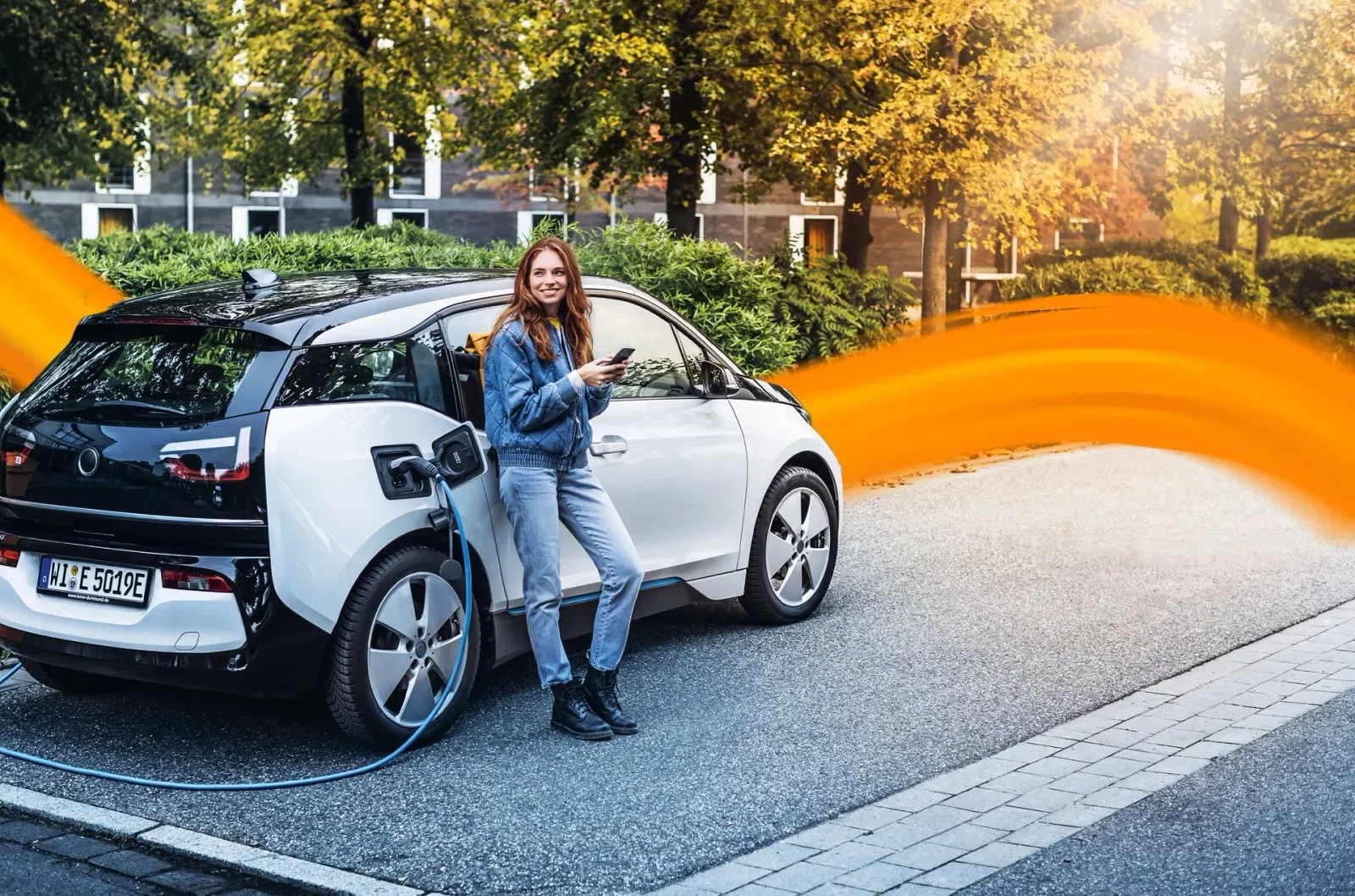
From demonstration to integration
The 2026 Congress on New Mobility will take place from September 23 to 25 at the International Convention Center in Katowice. Its agenda combines mobility and transportation with energy, infrastructure, investment, climate policy, and economic resilience. This structure aligns well with the actual nature of fleet electrification shown in the study.
Decisions regarding vehicles cannot be separated from the energy market, charging networks, regulations, and digitalization. The next stage of development will require cooperation among manufacturers, infrastructure operators, mobility service providers, the financial sector, and government agencies. The role of the market is to reduce the number of uncertainties that fleet managers face today. Companies, on the other hand, need to shift from individual purchases to designing entire usage models. If these two processes converge at the right time, the plans outlined by businesses can lead to sustainable growth in electromobility.