
SAIC and GM extend Chinese joint venture to 2047
Chinese carmaker SAIC Motor and US automotive group General Motors have extended the term of their Chinese joint venture, SAIC-GM, by 20 years to 2047. As part of the renewed agreement, the partners plan to introduce new electric models in China while expanding exports to international markets.
The contract extension builds on a partnership that began in June 1997. Following a comprehensive restructuring—which included a $6 billion write-down by GM in January 2026 and several years of declining sales—the joint venture is intended to return to a more stable footing. The partners plan to strengthen cooperation by pooling resources across research and development, supply chains and international markets.
The joint venture’s future strategy centres on electrification and greater integration of local capabilities. It already relies on the Pan Asia Technical Automotive Centre (PATAC) in Shanghai for vehicle development in China and introduced its Xiao Yao Super Hybrid and Electric Architecture in 2025. By 2030, SAIC-GM plans to launch at least 30 new New Energy Vehicles (NEVs) across the Buick and Cadillac brands. In China, the term NEV covers battery-electric vehicles, plug-in hybrids and range-extended electric vehicles.
In addition to serving the Chinese market, SAIC-GM is repositioning its Chinese operations as an export hub. The joint venture plans to supply vehicles to the Middle East, South America, Mexico, as well as markets in Africa and Asia. Exports to the United States are not planned, however, partly due to the US ban on imports of connected vehicles from China.
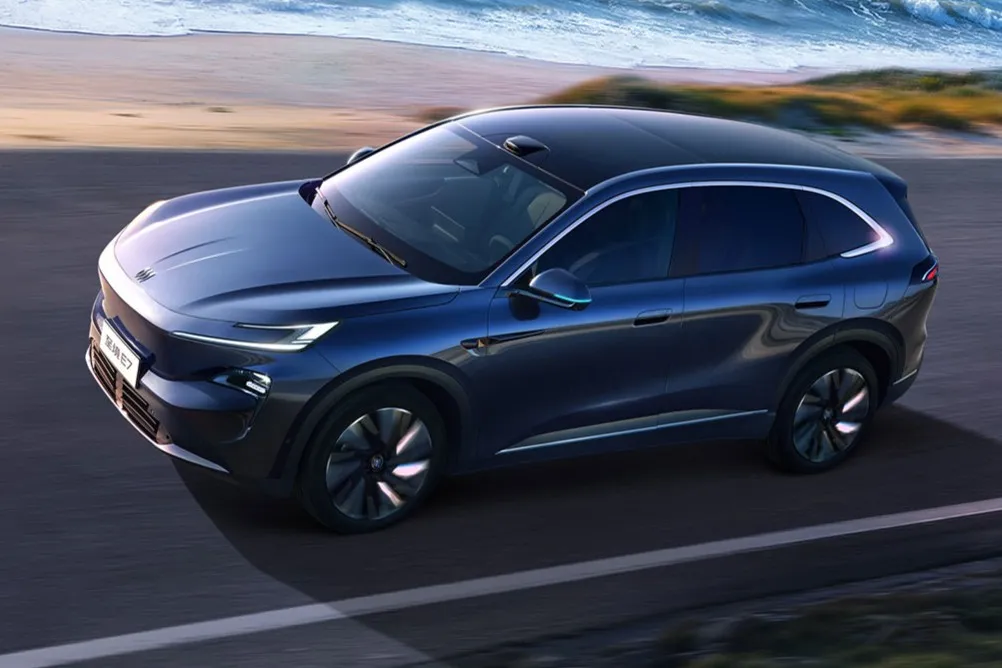
The first premium NEV model earmarked for export is the Buick Electra E7. Exports of the luxury SUV are scheduled to begin in October this year. The plug-in hybrid model offers a combined range of more than 1,600 kilometres. Buick introduced the Electra sub-brand in the Chinese market last year.
SAIC-GM sold 34,773 vehicles in July 2026, down 17.7 per cent compared with the same month last year. Over the first seven months of the year, sales declined by 7.45 per cent to 265,927 units. These figures do not include SAIC-GM-Wuling, the partners’ second Chinese joint venture, which sold around 789,000 vehicles between January and July 2026. Combined, the two joint ventures helped General Motors sell 1.9 million vehicles in China last year, although that total represents a 51 per cent decline compared with 2016.
SAIC also operates a long-standing joint venture with Volkswagen that has been in place for more than 40 years. In Europe, the Chinese carmaker is best known for its MG Motor passenger car brand and Maxus commercial vehicles, both of which have been exported to the region for many years.