
Sabotage against BYD? They’re blocking a charger with chains and the networks point to competitors.
BYD is discovering that deploying a fast-charging network requires more than just installing equipment and connecting it to the power grid. It is also necessary to maintain sufficient charging stations and prevent misuse from leaving drivers without access. While in Europe we suffer from cable theft to steal a few euros worth of copper, the situation in China is different, with issues that even suggest sabotage by competitors.
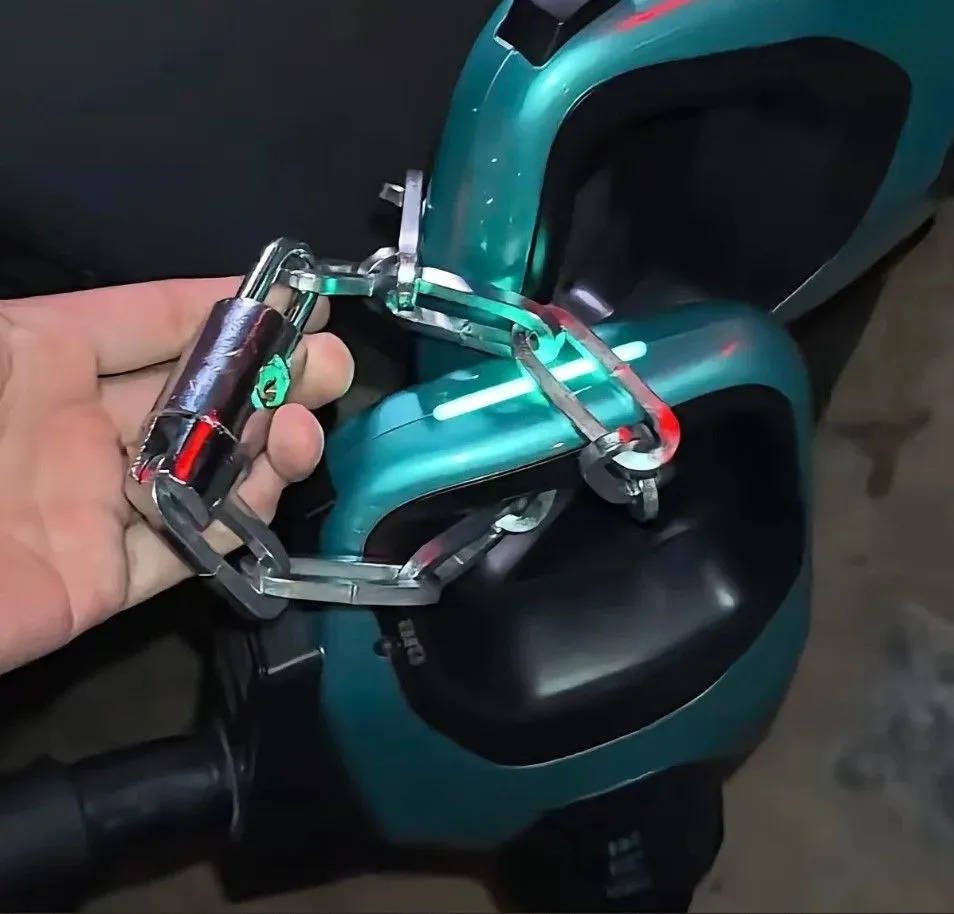
In the latest images posted on Chinese social media, we see a Flash Charging adapter with its two connectors joined together by a metal chain. This situation prevents them from being used properly and has sparked various theories about who is behind it. Meanwhile, BYD has announced it will strengthen the management of its charging stations to combat unauthorized occupation of spots and other uses other than charging.
The photographs show how the chain keeps the two hoses together. When trying to bring one of the connectors close to the charging port, the other could hit the car, and the chain itself also poses a risk to the vehicle’s body. It’s a simple yet effective way to render the station unusable.
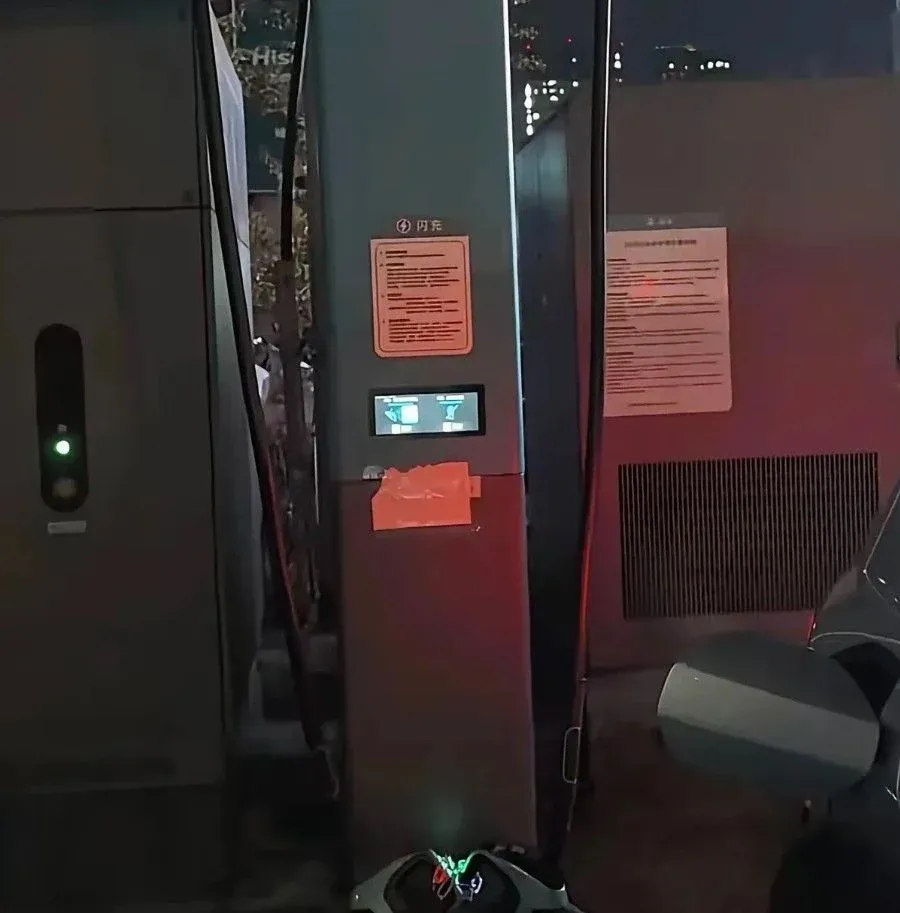
There are also no clear signs that the charger was shut down due to a malfunction. Both connectors show a green light, the screen appears to be working, and the area is not cordoned off. This doesn’t guarantee that everything was in perfect condition, but the images don’t show an obvious explanation for the shutdown.
No responsible parties identified and much noise on social media
At the time of publication, BYD had not provided an explanation for this specific incident, and no one had claimed responsibility. Some Chinese users have pointed to rival manufacturers, but there is no evidence to support those accusations. It is also unknown who placed the chain or with what intention, so claiming it was an organized act of sabotage would be premature.
Chinese social media users speculate that a small charging operator concerned about BYD’s expansion might be behind it. This is merely a hypothesis from users, not a proven conclusion. While commercial competition can explain the context behind such suspicions, it does not determine responsibility.
A large portion of China’s charging infrastructure operates through franchises. The local operator provides the land and electricity supply, while the company managing the network supplies the chargers and digital services. According to published information, profit margins for fast charging are very slim, which has led some operators to seek additional income through advertising in their apps or one-time session insurance.
The arrival of BYD adds pressure to that market, although using one of its chargers doesn’t mean any car will charge faster. Speed still depends on what each model can handle. An older car or one without the necessary technology cannot utilize the full capacity of the equipment, though its owner might still be attracted by its ease of use or the chance to try out the new network.
Besides charging infrastructure issues, BYD faces other everyday problems to address. Earlier this month, there were images of children using the hanging hoses from its chargers as swings. These are different situations, but both highlight the need to maintain facilities that must be available and in good condition whenever a driver arrives.
In a Q&A post on WeChat, the brand has pledged to improve management and prevent gasoline cars or non-charging vehicles from occupying charging spots. For those who need to charge, finding a space that’s already taken can end up having the same result as encountering a broken charger: wasting time looking for an alternative.
But why are they attacking BYD charging stations and not those of other networks? So far, we have no evidence that other operators’ networks have experienced similar issues. One explanation from users in China is economic factors. BYD has introduced a highly competitive pricing plan in its market, allowing drivers of any brand to charge at these ultra-fast stations for just 1 to 1.5 yuan per kWh (0.13 to 0.20 euros per kWh). This is a very competitive cost even for the Chinese market, especially at locations with power capacities exceeding 1,000 kW.