
The UK government is launching consultations regarding EV targets. It wants to relax the standards despite rising sales.
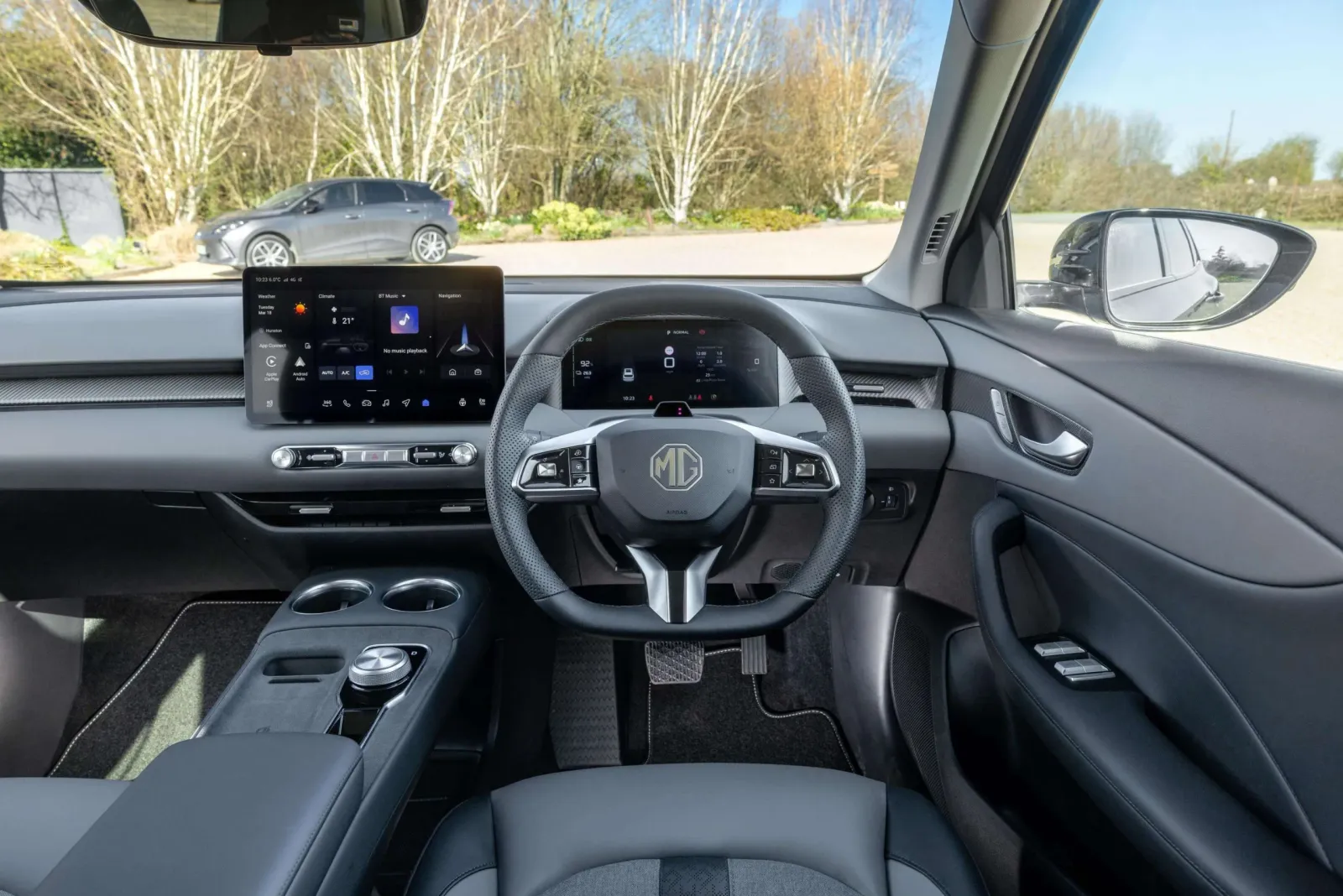
The British government launched consultations on electric vehicle sales targets on August 14, 2026. The problem is that this comes at a time when EV sales are already meeting government requirements, while gasoline in the UK costs an average of 1.62 pounds per liter amid record heat and wildfires.
For drivers and manufacturers, this is not a minor adjustment. The choice is simple: whether the UK will stick to the electric vehicle path or make things easier for the industry at the expense of emissions.
EV sales are growing faster than the 2026 target requires
The UK’s current plan calls for 80 percent of new cars to be EVs by 2030, with a complete ban on selling new gasoline vehicles starting in 2035. This year’s partial target is 33 percent EV sales share, although manufacturers can lower the actual figure through a bonus credit system.
By the end of 2025, the market was in better shape than the schedule had anticipated. Electric vehicle sales were already at a level sufficient to meet the 2026 target. The start of this year was weaker, but the last two months have seen a recovery.
In July 2026, BEV sales rose by 44.5% year on year. Since the beginning of the year, plug-in vehicles, including both BEVs and PHEVs, account for nearly 40% of the new car market. In short, the plan does not seem unrealistic.
There is also the issue of fuel prices. After five months of war in Iran, oil prices have risen and remain high. In the UK, gasoline costs an average of 1.62 GBP per liter, while diesel has reached 1.92 GBP per liter and is approaching that record again. Under such circumstances, electric vehicles are no longer just an eco-friendly choice—they become a shield against high fuel bills at the pump.
The government is considering lowering the targets to 50-70% EVs by 2030
Despite this, Prime Minister Andy Burnham’s government has launched consultations that could result in the target being diluted from 80 percent to 50-70 percent for EVs by 2030. The package also includes a push for greater openness to new oil and gas drilling in the North Sea. Frankly, this seems like a move contrary to market signals.
Politically, things are equally interesting. Previous versions of the regulations have been tightened and relaxed alike by both major parties. The paradox is that some of the most significant tightening measures came under Boris Johnson. Now, the Labour government is considering reversing that course.
With the change in prime minister from Keir Starmer to Burnham, there were also reshuffles within ministries. Ed Miliband, associated with net zero policies and support for EV targets, was moved from the environment department to foreign affairs. His position was taken by Miatta Fahnbulleh, who indicated a willingness to review the rules.
On August 14, Burnham announced consultations while visiting the aftermath of fires in the West Midlands, where the flames destroyed 19 homes. He said at the time, “Britain is a tinderbox right now. Setting a fire in any outdoor setting is a risk to people’s homes and other people’s lives,” and “This is what climate change looks like, here and now.” Strong words. However, environmental organizations immediately pointed out the inconsistency: lowering EV targets and being more open to oil extraction would work exactly in the opposite direction.
The context also does not help policymakers focused on emissions. Britain is experiencing its hottest summer on record, with a fifth wave of heat approaching, and drought has hit three-quarters of England. Transport is the largest source of emissions in the country, and a recent government report on food security warns that without action, Britain “has no future.”
On paper, consultations sound technical. In practice, it’s a test to see whether the government wants to listen to the market and its own data or prioritize the interests of manufacturers. What do you think—will this be just superficial, or will the UK really reverse its goal of 80% EVs by 2030?
LovEV Newsletter
Want more content like this?
Sign up—we’ll send you a weekly summary once the newsletter starts.