
Russia: Electric car sales surge amid fuel shortages
The registration of electric and plug-in hybrid cars more than doubled in Russia this summer. This dramatic increase comes as Ukrainian attacks on Russian refineries severely disrupt the country’s fuel supply.
Is the fuel shortage driving Russian drivers toward electric vehicles? The figures released in recent months show a clear acceleration in the sales of rechargeable vehicles in Russia anyway.
Since the start of the invasion of Ukraine, Kiev has launched targeted attacks on Russian oil infrastructure. As a result, several refineries have had to suspend or reduce operations, directly affecting the supply of gasoline and diesel at gas stations.
According to Reuters, Russia’s gasoline production has recently dropped to about 70% of normal domestic market demand. In some areas, drivers must search for hours for a station still stocked with fuel and wait in line to fill up their tanks. Meanwhile, usage of charging facilities is increasing. By the end of June, Rosatom already reported a significant rise in the number of charging sessions at its public charging stations.
Sales of rechargeable cars surge by 118%
This trend seems to align with a dramatic acceleration in Russia’s electric vehicle market. According to Autostat data, 26,543 new electric and hybrid rechargeable cars were sold between June and August 2026. In the same period of 2025, only 12,187 rechargeable vehicles were sold. This represents a 117.8% increase in just one year.
The contrast is all the more striking given that Russia does not, on paper, have the most favorable conditions for widespread adoption of electric vehicles. The country must deal with long distances, a still-limited public charging network, and particularly harsh climate conditions in some regions. Electric vehicles also have a long way to go. Last year, according to Autostat, electric and plug-in hybrid models accounted for only 4.3% of Russian automobile sales.
Chinese manufacturers are taking advantage of the situation
This market growth primarily benefits Chinese automakers. Following Russia’s invasion of Ukraine in 2022 and the imposition of international sanctions, many European, American, Japanese, and South Korean manufacturers withdrew from Russia, halting their exports or local production activities. Chinese brands have gradually filled the void left behind.
In the electric vehicle market, manufacturers such as Zeekr and Li Auto are particularly attracting urban consumers, especially in Moscow. Their cars enter the country through various channels, ranging from official distributors to parallel imports and independent dealers.
Also read
We tested the Zeekr 7GT: China’s large electric SUV challenging German premium brands
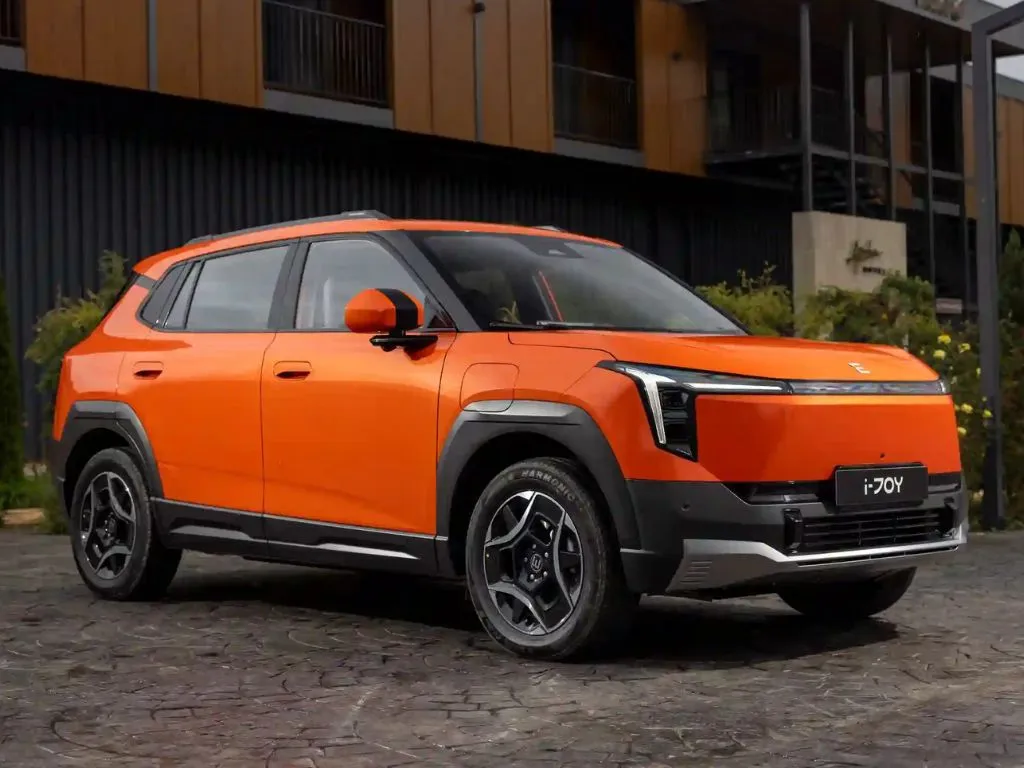
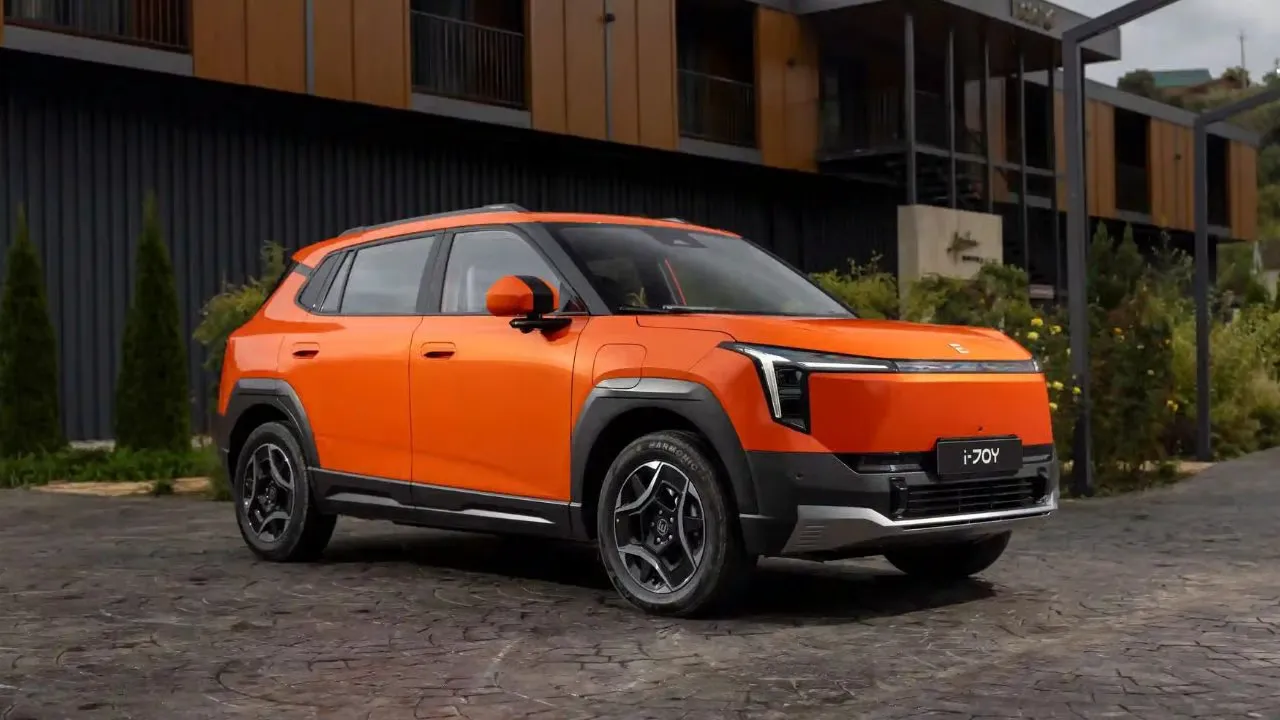
Russia, for its part, is trying to develop its own brands, even though they rely heavily on Chinese technologies and vehicles. This is especially true of Evolute, which assembles models in Lipetsk using components primarily from the Chinese manufacturer Dongfeng. Its compact electric SUV, the i-Joy, is derived from the Dongfeng Fengon E3. CKD kits, in which vehicle components are shipped separately before assembly on site, are used for its production.
The Russian government also supports these models: buyers of an Evolute can currently receive assistance equivalent to 35% of the purchase price under a government program.