
Russia doubles sales of electric and hybrid cars as gasoline begins to run low
08/09/2026 12:00
Updated to
08/09/2026 12:00
The electric car industry in Russia has recently found a purchasing incentive quite different from the usual ones. It isn’t related to emissions, government subsidies, or cost per kilometer. A shortage of gasoline is pushing some drivers toward electric and plug-in hybrid vehicles, to the point where their sales have more than doubled during the summer months.
According to Autostat data, 26,543 new electric and PHEV vehicles were registered between June and August, compared to 12,187 units during the same period in 2025. This growth coincides with the problems facing Russia’s refining sector after Ukraine intensified attacks on oil facilities starting in June.
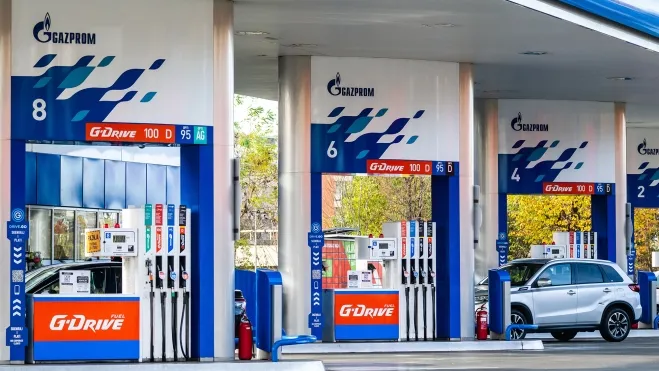
By the end of August, Russia’s gasoline production had dropped to about 70% of domestic market demand, leading to shortages and long queues at certain gas stations.
When finding gasoline becomes part of the buying decision
This situation provides an unusual example of how quickly public perception of a technology can change. For years, electric vehicles have been promoted mainly for three reasons: reducing emissions, using less energy, and lowering operating costs. Russia now adds another, far more basic reason: the ability to travel even when there are difficulties obtaining liquid fuel.
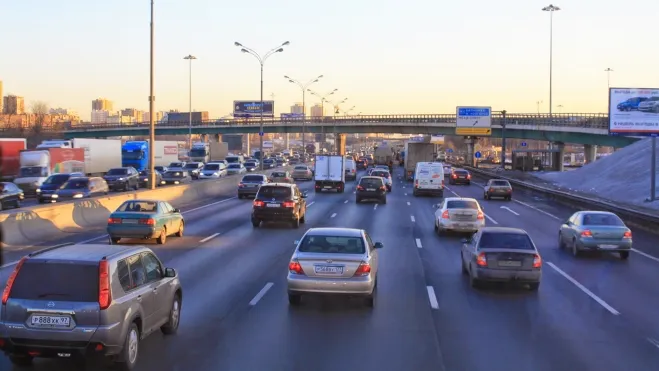
It is noted that some drivers have begun considering electric cars as an alternative, while others even opt to modify their vehicles to use natural gas.
This does not mean that Russia has suddenly become a major electric vehicle market. The starting point remains small. Last year, electric and plug-in hybrid vehicles together accounted for only 4.3% of passenger car sales, and significant obstacles such as a limited charging network, the country’s vast distances, and particularly harsh weather conditions still exist.
Even manufacturers and importers have been surprised by the surge in demand and haven’t always had enough vehicles available. A large portion of the electric models sold there also come from outside China.
Electricity can come from many places; gasoline cannot

The Russian situation also offers interesting insights for Europe. A gasoline car requires a very specific product that must be extracted, transported, refined, and physically delivered to a gas station. An electric car relies on an energy infrastructure as well, but electricity can be generated using a much wider variety of sources: solar, wind, hydroelectric, nuclear, gas, or coal, depending on each country’s system.
That doesn’t make electric vehicles immune to an energy crisis, but it does change the type of dependence. Russia is showing in a rather extreme way something that usually stays in the background in discussions about electrification. Electric cars aren’t just useful for using less oil; they also allow people to keep moving when the problem is precisely that refined oil isn’t reaching gas stations as usual.