
Wayve and Uber’s robotaxi projects in London are moving closer to reality
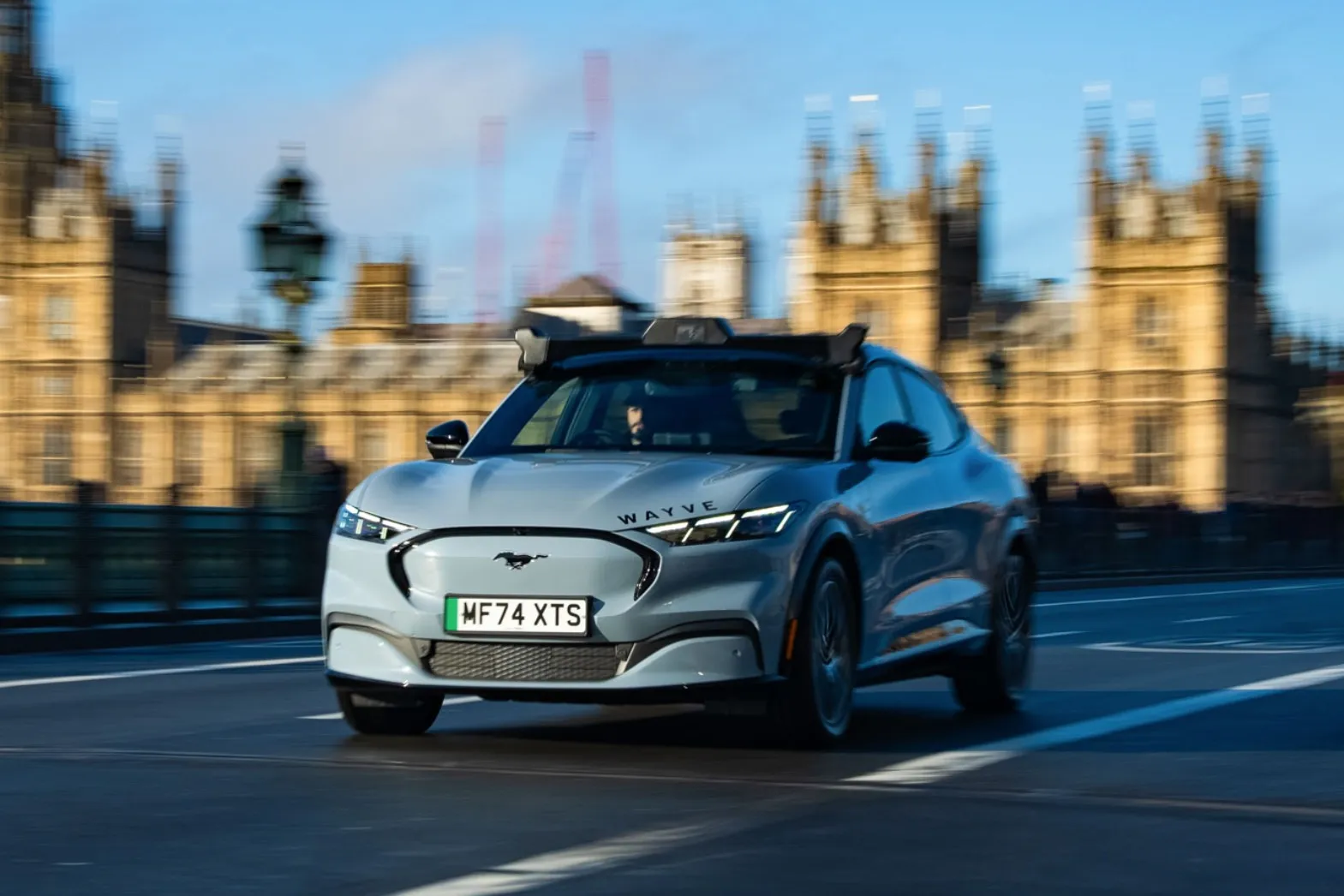
Uber and Wayve have overcome a major hurdle for launching a robotaxi service in London: Transport for London (TfL) has issued “Private Hire Vehicle” licenses to some of Wayve’s robotaxis. However, this is far from the only permit required for operating robotaxis in London, as other approvals are still pending.
TfL’s “Private Hire Vehicle” licenses pertain to a fleet of fully electric Ford Mustang Mach-E vehicles that have been modified by Wayve for autonomous driving. The vehicles are equipped with the Wayve AI Driver along with surround-view cameras and radar. They were inspected by TfL to verify compliance with the authority’s standards.
By licensing these vehicles, the so-called “Triple-Lock” requirement for trips in the private hire sector, including those conducted by ride-hailing services, is met. This requirement mandates that the operator, driver, and vehicle all hold licenses from the same regulatory body. The trips take place under the UK’s AV Trialling Code of Practice and Uber’s TfL license.
A safety driver must be on board in London
Wayve’s vehicles are designed to operate autonomously and drive on their own. However, a trained and TfL-licensed safety driver must remain onboard during each ride for now to monitor the journey, provide assistance, or take control if necessary.
There is strong interest in robotaxis among Londoners, as over 100,000 people have signed up for Uber’s waitlist in the past eight weeks. Selected users from this list will have the opportunity to undertake initial test rides later this summer to evaluate the service before its official public launch.
Sarah Gates, Wayve’s VP of Global Affairs Assurance, said, “This license is an important step toward giving Londoners the opportunity to experience autonomous driving technology.” She added, “Responsible deployment of these vehicles will bring safer, cleaner, and quieter streets, and we are proud to continue working alongside regulators, communities, and the public as we take further steps to make autonomous driving a reality in the capital.”
Annie Duvnjak, Uber’s Global Head of Autonomous Mobility Operations, said, “This license is a significant milestone in bringing autonomous driving to London via Uber.” She added, “Our waitlist has seen incredible interest from Londoners who are eager to experience the autonomous driving technology developed by Wayve in the UK.”
Milestone, but not operational approval
The “Private Hire Vehicle” licenses issued by Transport for London to Wayve represent a significant milestone for the partnership, but they only constitute part of the regulatory approvals required. To achieve widespread and fully driverless robotaxi operations in urban areas, various additional regulatory hurdles must be overcome under Britain’s testing and licensing laws as well as local regulations, including comprehensive safety proofs and obtaining an operating license. It was not until June that the UK launched an application process for operating licenses for robotaxi pilot projects.
Uber participated in Wayve’s billion-dollar funding round in February. As part of this, the ride-hailing platform announced plans to launch a robotaxi service with Wayve in over ten markets worldwide, including London. For such a project in the Japanese metropolis, both companies have already secured Nissan as an additional partner.