
Savings of 20,000 kilometers on electric mode
Savings on 20,000 km in an electric car: the breakdown (from LinkedIn) comes from a reputable source, Stefano Rampino, senior researcher at CNR. The cost issue, with gasoline priced at 2.149 euros, is crucial. But there are other factors to consider when choosing a car, and Rampino explains them effectively.
Charging costs 770€, while I would have spent 1,844€ on gasoline
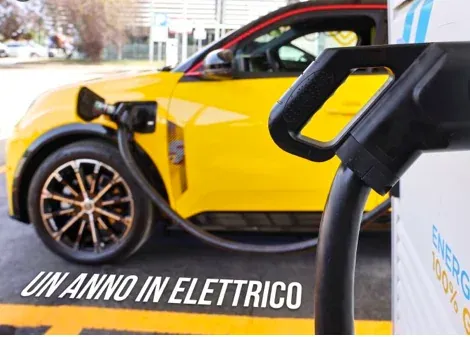
"A year ago I switched to a BEV... without naming it. I’ve driven 20,000 km so far, with the battery’s SOH at 99% and no noticeable degradation. The first service cost 42 €, compared to an average of 200 € for a gasoline equivalent. For fuel: by charging to 90% at home and 10% at Fast Charge stations (for the roughly 2,000 km on highways), I spent 770 € on electricity. A gasoline equivalent, over the same distance and with gas prices now consistently above 2 €/liter, would have cost around 1,844 €. If this trend continues for the next 5 years, the fuel cost difference alone exceeds 5,000 €. Long trips: the biggest fear for those who’ve never tried one... On highways, you just need to find Fast Charge stops, which are now available at almost all service stations. The 20-25 minutes needed for charging? It’s completely compatible with the breaks required during long drives...".
Savings on 20,000 km: it’s not just about money…
CO₂: With a supply contract that uses only renewable energy, I avoided about 2.15 tons of CO₂ in one year compared to its thermal equivalent. But it’s not just about the financial savings. The electrification of light transportation is one of the few situations that truly benefits everyone across multiple fronts… An internal combustion engine converts only 30-40% of the fuel’s energy into motion, with the rest being wasted heat. It’s like buying 3 pizzas and throwing away 2. With an electric motor, at 80-90% efficiency, it’s like keeping only the crusts. Why accept such waste in 2026 just to hear “quieter, quieter”? Less noise: a benefit often underestimated, far from being just “quieter, quieter,” for urban living and drivers’ quality of life. Clean air in cities: zero emissions of NOx and particulate matter from exhaust, where people actually breathe…
CONCLUSION. “There is a profound difference between legitimate skepticism about initial costs or infrastructure and ideological opposition regardless of circumstances. Faced with such clear evidence, defending the status quo of endothermic systems risks becoming nothing more than a exercise in nostalgia. When a technology offers simultaneous improvements in thermodynamic efficiency, cost savings over its lifetime, and tangible benefits for climate and public health, the real challenge is not to halt it—but to accelerate its accessibility to everyone. Overcoming cultural barriers is the first step to avoiding falling behind.”
– Read also / Joke about the 2027 stamp duty exemption: vehicles over 5 years old still have to pay
Previous Article
Copper thefts on the rise in Ferrara region