
Renovating your home can save 900 euros per year.
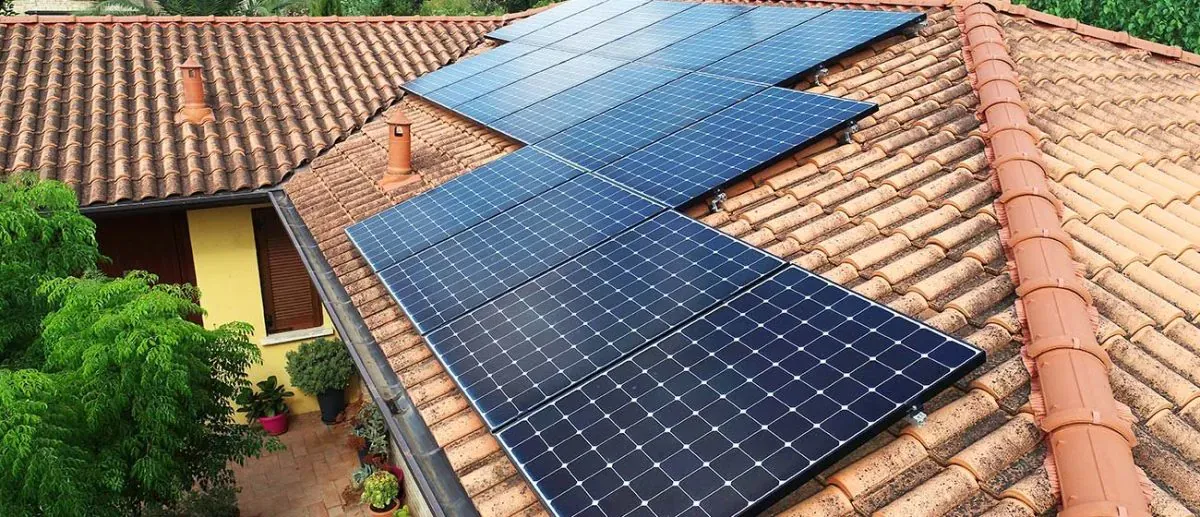
The price of gas is soaring, and simply switching suppliers isn’t enough to save on home heating. Improving efficiency and relying on renewable energy sources provide greater relief for family budgets. This is especially true this year, as heating costs once again strain Italian families’ finances. At the start of the 2026-2027 heating season, the annual cost of gas for a typical vulnerable family, based on conventional consumption of 1,100 cubic meters, reaches 1,782 euros—611 euros more than last year, representing a 52% increase. But there is one factor that families, apartment complexes, and businesses can directly influence: the amount of energy needed to heat buildings.
Savings on bills from the first season: more efficient homes
Tecnocem, a Bologna-based group active in construction and energy efficiency through its ESCo (Energy Service Company), stands out for its savings achievements. The company analyzed the actual energy consumption of buildings that underwent upgrades in residential complexes, healthcare facilities, public buildings, and businesses. Monitoring shows an average 50% reduction in consumption for complete upgrades of building envelopes and heating systems, equivalent to an average savings of 550 million cubic meters of methane per year per household. At current prices, this translates to approximately 900 euros in avoided energy costs per household and an estimated reduction of about 1.1 tons of CO₂.
The results show how improvements to the building envelope and systems can yield measurable savings from the first operating season. Insulating the building, replacing outdated generators, implementing smart controls, and improving energy management help reduce waste and adjust heat production to the actual needs of the buildings.
Demolish an electric building? Siemens did it with Volvo
Unlike choosing a more affordable supply contract, whose benefits depend on commercial terms and energy prices, retrofitting addresses the building’s energy requirements directly.
Improvements in a Bologna complex: from energy class D to B
A concrete example comes from the renovation of a residential complex in Bologna, on Via Gobetti, consisting of three 36-meter-tall buildings housing 70 families. Tecnocem carried out an integrated upgrade of the building envelope and systems, including ventilated walls on the main facades, rock wool insulation on the side walls and roof, balcony insulation without reducing living space, and a new hybrid heat plant replacing the old gas boiler. Over the 12 months of construction while the buildings remained occupied, the complex’s energy efficiency rating improved from D to B.
"In the buildings we monitor, savings are not just a design prediction but a result that we verify over time through the actual energy consumption measured. To achieve a real reduction in energy costs, action is needed on two fronts: on one hand, improving the efficiency of technologies and systems so they can meet energy needs while using less; on the other hand, reducing energy demand by eliminating waste and promoting more mindful behaviors and management practices," says Maria Luisa Mazzotta, commercial director of Tecnocem.
You can also save in summer by reducing electricity use at home
The rise in energy prices increases the economic viability of renovation measures: for the same amount of energy saved, the monetary value of the savings grows as energy costs rise. Compared to the estimated 300 euros per year at prices twelve months ago, the benefits are now tripled, significantly reducing the payback period for investments. These advantages persist in summer as well, as properly insulated buildings limit heat influx and reduce reliance on air conditioning and electricity consumption.
The benefits of renewables with national and regional incentives
For condominiums and businesses, the first step is an energy audit, which helps identify inefficiencies and determine priorities. Support measures include Conto Termico 3.0, which provides direct funding from GSE for certain projects and eligible entities, as well as tax deductions.
Record emissions worldwide (and in Italy). The UN warns of a temperature rise of 2.8 degrees
For expenses incurred by December 31, 2026, the subsidy rate remains at 50% for primary residences and 36% for other properties; starting in 2027, under current regulations, these rates would drop to 36% and 30%, respectively. The final details will depend on the 2027 budget law, which is currently under discussion and includes a proposal for a subsidy rate of up to 65% for energy efficiency improvements.
Emilia Romagna: 3 million euros for businesses for parking lots with photovoltaic systems
Don’t forget the regional incentives, which can be very generous such as those in Sardinia, but almost all regions fund renewable energy for businesses and, in some cases, for families. Having an assessment ready allows for timely decisions once the rules are established.
READ ALSO: Vaielettrico Awards 2026: our “champions” of the electric revolution and watch the VIDEO
Previous Article
News on the Citroen 2Cv? When will it arrive and at what price?