
Rio Tinto is expanding lithium mining in Argentina
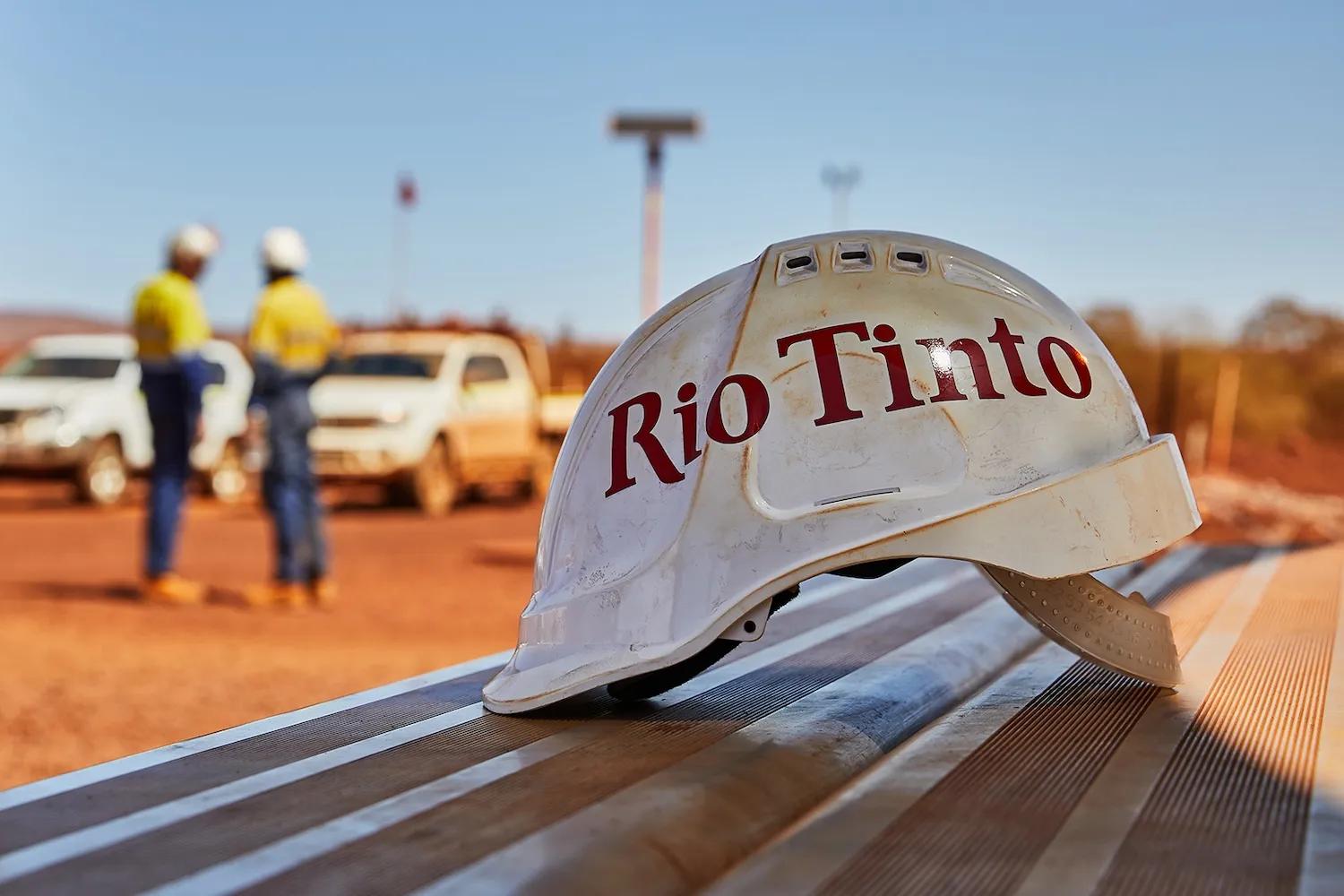
Rio Tinto, the mining conglomerate, has brought two more lithium projects in Argentina online. The “Fénix-1B” expansion and the “Sal-de-Vida” facility in the province of Catamarca are now operational. At full capacity, they are expected to achieve a combined annual capacity of 25,000 tons of lithium carbonate equivalent.
Image: Rio Tinto
Rio Tinto announces the official commencement of the “Fénix 1B” expansion project and the “Sal de Vida” lithium mining operation in Catamarca province. The British-Australian mining company has invested approximately $1.4 billion, or about 1.25 billion euros, in these two projects, according to its own statements. A accompanying release states that production at both sites began ahead of schedule in the second quarter of 2026. The projects are intended to strengthen Rio Tinto’s position “as a leading lithium supplier for global markets.”
Background: “Fénix” is considered Argentina’s first commercial lithium operation, starting operations in 1997. The “Fénix 1B” expansion is intended to increase the annual capacity of the existing facility by 10,000 tons of lithium carbonate equivalent, bringing the total capacity at the site to around 40,000 tons in the future. “Sal de Vida,” on the other hand, is a newly built lithium carbonate facility located about 20 kilometers northeast of “Fénix,” with an intended annual capacity of 15,000 tons. Both sites are in Catamarca, a province in northwestern Argentina. Rio Tinto is also operating or planning additional lithium projects in Argentina’s Jujuy and Salta provinces, including the flagship “Rincon” lithium project, which is expected to have a long-term capacity of 60,000 tons per year. Commercial operations are set to begin there in 2028.
Simon Trott, CEO of Rio Tinto, commented on the opening of the two facilities in Catamarca as follows: “Today is a proud moment for Rio Tinto and an important milestone for Argentina’s lithium industry, as we further strengthen our position as the world’s leading supplier. […] These two projects build on nearly three decades of lithium production in Catamarca and the expertise of our Argentine workforce. They demonstrate our industry-leading ability to execute projects, as we work diligently toward our global goal of achieving an annual production capacity of 200,000 tons of lithium carbonate equivalent by 2028.”
Rio Tinto was also long interested in developing a lithium project in Europe: in Serbia. However, the company lost interest in the so-called Jadar project at the end of last year and said it would prioritize other “short-term opportunities.” Pausing the project in Serbia, which was still in the approval phase, was one of several measures taken by Simon Trott, who was appointed to head Rio Tinto in August 2025, to rationalize operations and cut costs. One of his first decisions was to reorganize Rio Tinto into three business segments: iron ore, aluminum combined with lithium, and copper.
Generally speaking, Rio Tinto has invested heavily recently, such as at the beginning of this year in the Canadian company Nemaska Lithium. The company also spent a significant amount in 2024 to acquire lithium producer Arcadium (purchase price: $6.7 billion). This was partly because the mining giant stated it intended to invest heavily in its first own lithium mine in Argentina as well, in order to expand its supply of battery materials.
Generally, over the past few years Rio Tinto has aimed not only to establish lithium as its fourth business pillar alongside iron ore, aluminum, and copper mining, but also to become one of the world’s largest lithium producers. The geographical focus of this effort is on Argentina. However, it remains unclear to what extent Rio Tinto intends and can continue to invest heavily in its lithium business even amid increasing cost-cutting measures.