
ETS Revision: The European Commission aims for fair taxation of electricity and universal V2G in electric vehicles starting in 2030.
The European Emissions Trading System (EU ETS, ETS) is currently under review. The European Commission proposes updating it to enhance our independence from fossil fuels. Funds are set to be reinvested at 50 percent in decarbonizing polluting industries. Much discussion focuses on the Electrification Action Plan, expanding and modernizing energy grids, and regulating air and maritime transport, but there are also interesting aspects related to road transportation.
New ETS, Electrification Action Plan
Table of contents
New ETS, Electrification Action Plan
Electricity taxed no more heavily than gas
Functional, universal V2G
The justification includes interesting statistics: although we already produce 70 percent of our electricity independently from clean sources, demand for electricity remains at 23 percent. The remaining energy comes from fossil fuels. Therefore, deeper electrification of industry, buildings, and transportation is necessary. The plan is ambitious: to raise electricity usage from 23 percent to 46 percent by 2040, which is expected to save the EU countries around 260 billion euros per year.
For comparison, the entire ETS scheme generated 270 billion euros in revenue since 2005.
Electricity taxed no more than gas
The European Commission is aware that switching to electric vehicles could allow us to save 78 percent of the energy used [compared to gasoline-powered vehicles]. But it also knows that electricity can be expensive. Therefore, it is necessary to promote smart meters and ensure that governments do not tax electricity more heavily than gas. For us: great news, no one will suddenly impose a road tax on the energy used by our garage wallbox.
Functional, universal V2G
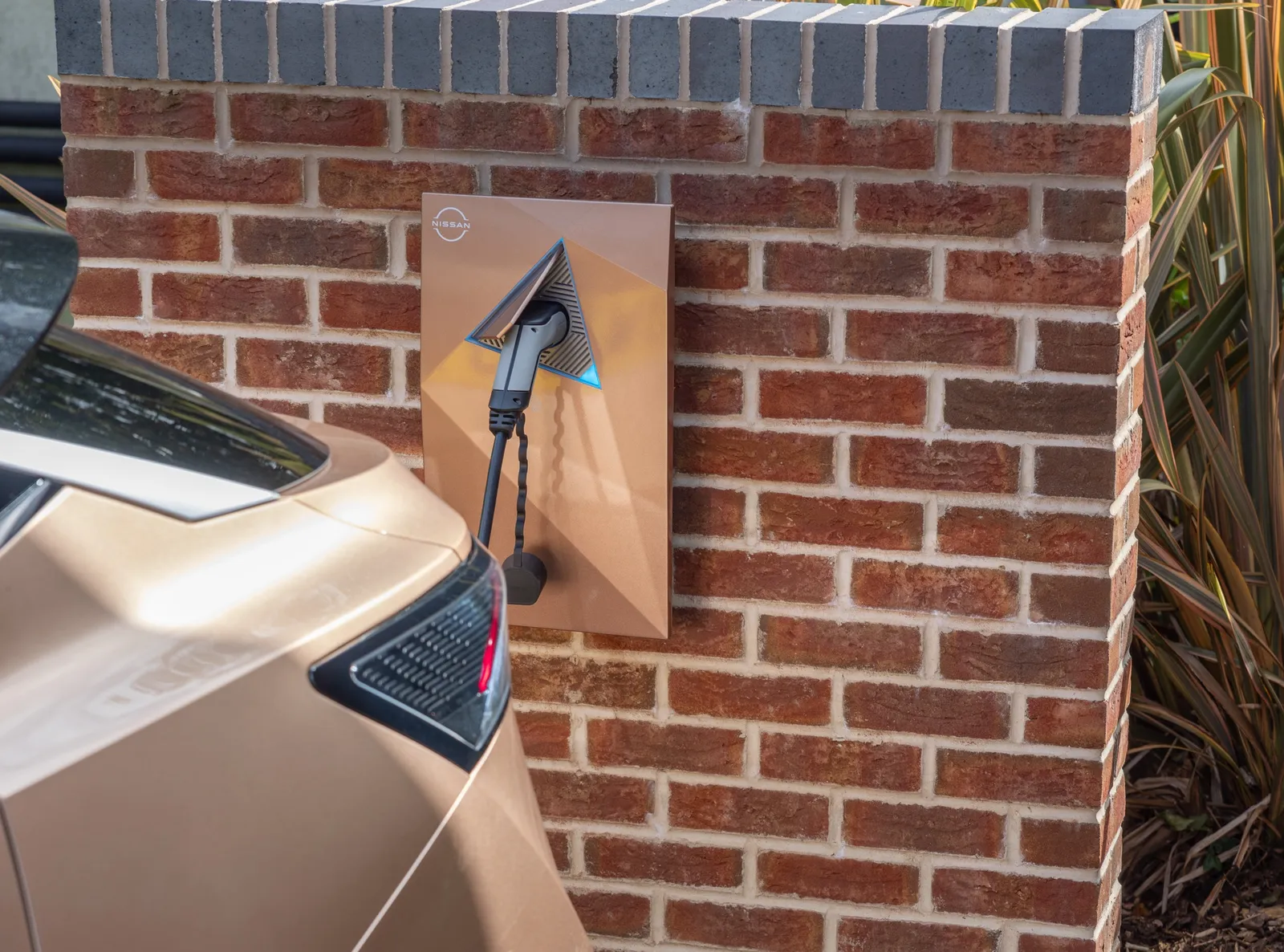
The transport sector is the largest consumer of crude oil in the Union, relying on fossil fuels for over 90 percent of its needs, which is why its electrification must be prioritized. Key elements include electric vehicles themselves as well as the batteries in them, which can serve as temporary energy storage. Therefore, legislation should aim toward mandatory, legally required, and interoperable vehicle-to-grid (V2G) systems starting in 2030.
Transport & Environment adds that these systems should function in such a way that there is no need to purchase additional charging stations “compatible with the car” separately.
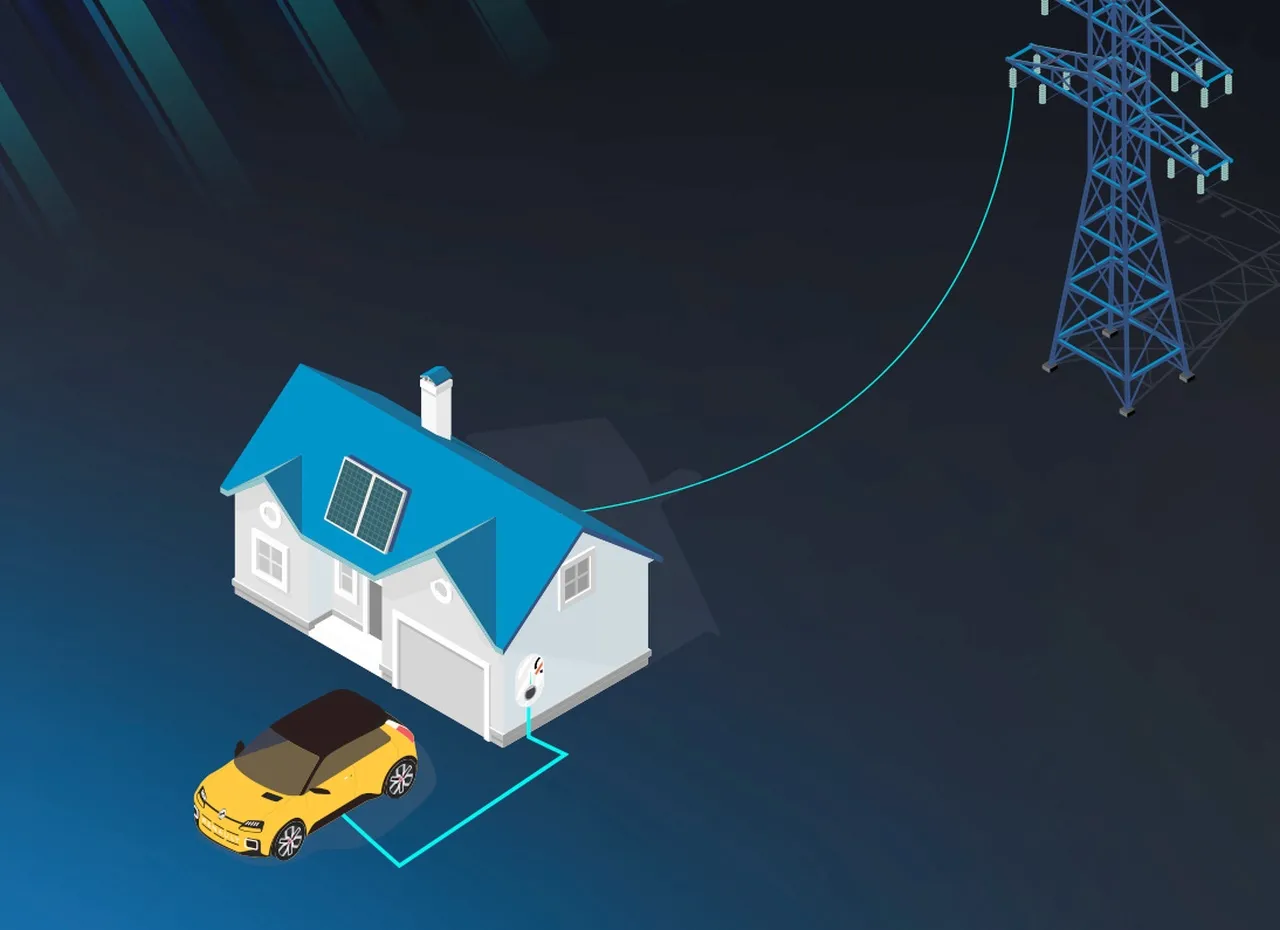
V2G energy flow. Diagram (c) Renault
Article rating
Reader Ratings
[Total: 6 votes Average: 4.3]
Don’t miss new content — CLICK and FOLLOW Elektrowoz.pl on Google News. You might also be interested in the following ads: