
Electric car repairs: This drives up costs according to the alliance
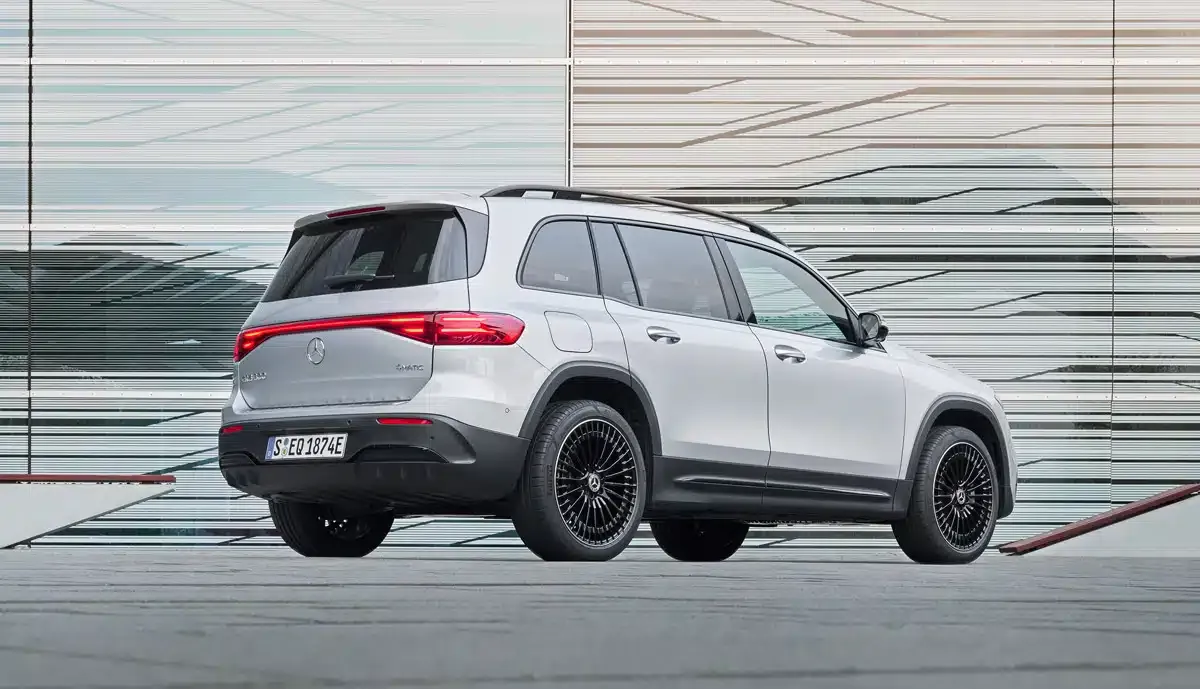
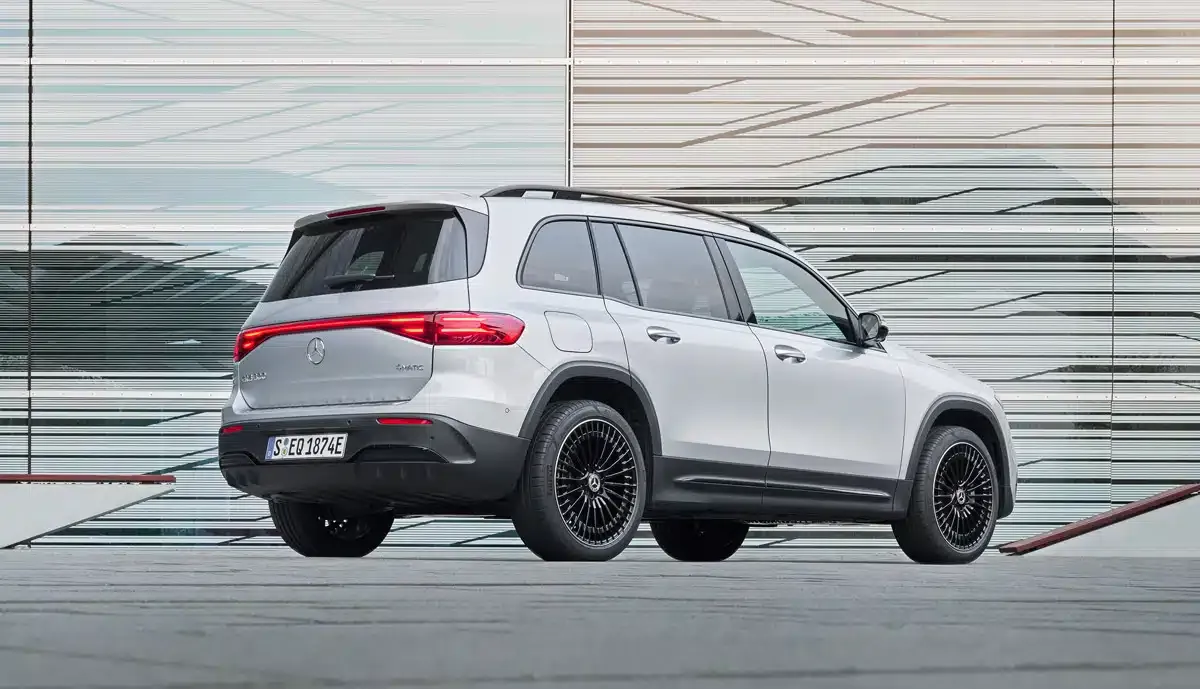
Image: Mercedes‑Benz (illustrative)
The repair costs for electric vehicles are not automatically higher after accidents compared to those of gasoline-powered cars. According to Carsten Reinkemeyer from the Allianz Zentrum für Technik (AZT), as reported to Firmenauto.de, it is primarily the younger average age of electric vehicle fleets that leads to higher costs. Since battery electric vehicles are generally much younger, this results in different reporting patterns on one hand, and higher repair thresholds as well as total loss costs on the other.
Another cost driver are the hourly rates at branded repair shops, which, according to Allianz studies, can be nearly 50 percent higher than those at non-branded shops. A comparison of similarly new vehicles confirmed the impact of age. According to the expert, replacement parts for electric cars are not generally more expensive; components such as bumpers cost the same across different segments and manufacturers. “We see a relatively small impact from activation costs when the high-voltage system needs to be involved in repairs,” explains Reinkemeyer. However, this is only required in a small number of cases.
The high-voltage battery can, however, become a critical cost factor, especially in cases of underbody damage. Depending on the housing’s protective cover and the repair solutions provided by manufacturers, costs can range from less than 1,000 euros to as much as 29,000 euros according to the expert. Additional difficulties arise in diagnosing the issue on site or selecting a suitable storage area, as knowledge is often lacking and concerns about hazards may lead to unnecessary and costly measures. Independent repair shops are at a disadvantage due to the lack of diagnostic capabilities for the increasingly frequent new brands and models.
In a study of tow charges, AZT found “significant cost increases” compared to average prices for conventional vehicles, according to Reinkemeyer. The duration of mandatory vehicle detention is often “grossly exaggerated,” he noted. Some early manufacturers such as VW and BMW have responded by reducing the initial quarantine period to 24 hours under battery temperature monitoring. Temperature serves as an important indicator of potential critical reactions in the battery.
According to Reinkemeyer, objective information, regular training, and better education are necessary to reduce costs and alleviate fears of rare hazards. Additionally, it is important to protect the battery housing from damage from the floor below. A remaining issue is the sometimes necessary blanket repair by replacing the battery. To avoid costly total failures, manufacturers should offer repair-friendly solutions or replacement batteries that match their current value.
Also interesting
About the author
Thomas Langenbucher is an expert in electromobility with professional experience in the automotive industry and finance sector. Since 2011, he has been covering electric vehicles, sustainable technologies, and mobility solutions for ecomento.de. Learn more.
Reader interactions