
Repairing an electric car outside a dealership is now possible: this network of workshops keeps growing.
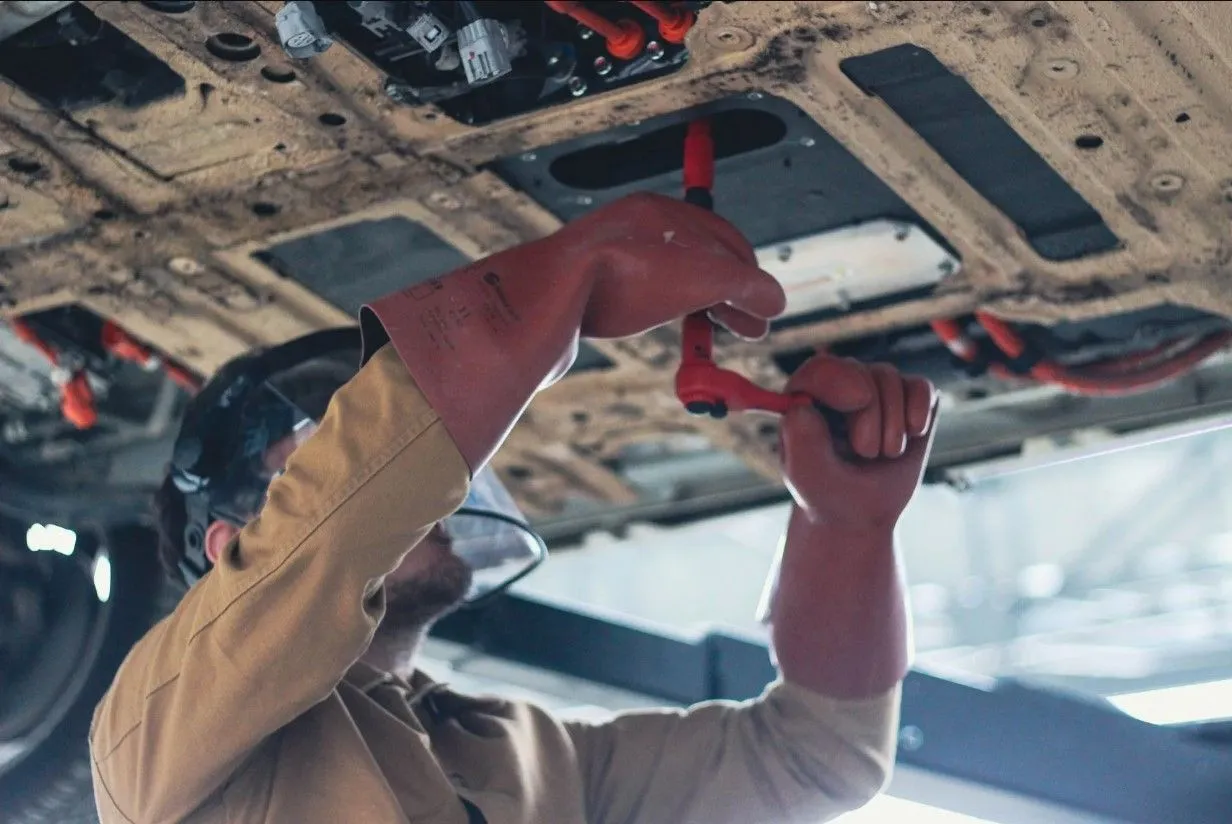
Taking an electric car to an official dealership when there’s a problem with the propulsion system can result in a hefty bill. And it’s not always because the issue is particularly serious. Components such as the onboard charger or power electronics may require specific knowledge and tools, which during the early years of electric car adoption meant many owners had few options other than turning to official service networks.
However, this is starting to change. In places like France, a more mature market than Spain where there are also small initiatives, a network of independent workshops prepared to work with high-voltage systems is growing. One of the companies driving this change is Revolte. The French company is training independent workshops and providing them with diagnostic tools, technical support, and equipment so they can work on electric and hybrid vehicles with greater safety guarantees.
The issue becomes particularly interesting because one of the major advantages of electric cars is their lower maintenance needs, but that doesn’t mean they are free from breakdowns. When a problem arises outside of routine maintenance, costs can rise quickly, especially if the only option available is to replace entire components rather than fixing the specific part that has failed.
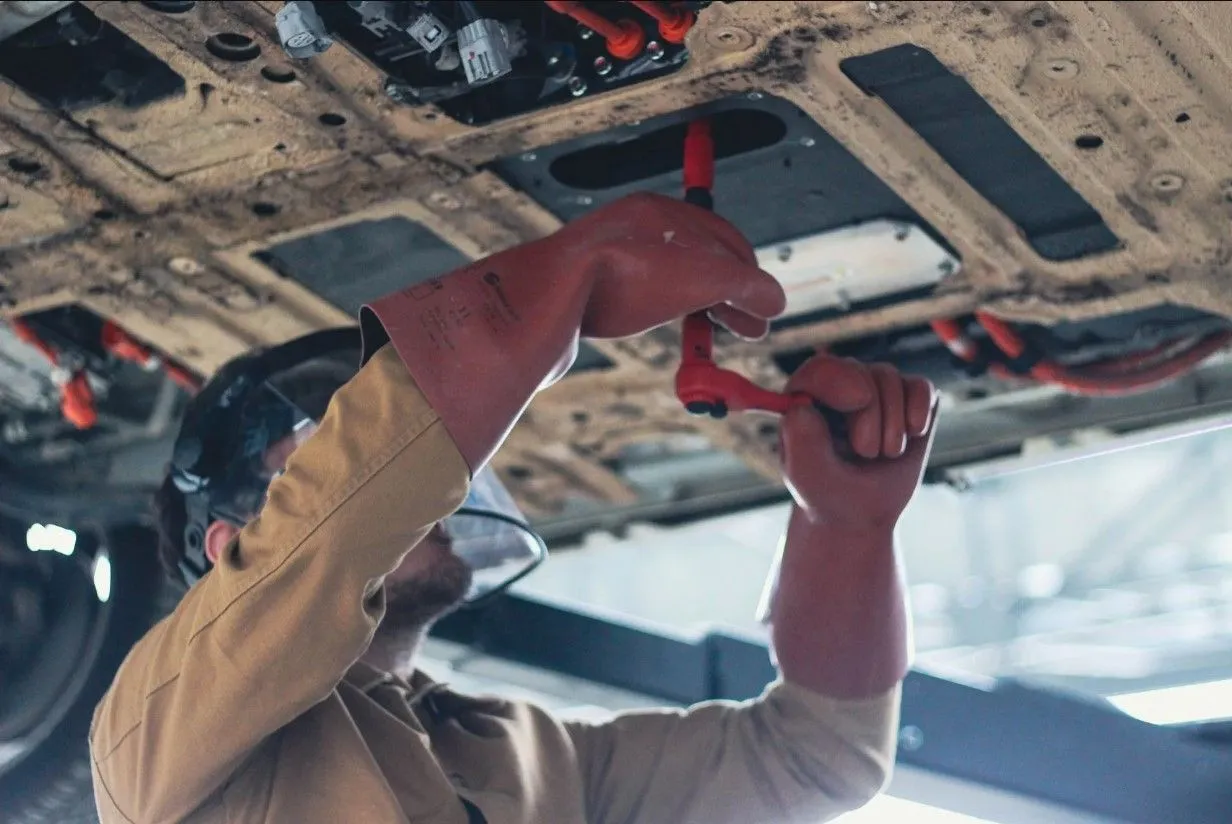
The battery is probably the component that worries owners the most, though Revolte adopts a different philosophy: repair rather than replace. The company has specialized facilities for diagnosing and repairing batteries, including their electronic systems and faulty modules, with the goal of preventing a localized issue from escalating to the need to replace the entire unit.
In fact, this ability to repair specific components can make a huge difference when it comes to electric cars that are accumulating years and mileage. An electronic failure doesn’t necessarily mean an entire system must be replaced, though the possibility of doing so always depends on the model, the type of failure, and the availability of parts and repair procedures.
Revolte aims to bring specialized workshops to all regions
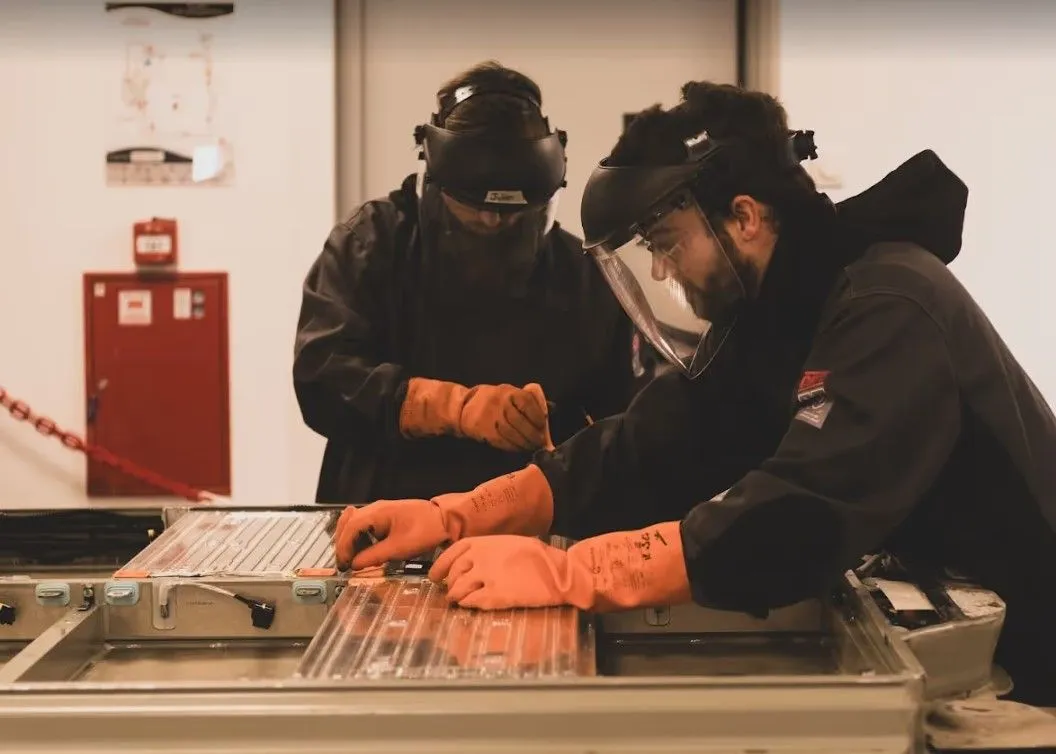
The issue is that not all independent workshops have the necessary expertise to work with high-voltage systems. An electric car cannot be treated exactly like one with a combustion engine, and in addition to specific tools, professionals need training to work safely on their electrical systems.
That’s where Revolte comes in. The company doesn’t just repair cars at its own centers; it’s also establishing a network called Garages Branchés, composed of independent workshops that receive training, diagnostic tools, technical documentation, and specialized support. The company also provides access to Revolte professionals to resolve certain repairs, as well as discounts on parts, tools, and services provided through its own network.
The network has just reached a new milestone. Revolte announced the addition of its 50th affiliated workshop, the Niort Frères locations in Rouen, Normandy. Moreover, this center has become the first in the network to reach level 3, which represents the most comprehensive level of support offered by the company.
At this level, the workshop receives technical support, full access to specialized documentation, regular training, and special conditions for purchasing parts, tools, and repair services. The goal is to enable independent workshops to handle increasingly complex repairs without having to automatically refer customers to the manufacturer’s official network.
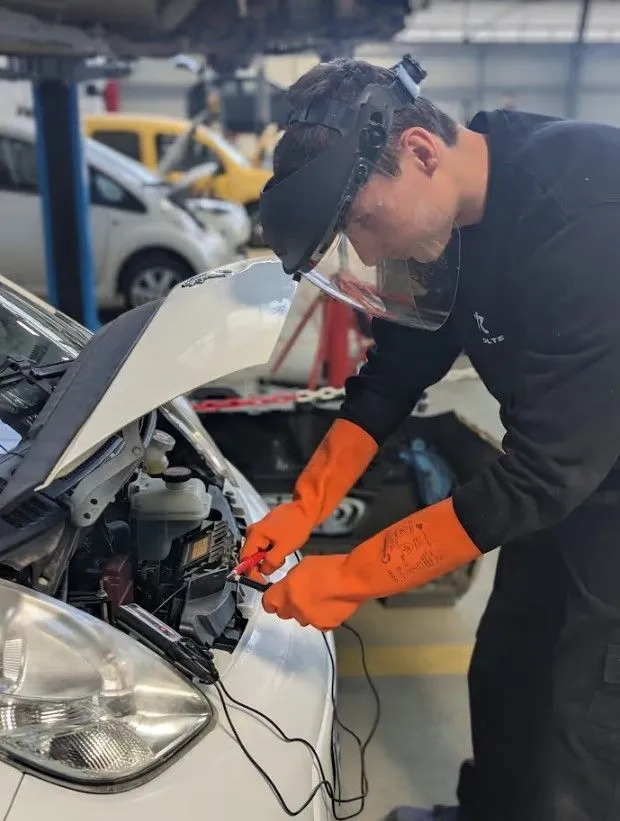
It’s not just a matter of price. Having more workshops capable of working on electric cars can also be important to prevent certain models from being limited by an overly small network of support services. As the age of electric car fleets increases, having professionals who can repair electronics, high-voltage systems, or batteries can become a crucial factor in extending their lifespan.
Revolte maintains this goal as one of its key identifiers: enabling electric cars to last much longer through repair rather than systematic replacement of components. The company even talks about extending their lifespan to 100 years, a target that should clearly be understood as an intention statement rather than a guaranteed duration for any specific vehicle.
The company began its operations with a first specialized workshop in Nantes and later expanded its presence by opening its own facilities in other areas of France. Its network of affiliated workshops allows it to bring this expertise to locations where there is no own center. Currently, Revolte states that it has a network of Garages Branchés spread across the country, although it does not publicly release a complete list of these establishments because the workshops have varying levels of training and repair capabilities.
This move comes at a time when other major repair networks are also developing specialized services for electric and hybrid vehicles. The goal is similar: to enable repairs that were previously limited to dealerships to be carried out in independent shops equipped with the necessary training and tools.
For owners, this difference can be significant. For routine inspections, there are already independent options that can compete with manufacturer prices. The real challenge arises when diagnosing electronic faults, repairing onboard chargers, working on converters, or fixing battery issues. In such cases, having a nearby specialized independent shop can prevent the only option from being to turn to the manufacturer.
That said, it should be noted that each brand’s warranty and maintenance terms may specify particular requirements. Some manufacturers offer programs that extend coverage for several years by linking it to maintenance performed through their official network. Therefore, before taking a car still under warranty to an independent shop, it’s advisable to check exactly what conditions the manufacturer has set.
The expansion of networks like Revolte indicates a significant change in the repair market. Electric cars require less maintenance than gasoline-powered vehicles, but they will still need workshops for many years. The easier it is to fix specific issues without replacing entire systems, the greater the chance that electric cars can remain in use for a long time even after they are no longer new models.