
Renault is increasing investments by 10 billion euros. French social leasing is boosting the EV market.
In short:
Electrification is no longer available only to the wealthy
The Seine region sees a record high share of electric vehicles in registrations, with a government-backed social leasing program and an increasing number of affordable models
Renault wants to capitalize on this trend and plans to invest over 10 billion euros in France, says the company’s CEO François Provost
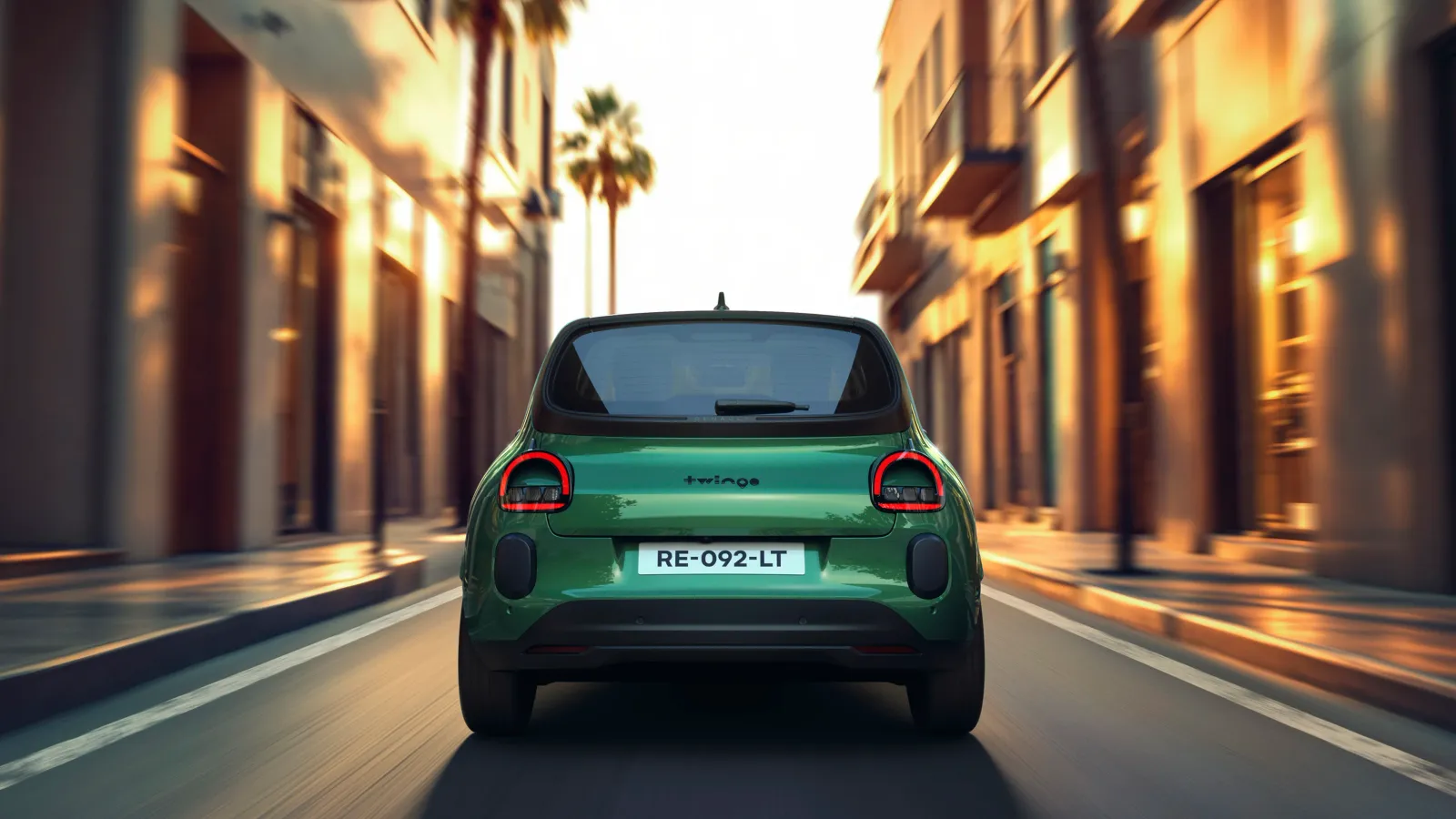
The goal? More affordable electric models
France currently provides a subsidy of 6,500 euros for purchasing BEVs, with this support potentially rising to 9,000 euros in certain cases.
Renault – electric cars for “ordinary people”
Renault plans to invest over 10 billion euros in France within the next five years. The funds are intended primarily for the development of electric vehicles as well as more affordable models. This announcement was made by the company’s president, François Provost, in an interview with France Inter radio — it represents a continuation of a strategy already in place for several years. As Renault’s chief also noted, alone in the past five years, the manufacturer has allocated 13 billion euros in France to transform its industrial infrastructure for electric vehicle production.
"Over the past five years, we have invested 13 billion euros in France to completely transform our industrial base and focus on electromobility. Over the next five years, if social and political conditions permit, we will invest another 10 billion euros to further develop electric cars and make them more affordable," said Provost, as quoted by Reuters.
The second element of this declaration is particularly significant. Renault is no longer talking solely about electrification but increasingly about affordability. This indicates that manufacturers see the greatest growth potential today not in expensive SUVs, but in smaller cars in segments A and B.
Record share of EVs in France
Renault’s decision is not arbitrary. According to data cited by Reuters, electric vehicles accounted for a record 42 percent of all new registrations in France in September. This is the highest figure since the market transformation began. The agency attributes this growth to factors such as high fuel prices. However, administrative measures and the emergence of an increasing number of affordable models are equally important factors.
Provost emphasizes that the electric revolution is already impacting domestic production. “The reality is that we are producing more cars in France today than before. In 2025, we produced 500,000 cars in France. In 2026, we will produce at least 25 percent more thanks to the growing popularity of electric vehicles,” said Renault’s CEO.
This is an important argument in the debate over the costs of energy transition, as for Renault, electrification does not mean reducing production but increasing it.
Social leasing changes the rules of the game
One of the most interesting elements of France’s transport policy remains what is known as social leasing. The program was launched for low-income households and has now seen another edition. According to France’s public administration website Service Public, starting July 16, 2026, it is once again possible to use the program that allows renting an electric car through long-term leasing without the need to purchase it later.
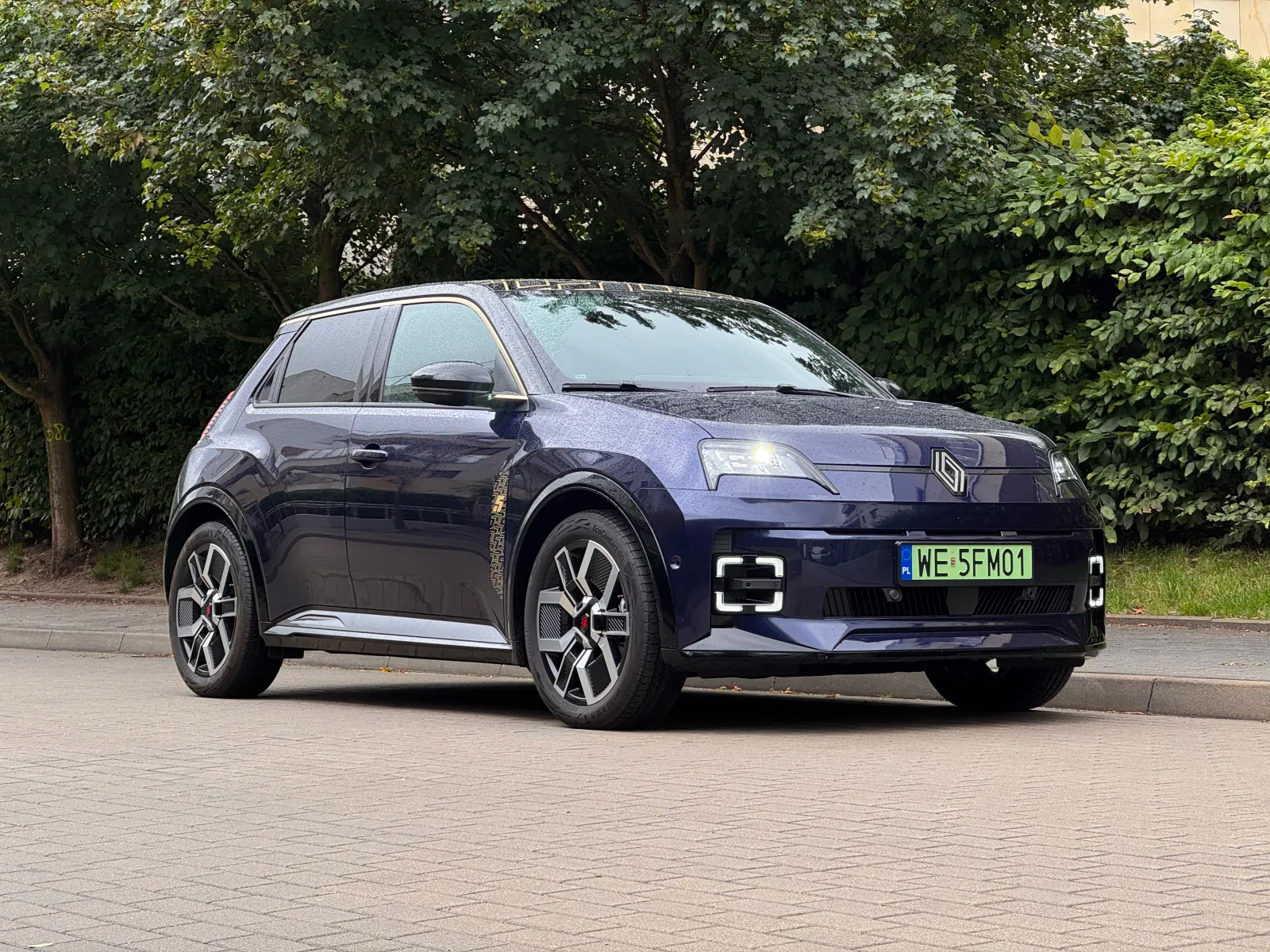
The program is aimed at individuals who meet certain income criteria and use the car for daily commuting to work or business. The contract must last at least three years.
Economics are the main factor driving this initiative. For this year’s edition, the monthly leasing payment is set to be less than 200 euros per month, with a minimum annual mileage of 15,000 km. The government subsidizes the vehicle purchase by up to 6,500 euros, and in certain cases, the support can increase to as much as 9,000 euros.
It is instruments like these, namely financial ones, that make electromobility stop being a solution reserved mainly for the wealthiest drivers.
Market analysts also confirm the importance of this program. Marie-Laure Nivot from AAA DATA, cited by Global Banking & Finance Review, assessed that social leasing “creates an environment that accelerates the transformation” toward electromobility.
Small cars drive the market
The history of the French market shows that the electric transformation picks up speed when manufacturers bring prices down to a level acceptable for average drivers. It is no coincidence that Renault is announcing investments in electromobility alongside “more affordable cars.” These two goals are now inseparably linked.
Just a few years ago, the development of the EV market relied mainly on larger and more expensive models. Today, smaller urban vehicles are playing an increasingly important role. They best meet the needs of users who benefit from support programs such as social leasing. A lower purchase price means lower lease payments, thereby enabling a wider range of consumers to take advantage of these programs.
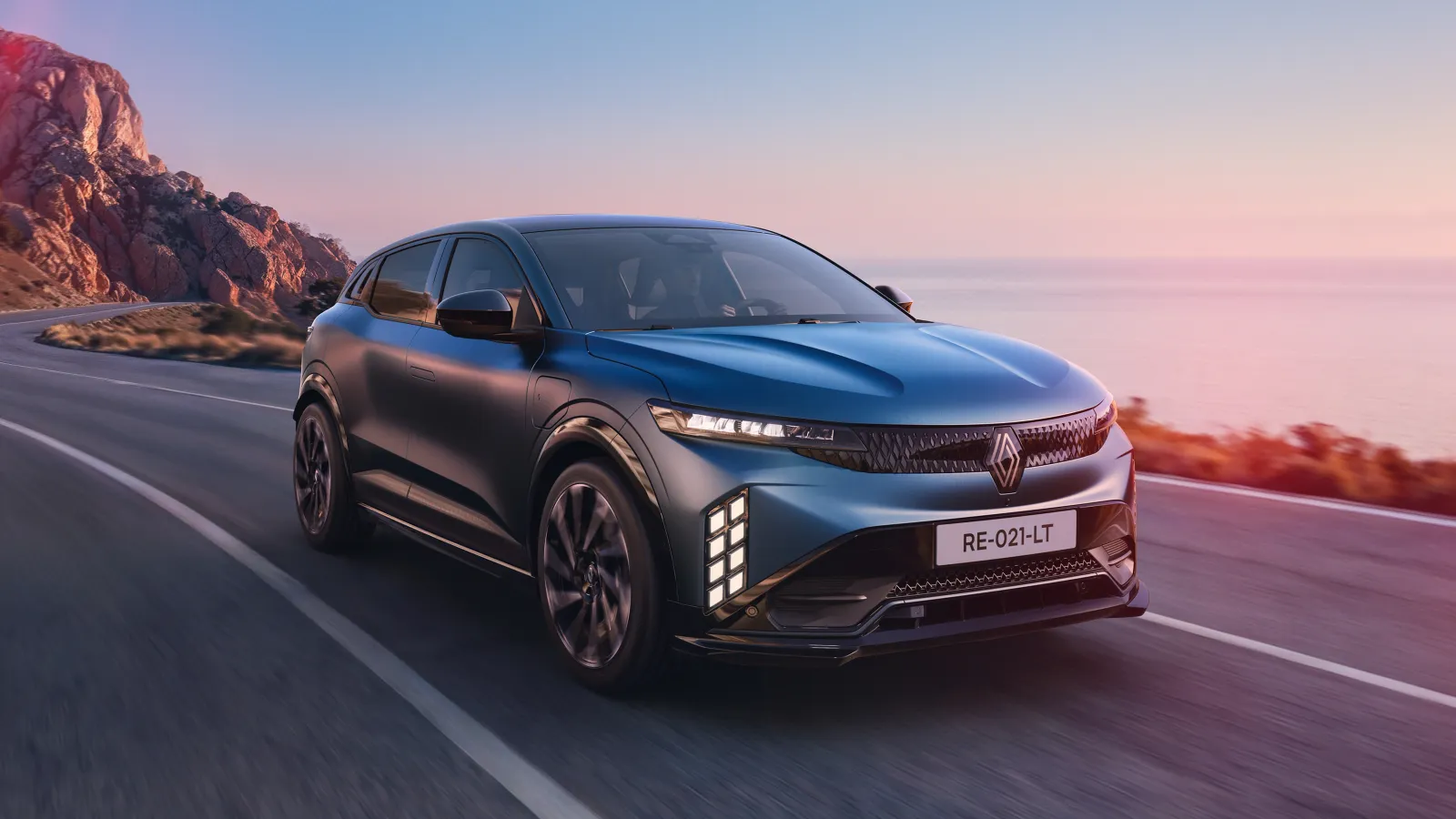
This is all the more true given that data cited by Global Banking & Finance Review (GBRF) illustrates the scale of this phenomenon. Over the twelve months leading up to July 2026, electric vehicles accounted for 29% of new registrations in France, while in July alone their share rose to a record 35%, up from 17% the previous year.
The GBRF report indicated that a key factor driving this growth was precisely the social leasing program.
Oskar Włostowski
