
Renault still wants to invest heavily in France to make electric vehicles more accessible, but under one condition!
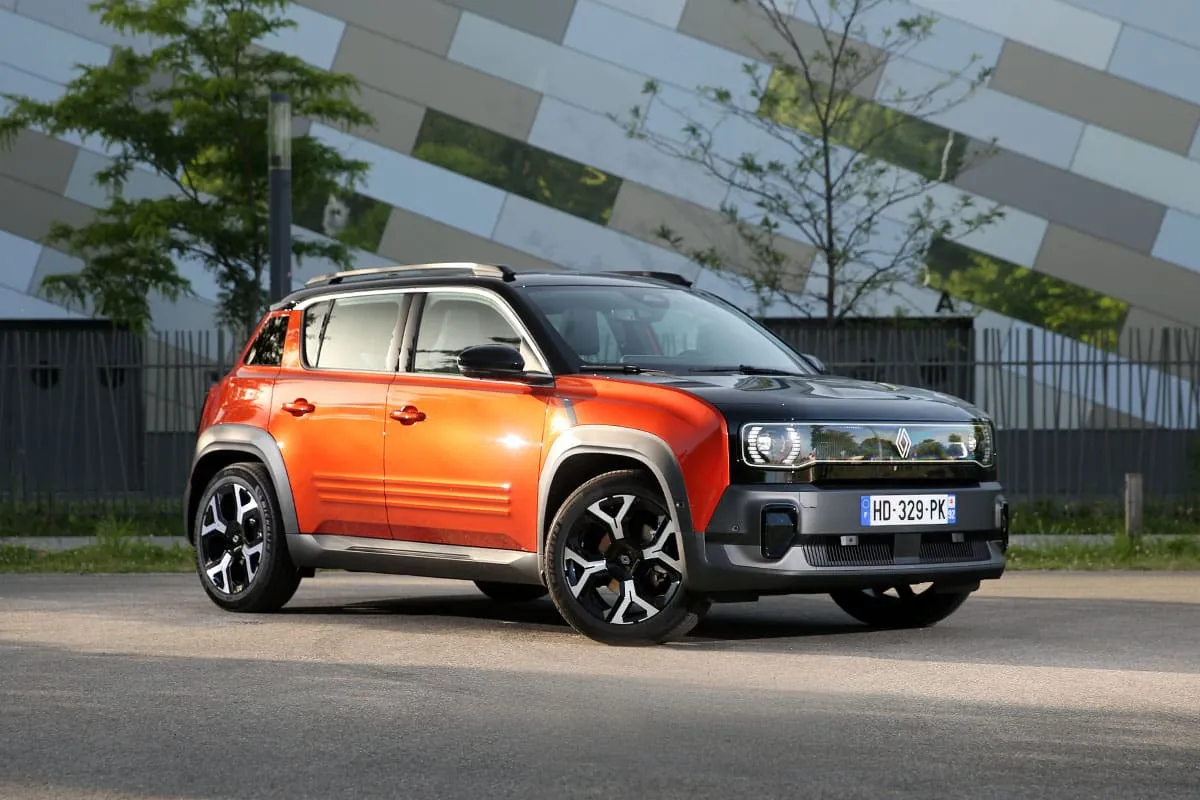

Renault intends to continue investing heavily in France. The group’s CEO, François Provost, announced 10 billion euros in investments in the country over the next five years, particularly to accelerate development in electric vehicles. The automaker aims to offer an electric car by 2030 at the price of a current hybrid model.
Renault does not plan to slow down its investments in electric vehicles. After significantly transforming its French manufacturing facilities in recent years, the brand wants to put more resources into this area. However, for this to happen, François Provost, Renault’s CEO, stated that it requires “the French political and social context to allow it,” according to remarks he made on France Inter.
Over 10 billion euros more in France
In the past five years, Renault says it has already invested 13 billion euros in France, particularly to adapt its factories for the shift to electric vehicles. For the next five years, the group plans to allocate more than 10 billion euros additional funds. This amount is intended to support the further development of electric cars while also making them more affordable.
France still holds a central role in the manufacturer’s operations. It accounts for about 20% of its business and 40% of its workforce. Renault claims to have produced 500,000 cars in France by 2025 and expects at least a 25% increase in 2026, driven largely by the growth of electric vehicles in the country. The Renault 4 and 5 models, along with other electric vehicles assembled in northern France, contribute to this trend. The group even surpassed the milestone of one million electric vehicles produced in France since 2010 this summer.
An Electric Vehicle at the Price of a Hybrid by 2030
François Provost has set a very clear goal. He wants an electric car to cost the same as a current hybrid by 2030. This is a crucial step toward full democratization of electric vehicles. Renault has already begun to lower prices in its lineup. For example, the new electric Twingo starts at 19,490 €, dropping to 12,420 € with subsidies. It illustrates the direction the manufacturer is taking: smaller batteries, lighter cars, and cost control to narrow the gap with internal combustion and hybrid vehicles.
Also read
Renault Twingo electric challenge: how low can its fuel consumption per 100 km be reduced?
This strategy does not mean a complete abandonment of hybrids. With its futuREady plan, Renault aims for a mix in Europe consisting of 50% electric vehicles and 50% hybrids by 2030. The group also plans to introduce 22 new models in Europe by then, including 16 electric ones.
