
Renault will give new life to the electric motors of the Mégane and Scénic.
Renault is accelerating its efforts to refurbish components for its electric vehicles. Through The Remakers, its subsidiary focused on the circular economy, the company will now refurbish the electric motors used in models such as the Mégane E-Tech and Scénic E-Tech. This approach could reduce costs by about 30% compared to new parts.
In electric vehicles, the battery often draws all attention when it comes to aging or repair. But as the fleet of electric vehicles ages, the motors and power electronics will also need to be repairable or reusable. Renault is now beginning to establish a framework for giving these components a second life.
Also read
Battery recycling for electric cars: a factory opened in northern France
The electric Mégane and Scénic models affected
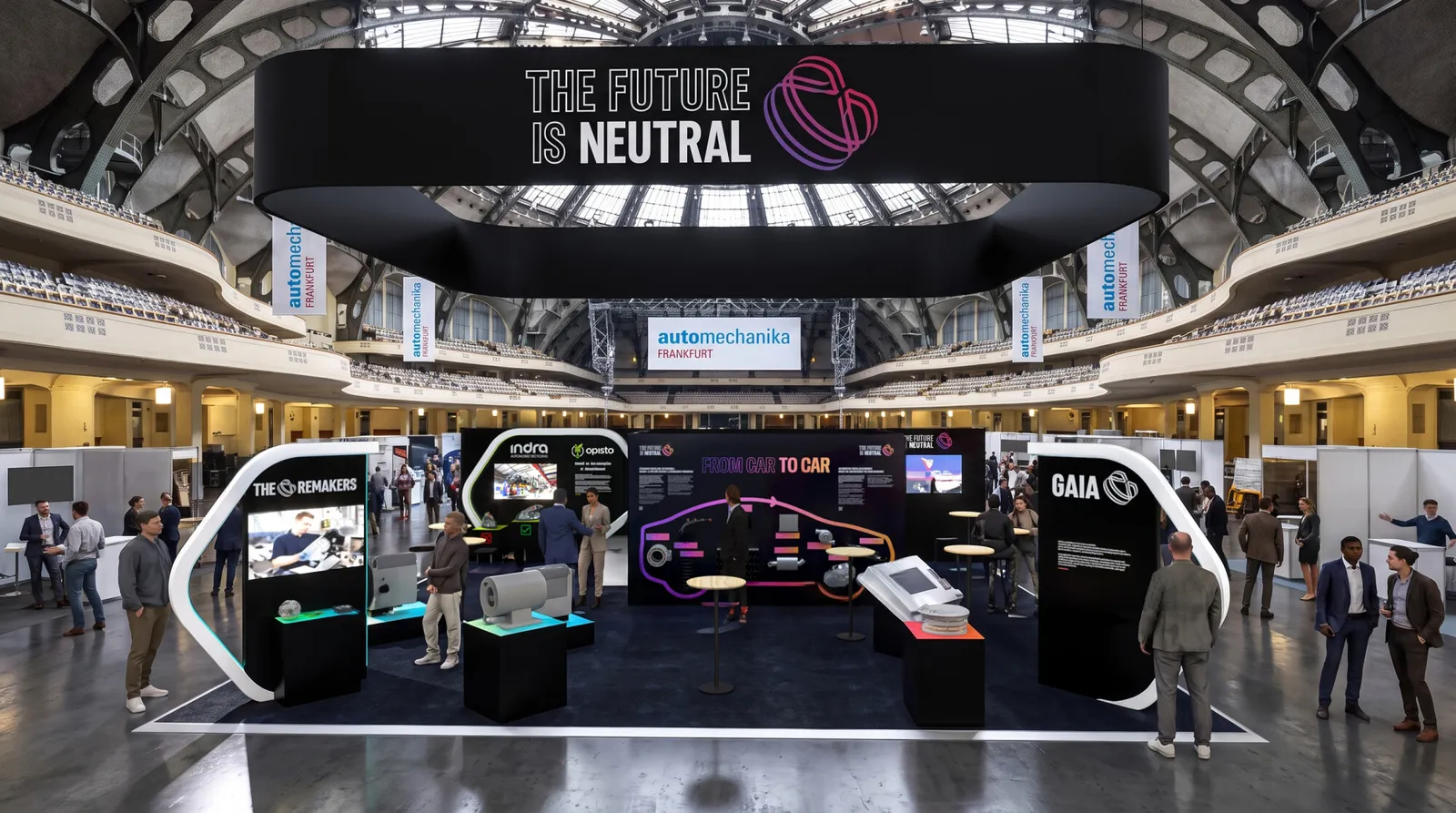
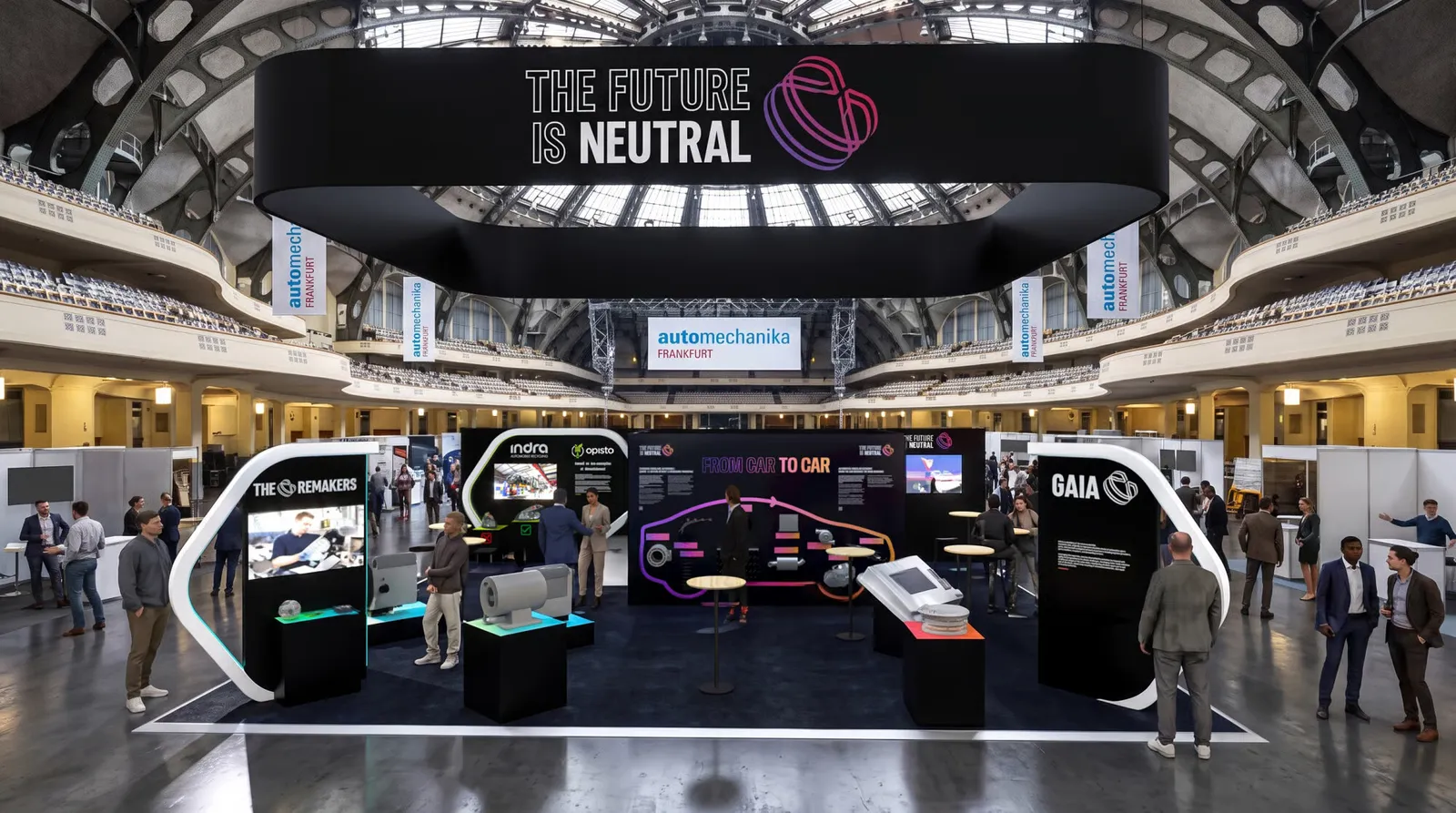
At the Automechanika trade show in Frankfurt, The Remakers, a division of The Future is Neutral, is introducing a new refurbishment service focused on Renault’s 6AM electric motor. This wound-rotor synchronous motor is used in the Renault Mégane E-Tech and Scénic E-Tech models. Its unique feature is that it operates without permanent magnets, meaning no rare earth materials are required for its rotor.
Instead of being recycled after disassembly, used engines can now be recovered, inspected, and restored to function so they can return to the spare parts market. Renault claims that their performance and reliability are then comparable to those of new engines. There are also financial advantages.
According to The Remakers, a refurbished engine can be sold for about 30% less than a new one. This represents a significant difference when the first generations of electric vehicles exceed their warranty period.
Up to 67% less environmental impact
Renault is not starting from scratch in this area. The Remakers already refurbishes the 5A engine used in Zoé and Kangoo models, as well as certain power electronics components. A study conducted by Quantis for the company also highlights the environmental benefits of this approach. Out of five indicators analyzed, refurbishing an electric engine could reduce its impact by at least 67%.
Also read
This Renault subsidiary will collect used batteries from electric vehicles
The explanation lies mainly in the reuse of costly-to-produce materials such as copper, along with various electronic components. It is clear that as electric vehicles age, the ability to repair their key parts rather than always replacing them with new ones could become a significant factor.