
Renault has an advantage over Chinese electric cars: this is the winning formula
Renault understands that in a market where it’s increasingly difficult to distinguish cars from one another, design can become just as important as technology. Electrification has opened up many possibilities for designers, but it has also led to many new models sharing very similar proportions, aerodynamic solutions, and visual elements.
The French brand is trying to break away from this trend by bringing back some of its most recognizable names from history. The Renault 5, Renault 4, and Twingo are part of this strategy, with the stunning Renault 8 Gordini prototype joining them—something that has left a strong impression on everyone. Behind this move is more than just nostalgia: Renault believes reviving elements from its own past can be a way to differentiate itself from competitors.
The concept was explained by Alexandre Malval, Renault’s Design Director since January 2026. The designer, who previously led design at Citroën and a European studio for Mercedes-Benz, believes the brand’s heritage can play a particularly important role in an era where differences between many cars are becoming increasingly small.
The Renault 8 Gordini shows how far the retro strategy can go
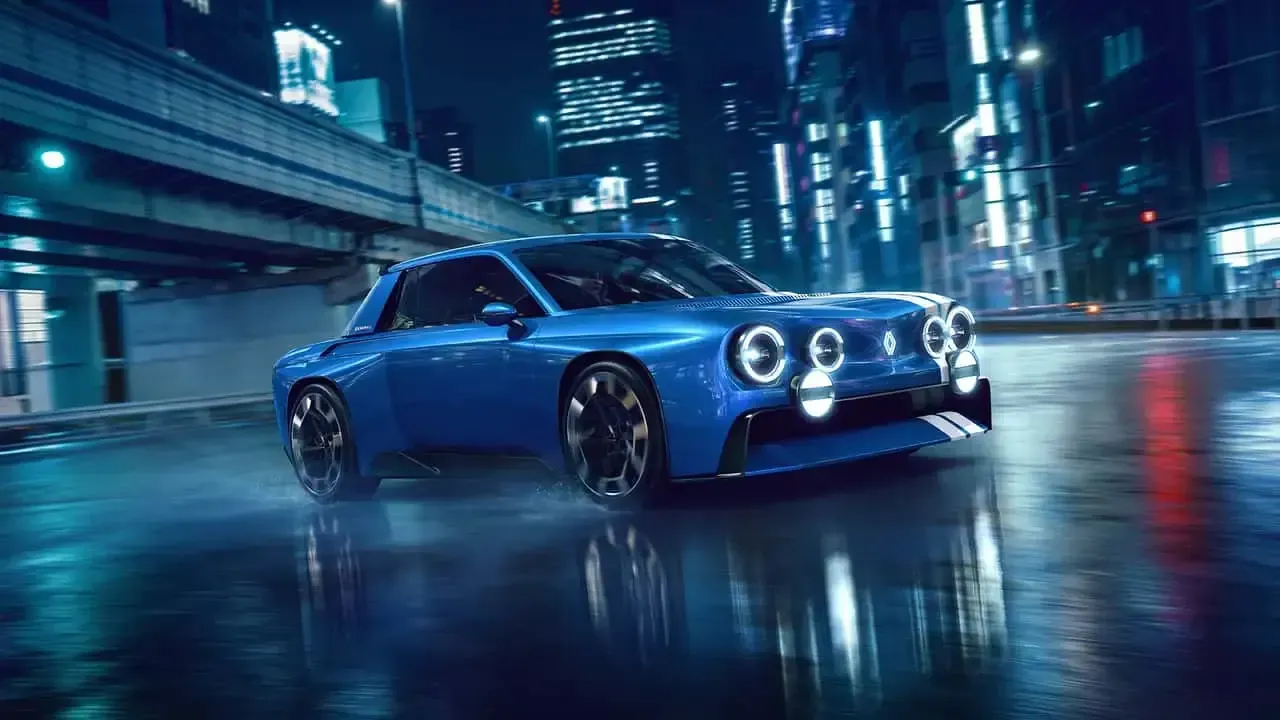
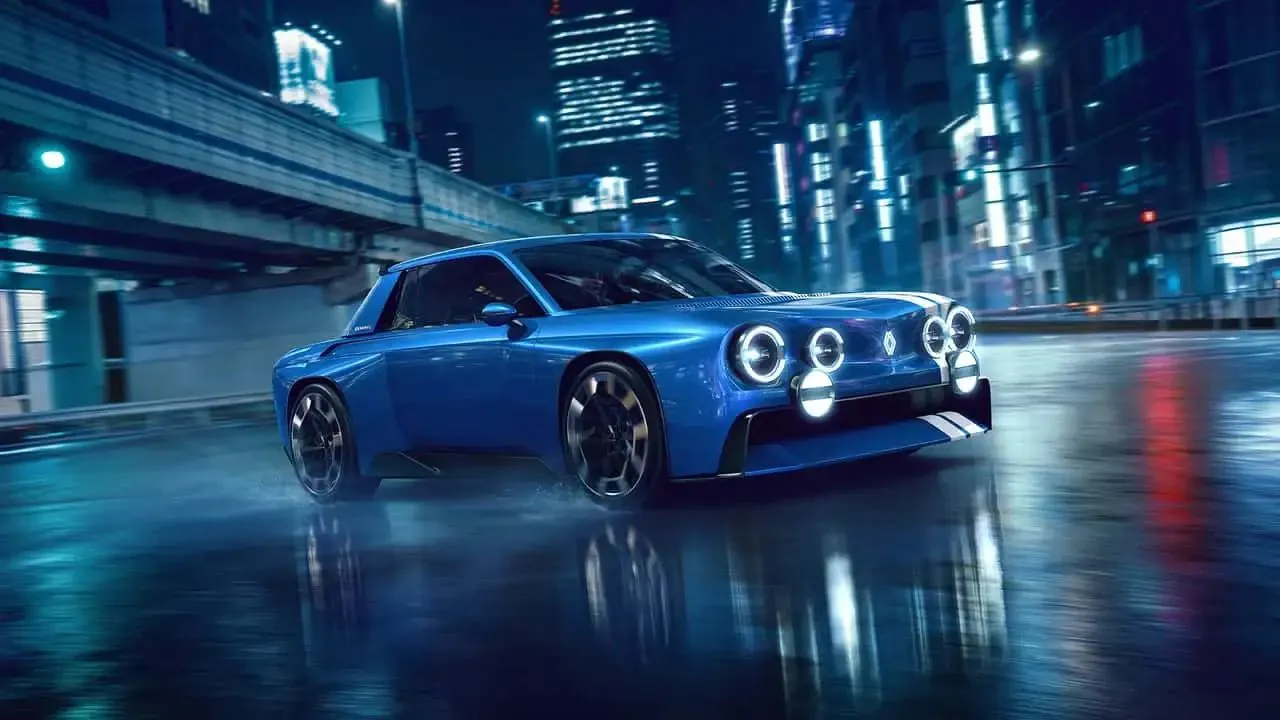
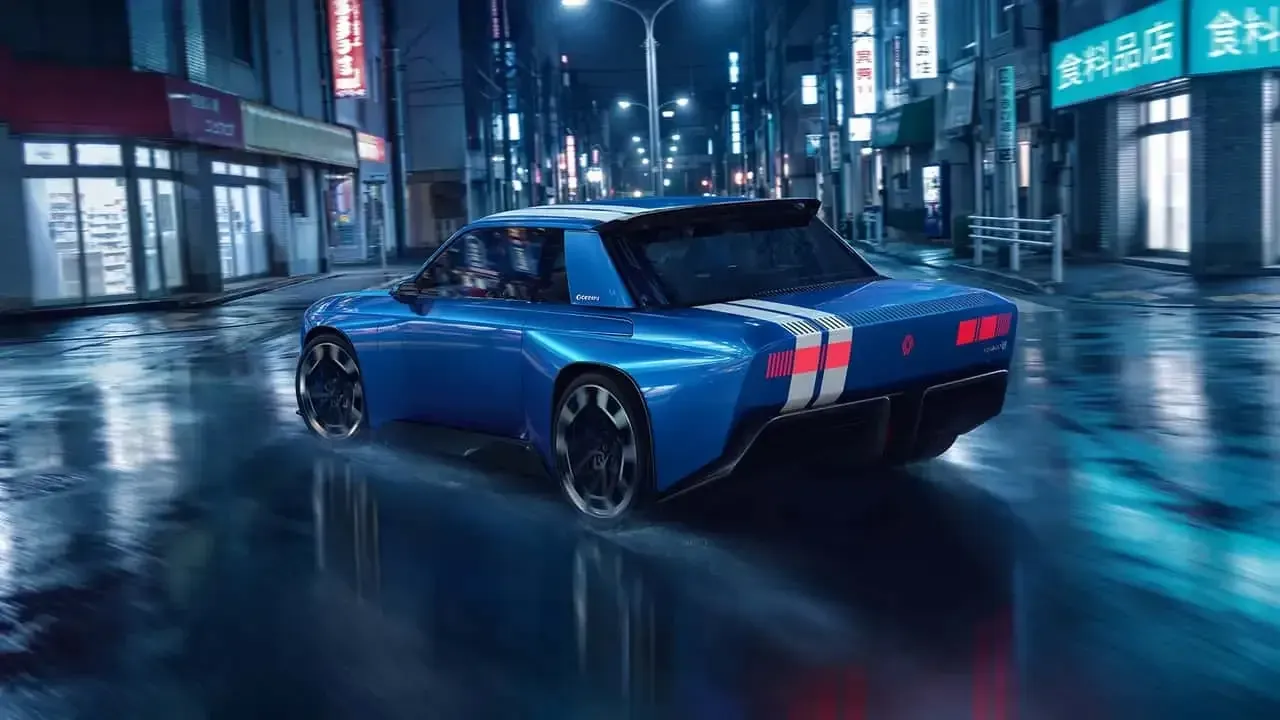
Renault’s philosophy is best understood by looking at the Renault 8 Gordini Concept. This prototype revives the image of the iconic 1960s sports car and brings it to a completely modern format, featuring a two-seater body, electric propulsion, and an aesthetic clearly inspired by the world of competition.
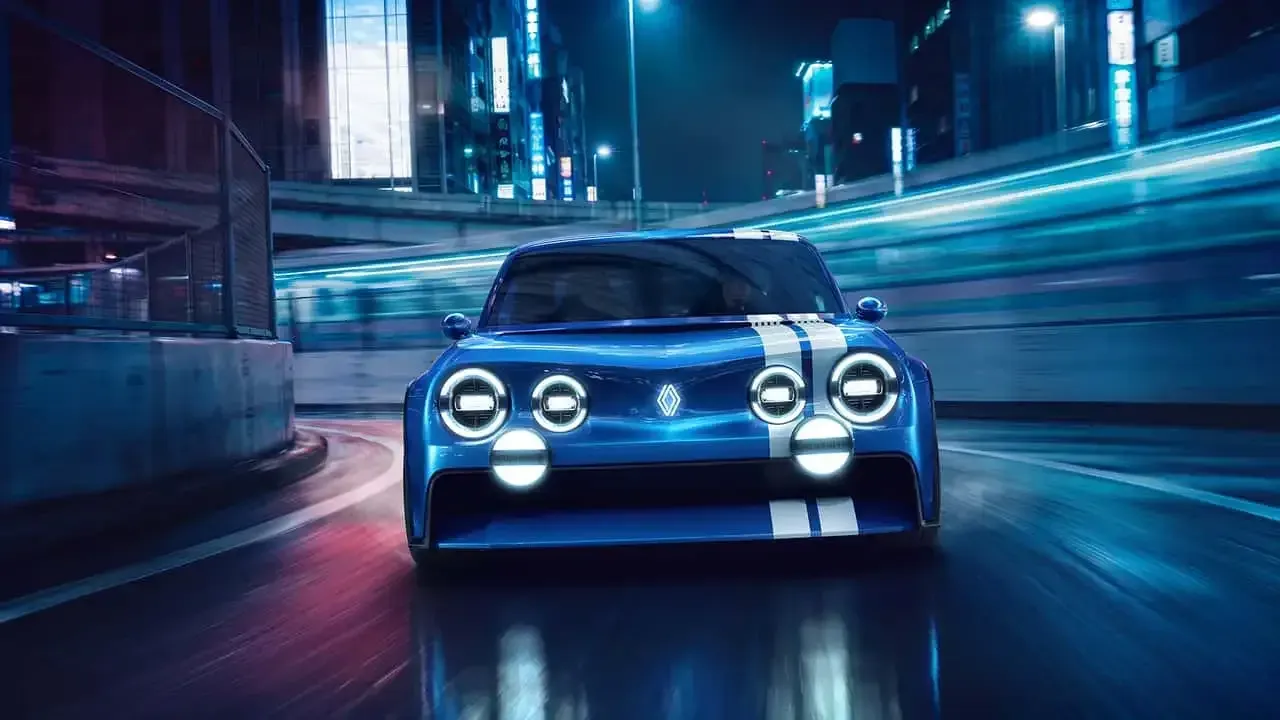
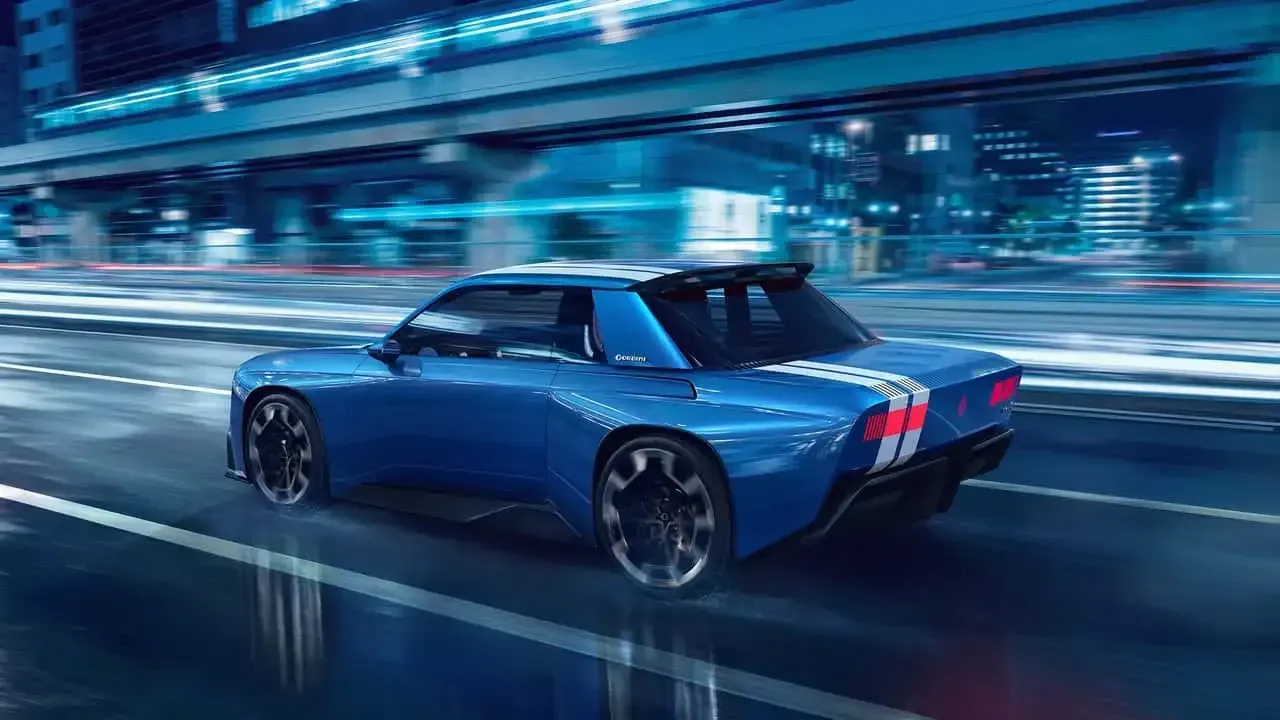
Renault did not simply attempt to recreate the original model. The result combines recognizable elements from the R8 Gordini, such as the double white stripe, with much more modern solutions. The prototype boasts 270 horsepower and an electric motor located at the rear, thus maintaining one of the fundamental characteristics of the historic model: its propulsion system. It also features striking 19-inch wheels at the front and 20-inch wheels at the back.
But what’s interesting for Renault is precisely what the car represents. The brand has grouped the Renault 5, Renault 4, Twingo, and now the Renault 8 Gordini under its “Classic Icons” philosophy, while other models such as the Rafale, Scénic, and Mégane represent a second approach aimed at creating icons that will define the brand’s future.
It’s a strategy that’s quite easy to understand. A car has a practical side, for getting from point A to point B, but it also has an emotional aspect. And a completely new design with its own identity is less fleeting and more distinctive.
Malval believes that this is precisely one of the great strengths of the retro approach. If another manufacturer were to directly copy the features of a Renault 5 or a Renault 8 Gordini, the result would lose much of its meaning because it would be attempting to appropriate codes that belong to another brand. Renault’s past thus becomes a kind of shield against market uniformity.
It’s not just about bringing back well-known names. The brand is trying to build a recognizable identity around them and transfer it to a new generation of electric cars. The Renault 5 and Renault 4 are likely the clearest examples of this strategy, while the Renault 8 Gordini Concept takes the concept a step further by showing that it can also be applied to much more sporty models.
The choice of the R8 Gordini is also not arbitrary. Renault has revived one of the names most closely associated with its sporting history, but transformed it into a two-seater electric prototype. The result maintains an emotional connection to the past without attempting to create a literal replica of the original car. Renault presented this concept as a stylistic exercise aimed at exploring how that legend could be reinterpreted in today’s world.
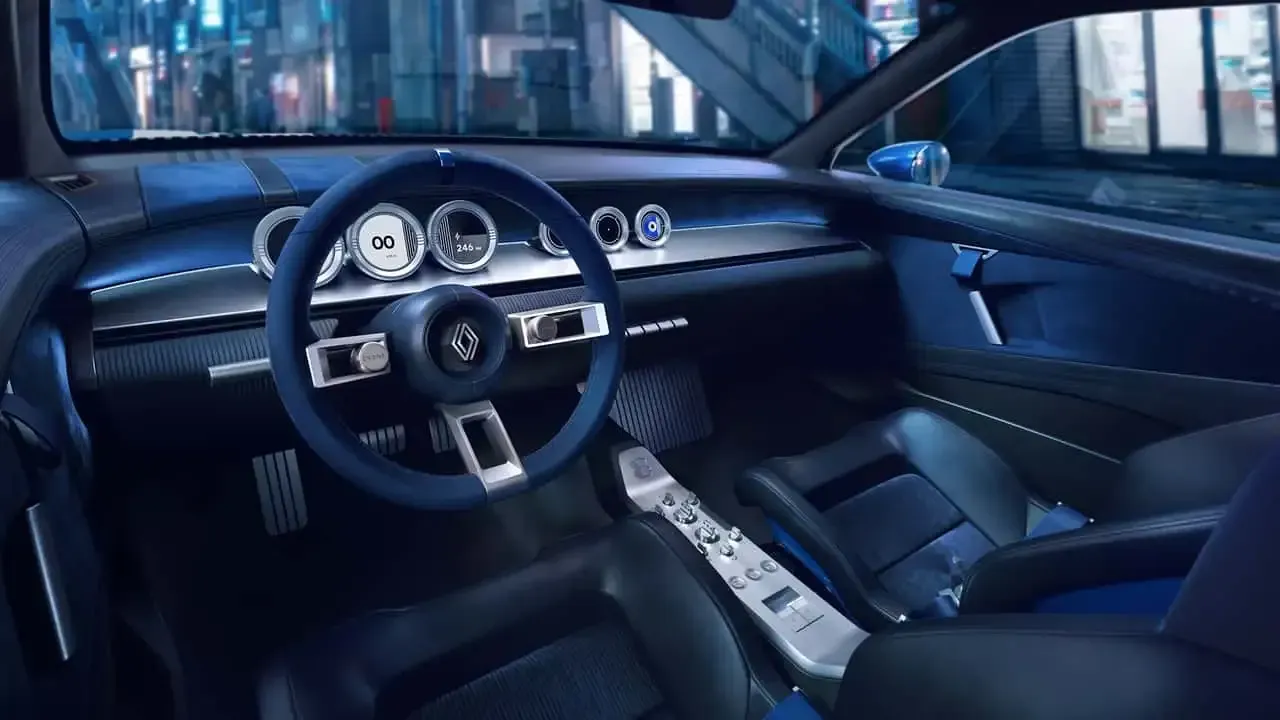
There’s another interesting detail in this philosophy. Renault doesn’t want technology to completely dominate the interior design of its cars. The Renault 8 Gordini Concept features an cockpit that’s very different from what we’re used to seeing in newer models, with a minimalist approach, aluminum materials, and small circular digital instruments instead of a huge central screen.
This is a particularly striking decision at a time when many manufacturers seem to compete to fit the largest possible screen in the dashboard. With the R8 Gordini, Renault has chosen a solution that’s much closer to the philosophy of a traditional sports car, featuring physical controls and instrumentation limited to essentials.
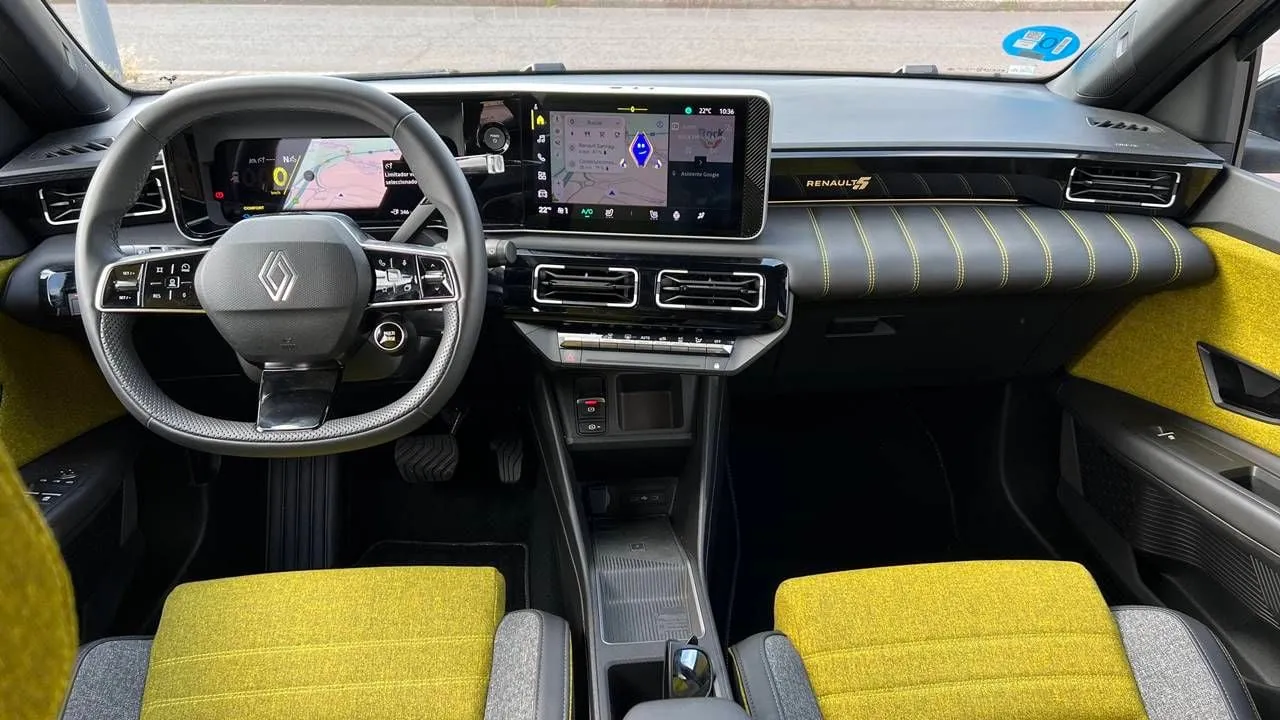
Malval acknowledges, however, that applying this solution directly to production models would be complicated. Current customers demand connectivity, integration with mobile phones, apps, and digital services, so Renault does not seem willing to give up screens in its mainstream models.
The door remains open, however, for creating different interiors in future more radical cars. Renault’s design leader believes there could be room for a model where the screen no longer takes center stage and the information displayed to the driver is reduced to what’s absolutely necessary.
The Renault 8 Gordini Concept itself serves as proof that such a possibility exists. It isn’t necessarily intended to preview a car that will reach dealerships, but rather to show how far Renault can take its design philosophies when it doesn’t have to meet all the requirements of a family vehicle.
The brand has already confirmed that the Renault 8 Gordini Concept will be displayed to the public at the Paris Motor Show from October 12 to 18, 2026.
At its core, Renault is trying to solve one of the major challenges facing the automotive industry: how to make a car stand out in an increasingly homogeneous market. The French brand’s solution lies in looking back to shape the future.
The strategy also has an obvious advantage. Renault doesn’t need to invent from scratch an identity it already possesses. It has decades of recognizable models, names with a huge historical weight, and designs that are part of the European automotive imagination. Electrification allows it to reinterpret these elements with much greater freedom than before.
The Renault 8 Gordini Concept is probably the most extreme example so far, but the direction was already clear with the Renault 5 and Renault 4. Renault wants its electric cars to be not just new models, but ones that are instantly recognizable as Renault. And in a market where technology may end up being shared by many manufacturers, that identity can become one of the hardest things to copy.