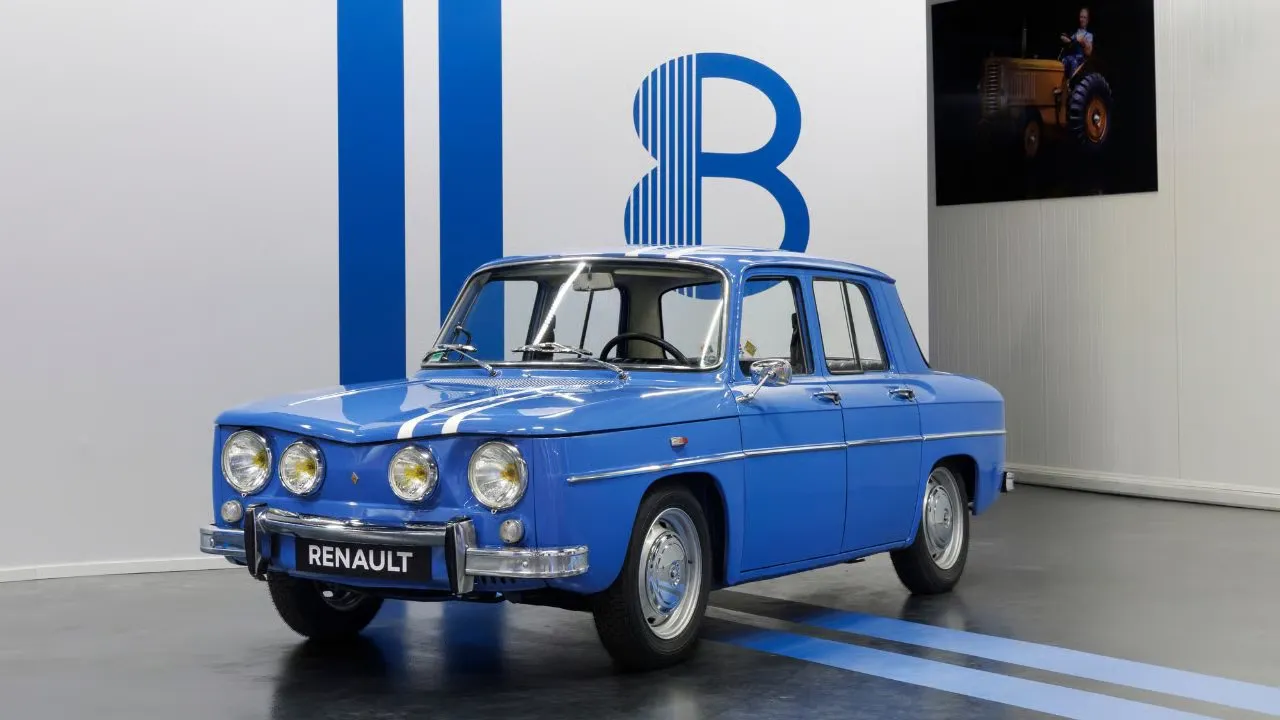
Renault brings back the R8 Gordini with an electric engine!
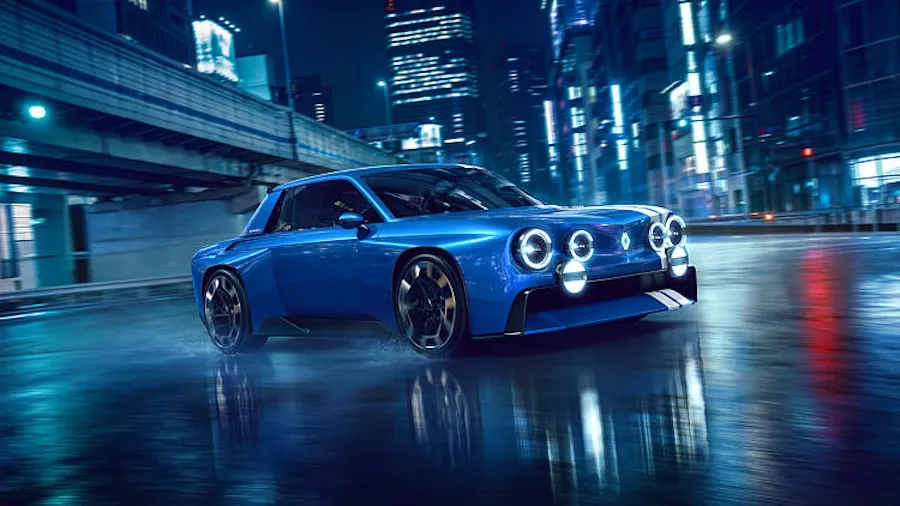
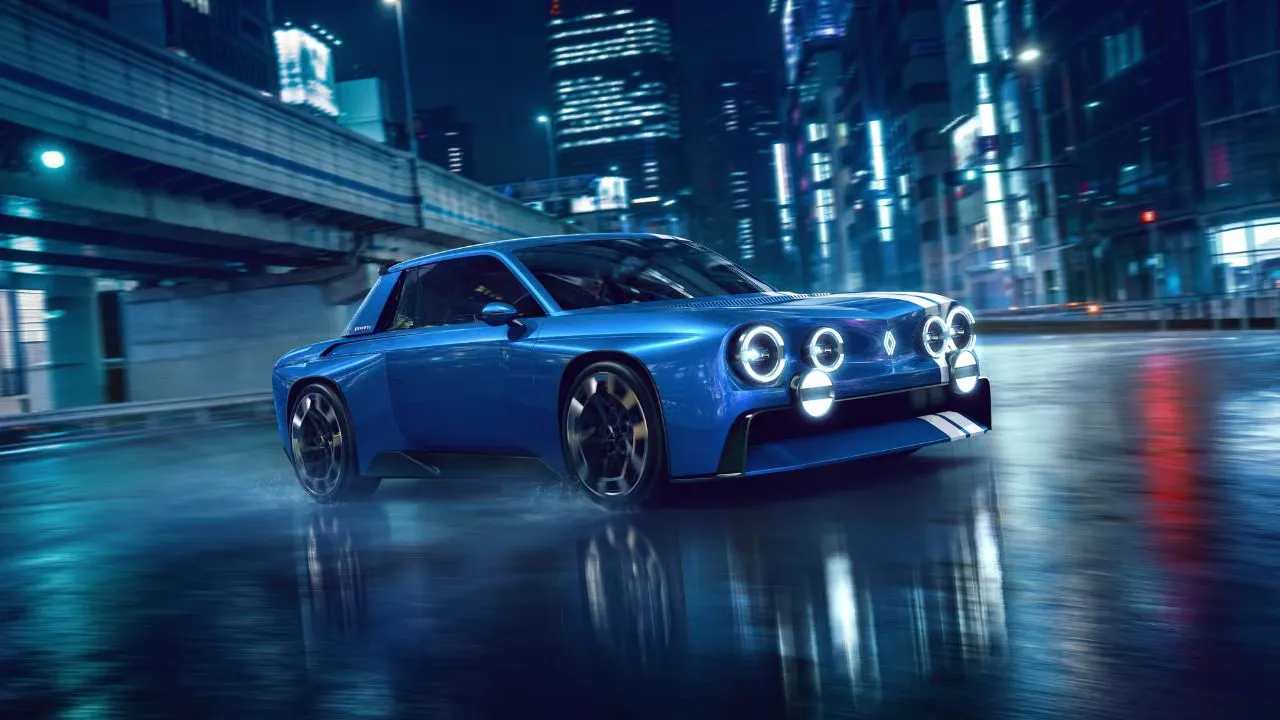
The famous 1960s sports car has been reimagined as a fully electric compact coupe. But it’s purely a stylistic exercise with no plans for commercial release!
Nostalgia will (once again) sweep through the World Motor Show. Alongside the 2CV, another French icon is set to make a comeback: the R8 Gordini! While the 2CV prepares for a series production return, the R8 Gordini will remain at the concept car stage.
Renault has no intention of reviving this vehicle like it did with the R4 and R5 models. This is simply a stylistic effort, part of the brand’s ongoing efforts to preserve its heritage. There was already an R17 in a restomod version two years ago.
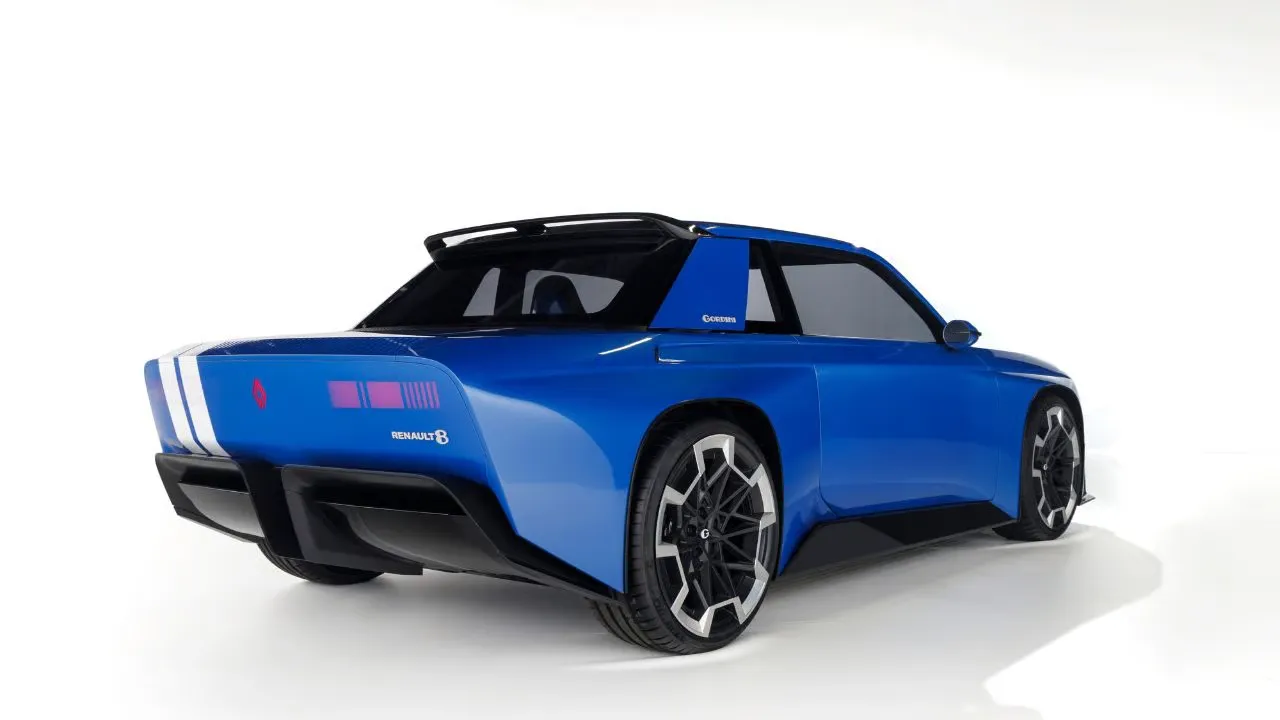
For those who may not be familiar, the Renault 8 Gordini was introduced in 1964. It stood out as an affordable sports car long before the GTI era, serving as a training vehicle for generations of drivers, both amateur and professional, thanks to its “all-back” design concept. It was named after Amédée Gordini, a mechanical genius who could transform a conventional engine into one suitable for a sports car. The Gordini version came equipped with 95 horsepower, almost double that of the standard model.
Two-door coupe
Unlike the R17 project, which was designed in collaboration with renowned designer Ora Ito, this model was conceived internally through a competition held within Renault Design. As proof that the R8 Gordini continues to inspire future generations, over 300 sketches were submitted, featuring a wide variety of ideas. Two projects stood out, and the model we see today is a synthesis of those two concepts.
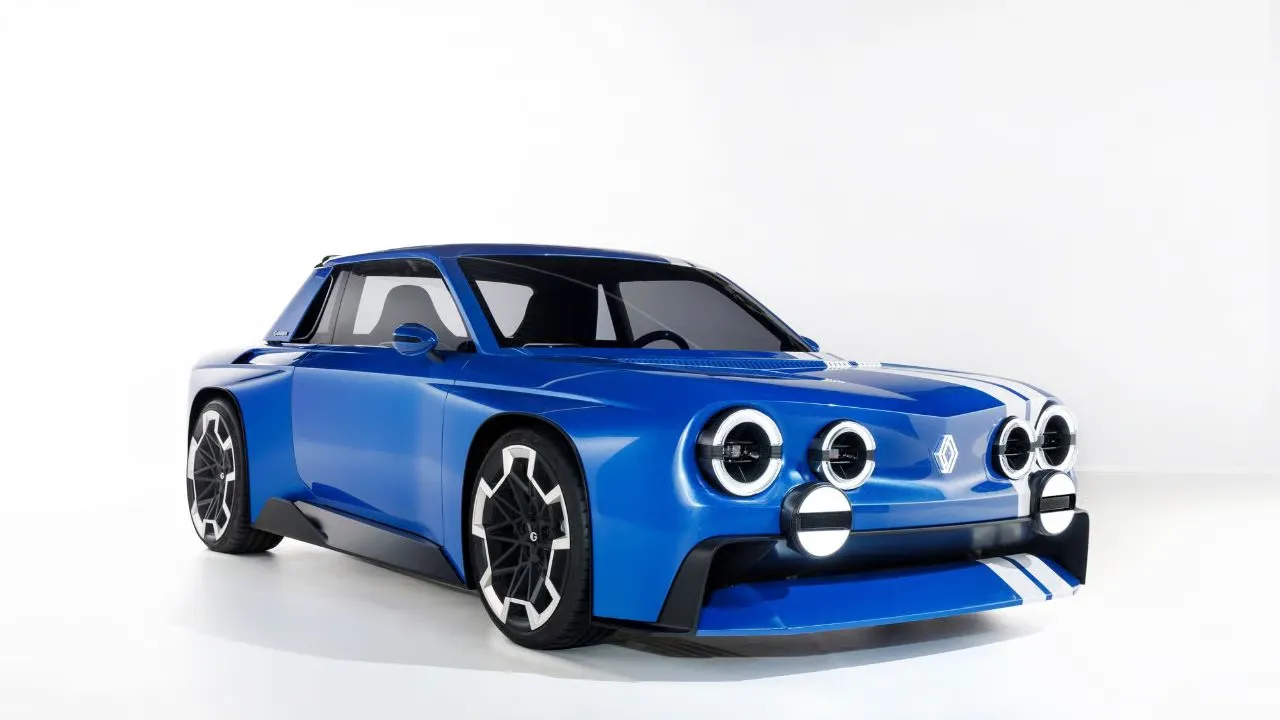
While its design closely resembles that of the R8, this concept makes a significant departure: it is no longer a small sedan but a two-door coupe. It remains compact, with a length of only 4.12 meters, 12 cm longer than the original model. However, the proportions are altered by a widened width that increases from 1.49 meters to 1.88 meters! Another major change over the decades is undoubtedly the size of the wheels, featuring 19-inch tires at the front and 20-inch tires at the rear.
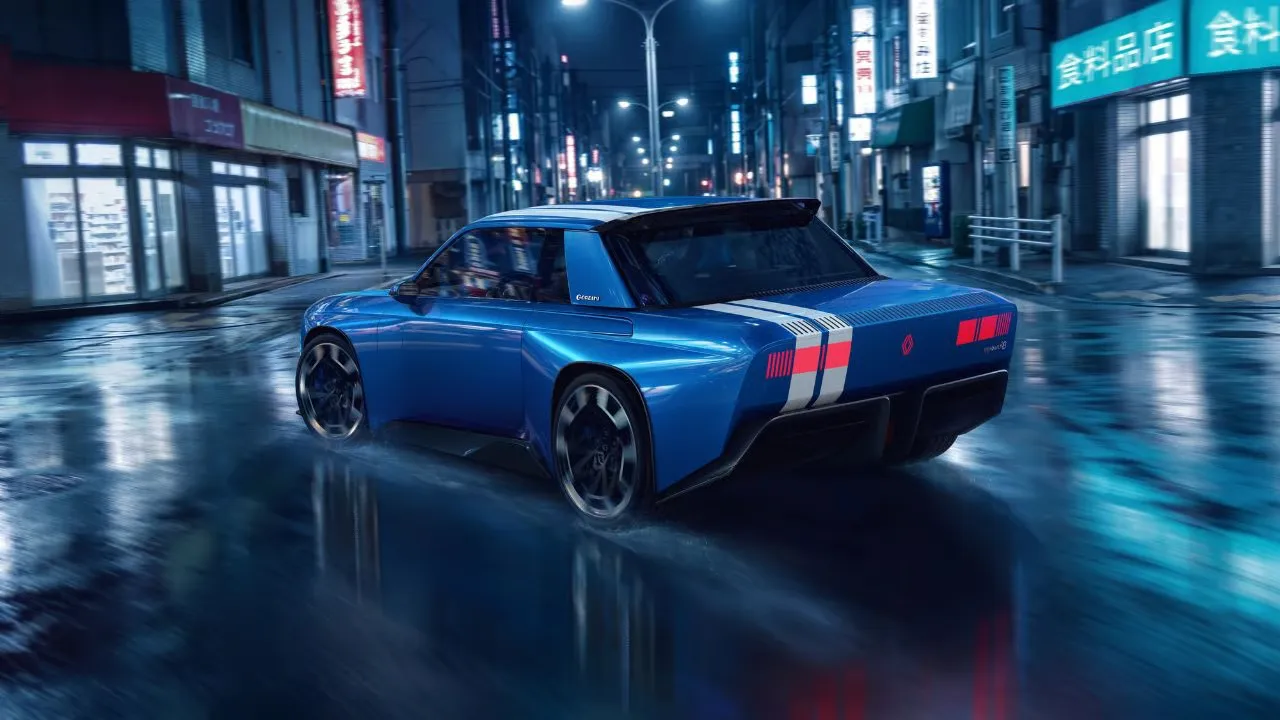
For Renault, this concept fits within the “coffee racer” trend popular in the two-wheeler world (which involves modernizing old motorcycles by simplifying their designs and highlighting the raw beauty of materials and mechanical parts). This results in streamlined shapes here.
Of course, the essential gimmicks are retained. It starts with a front end without a grille, straight ahead facing the road, featuring round headlights—six in total here, just like on the rally version. It continues with a long “V”-shaped hood, a grille at the bottom of the windshield, bullet-shaped mirrors, and embossing along the side panel that directs air toward a small air intake. The prominent fuel tank is also present. The rear end has been given a slight slope “to emphasize dynamism.” Obviously, this model is dressed in blue with the famous two white stripes.
270 hp
On board, it’s more difficult to achieve a neo-retro style given the evolution of cars over 60 years. So, subtle nods to that era are used, such as the cross-brimmed hat. The dashboard with gauges has been reinterpreted—it becomes a flat aluminum panel with round digital dials featuring brushed aluminum outlines. The number of components and buttons is limited, with the goal of keeping focus on driving. The bucket seats are partially covered in blue velvet.
As for the technical details, almost nothing is known, as that isn’t the priority here. Renault only confirms the presence of a 270 horsepower electric motor placed at the rear to maintain the original rear-wheel-drive layout.
This modern R8 will be displayed at the Paris Motor Show (from October 12 to 18). It will later be on display at the museum that Renault is building in Flins, which is scheduled to open by early 2028.