
Renault updates the Scenic: LFP battery, up to 642 km of range, and faster charging
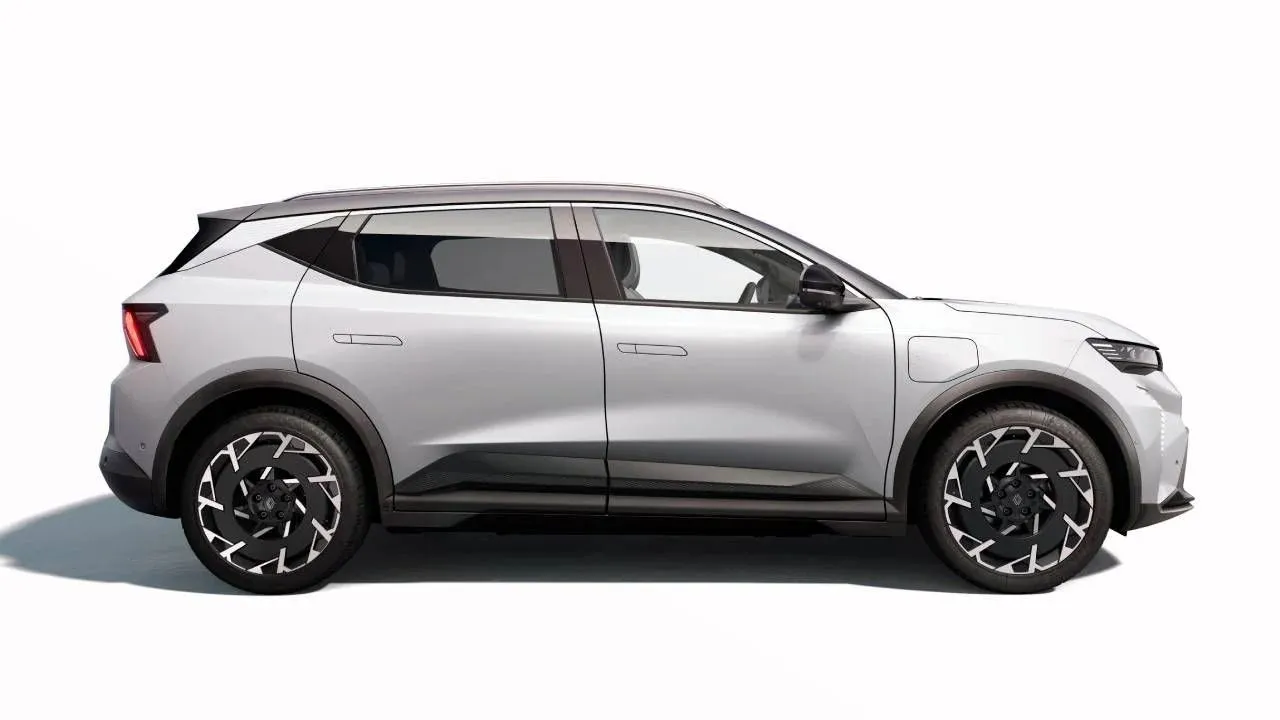
Following the successful launch of the Twingo, Renault has begun rapidly updating the rest of its electric lineup. Along with the recent restyling of the Mégane and the latest update to the R5, there’s now the new Scénic, which has seen significant technical improvements. With this move, the French brand aims to remain competitive in the C-SUV segment, the most important in Europe.
Aesthetically, the Scénic changes little compared to its predecessor; after all, it was introduced in 2023, so it remains a relatively new model. Externally, notable features include two new body colors (satin blue and gray), black glossy trim on the bumpers, and new 19- and 20-inch tires.
The interior has also seen some changes. First, the Techno finish now features new upholstery with a higher percentage of recycled materials. The dashboard is finished in black with a textured fabric and includes seam patterns in the shape of lightning bolts. The Esprit Alpine and Iconic variants come with new decorative trims.
The adaptive cruise control and active driving assistant have been updated to provide a more detailed analysis of the surrounding environment and traffic conditions. The Multi Target function can monitor multiple vehicles at once to identify those that are approaching or slowing down, resulting in smoother driving in heavy traffic. Additionally, the predictive eco-driving function can anticipate roundabouts, curves, and intersections. As with the rest of the range, the Multi-Sense system now features a new Smart mode that intelligently switches between different driving modes.
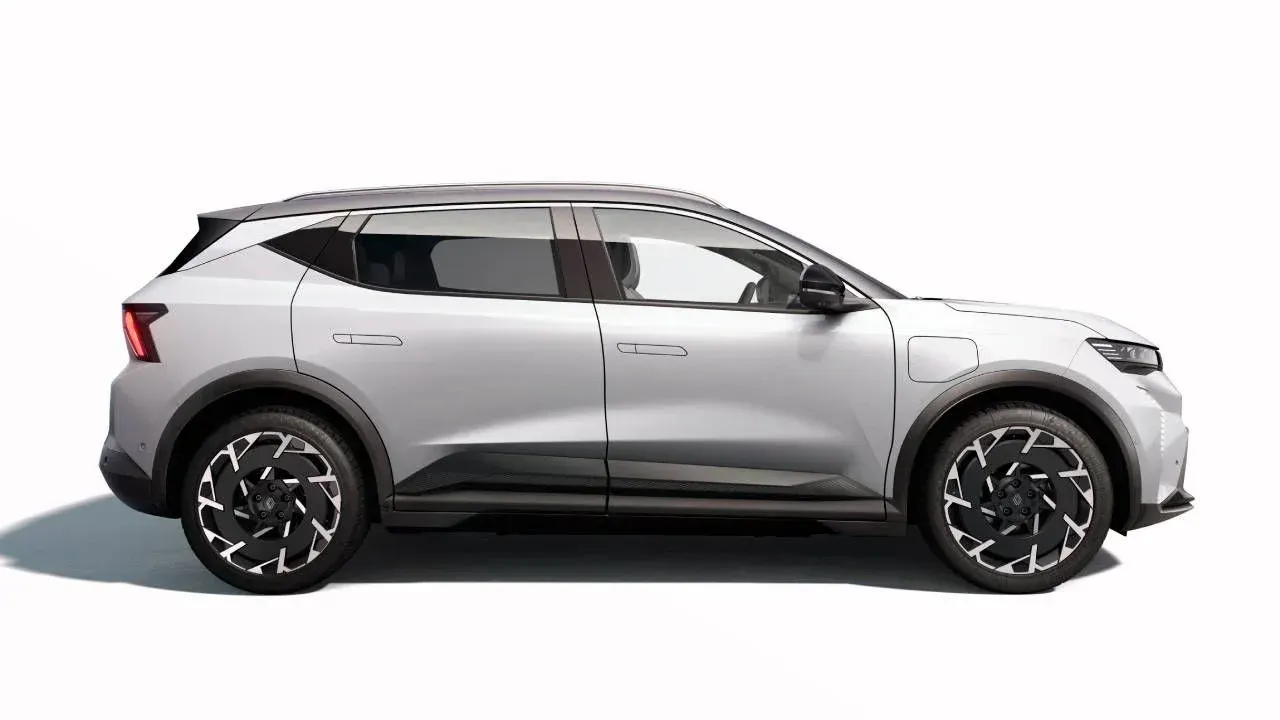
The new Renault Scénic also improves its technological features
But what’s truly interesting are the technical upgrades. The entry-level version drops its previous 60 kWh NCM (nickel, cobalt, manganese) battery in favor of the same 67 kWh LFP (lithium-iron-phosphate) battery used in the Mégane. It offers a WLTP range of 467 km (up from 430 km WLTP), charges 25% faster (15-80% in 24 minutes), and has a maximum continuous power output of 165 kW.
The LFP battery features a CTP (Cell-to-Pack) architecture and consists of 232 pouch cells in total. The higher-end version replaces its 87 kWh NCM battery with an 89 kWh NCM battery, increasing its WLTP range from 623 km to 642 km. Charging performance also improves: with a peak of 150 kW continuous power, it can go from 15% to 80% charge in 28 minutes. In both cases, the engine delivers 220 HP.
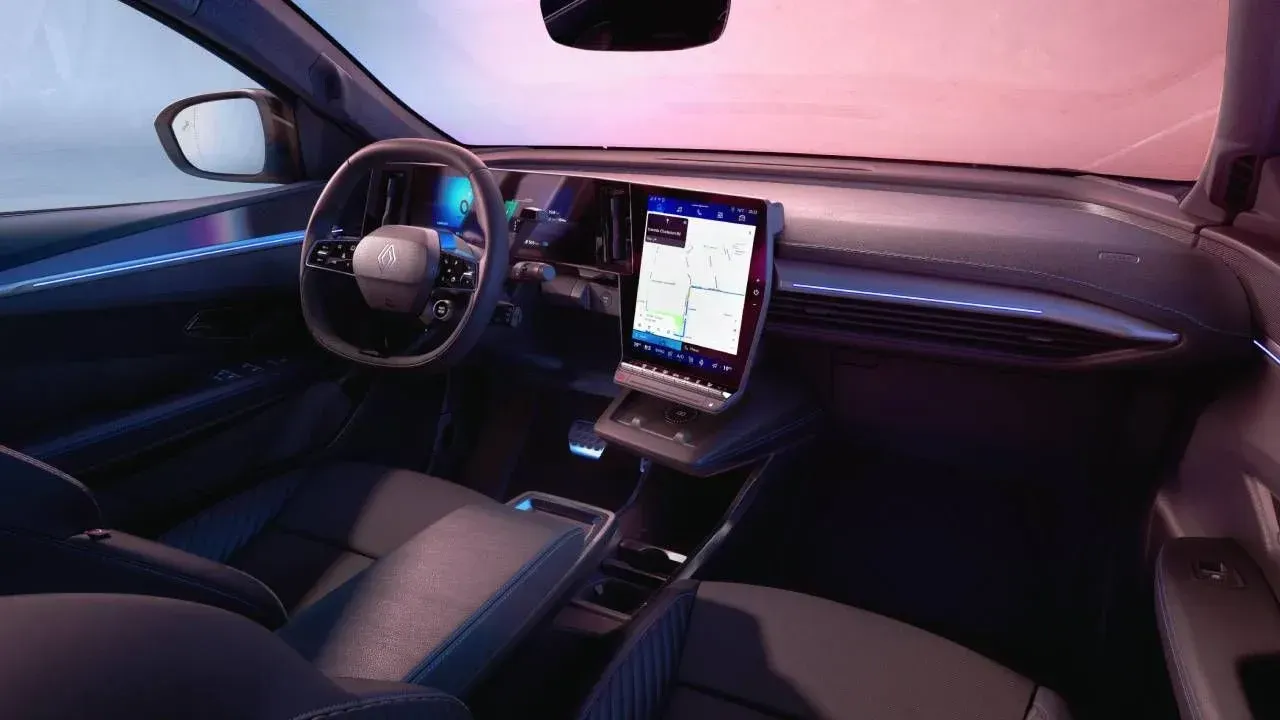
All versions include a driver monitoring system using a camera. In addition to detecting fatigue or distractions, it is also used to provide personalized greetings and automatically adjust the driving position, multimedia system, ambient lighting, etc. Lastly, we must mention the ventilated wireless charger for smartphones (standard Qi2 or MagSafe).
Source | Renault