
Renault is preparing a new generation of electric vehicles with a strong identity to compete with Chinese brands
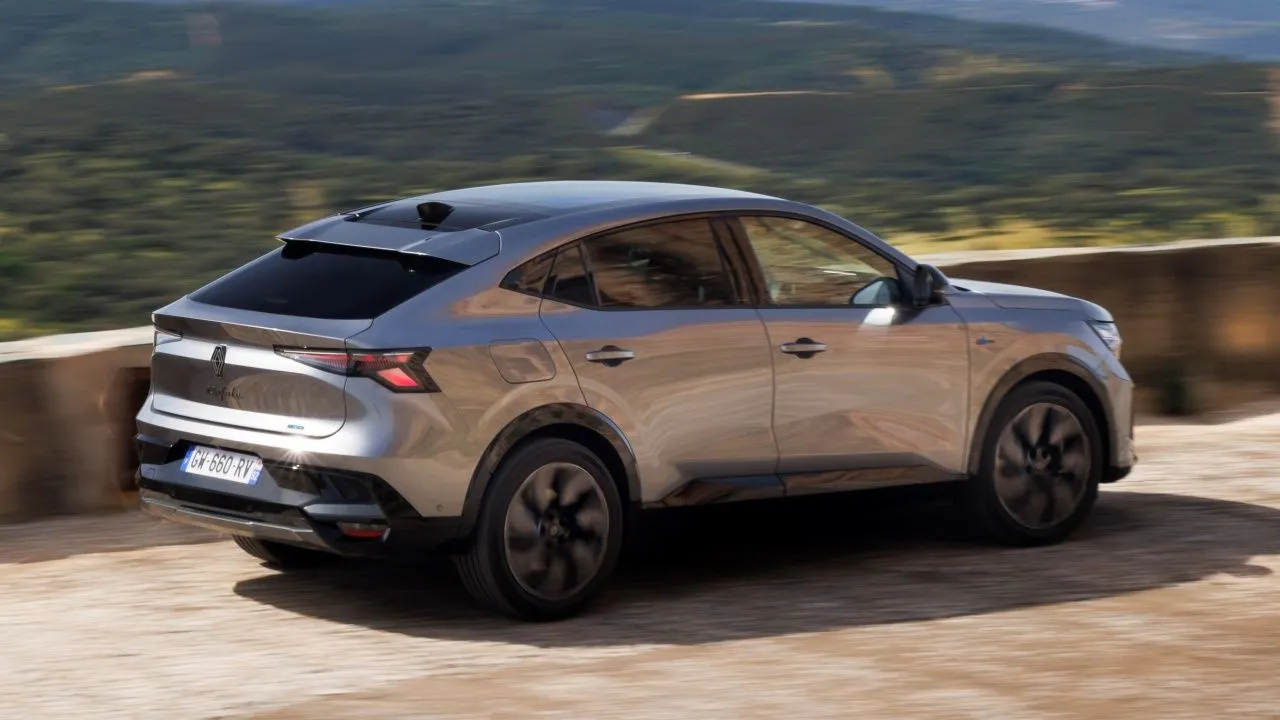
Recently, Renault assigned its new RGEV Medium 2.0 platform to its plant in Palencia. This architecture will serve as the basis for its next generation of compact and mid-size electric vehicles, starting with the electric Rafale in 2028 and continuing with the replacement of the Scénic in 2029. Alexandre Malval, the design director at the brand, is currently working on both projects.
In remarks to Auto Express, the designer explained his vision for the manufacturer’s future. “We are delving deeper into the brand’s DNA. What is Renault? Why is it attractive and different? ‘Voiture à vivre’ is a fantastic slogan that captures the core value of a company that targets everyone, offers cars worldwide, remains very affordable, and accompanies families and couples in their daily lives.”
At the upcoming Paris Motor Show in October, Renault will unveil a medium-sized prototype that may preview some features of the company’s future models. No details about the vehicle are available yet, but it is likely to be a mere show car rather than an advance preview of a specific production model.
"I am working intensively on the main lineup. Renault must be bold. My main challenge is to give strong personality to the cars we are developing for the C segment. It’s a segment I’m passionate about, and my extensive experience at Audi and Mercedes helps me understand customers."
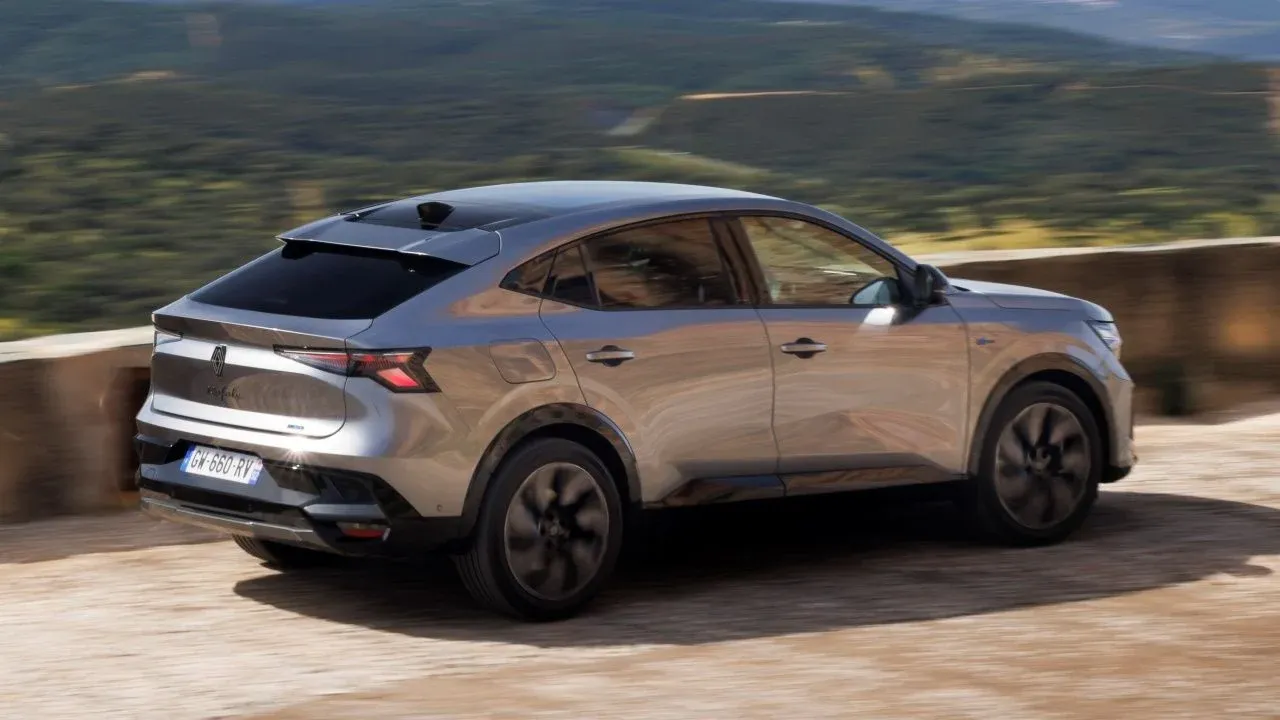
The electric Renault Rafale will make its debut in 2028
"We have maintained a positive exchange with the engineering department to give the cars a distinct personality. Ultimately, it’s a matter of costs, but I can adjust the proportions: wheelbase, wheel size, track width, everything, as long as it makes sense. François Provost, CEO of the Renault Group, is very attentive to achieving a good design, just like Fabrice Cambolive, CEO of the Renault brand. If we need to change anything to further improve the car, they will try to help us. There is currently a very positive and dynamic atmosphere surrounding the design."
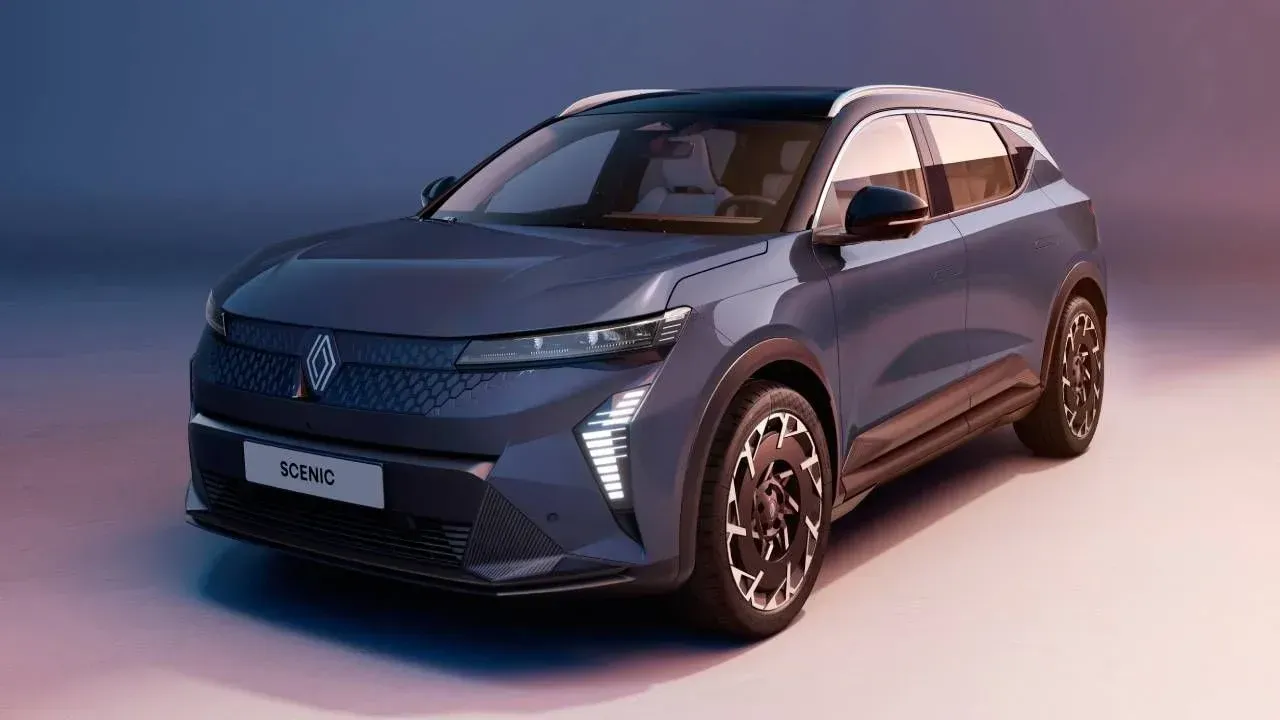
In any case, Malval will not pursue an overly aggressive design language, as he believes it does not align with Renault’s spirit. He will also strive to give each model in the range a distinct personality, avoiding the creation of clones that differ only in size. He advocates for a contemporary aesthetic as well: the next Scénic will not resemble its predecessor.
During the interview, the designer does not mention the brand’s three retro models: the Twingo, R5, and R4. In fact, these are three relatively recent models with a timeless design, so we could consider them a separate category within the lineup. The rest of the range will take very different directions.
Source | Auto Express