
Renault is preparing a major upgrade for the R5: the entire lineup will feature LFP batteries to compete with Chinese electric cars
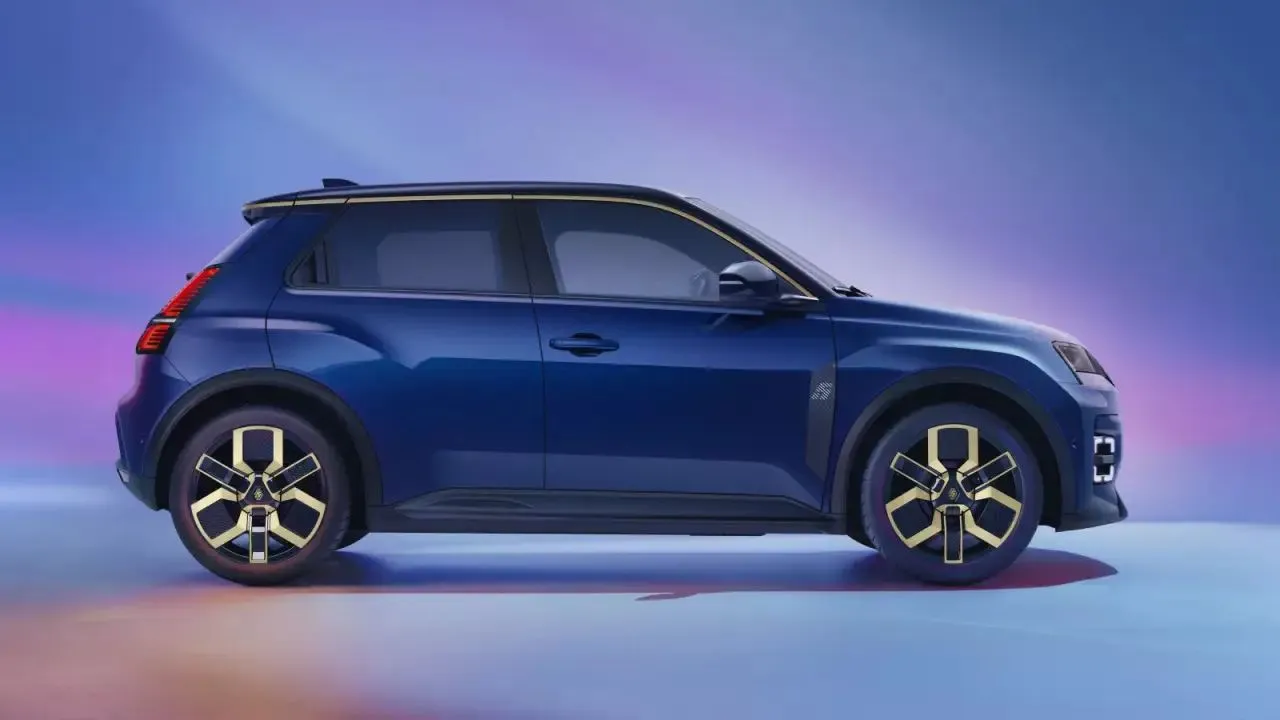
In the coming days, Renault will unveil the first major update to the R5, its flagship electric vehicle. The key improvements that this successful utility vehicle will receive have already been announced by the company or leaked over the past few weeks; however, what’s truly interesting is that these changes are a precursor to an even deeper evolution planned for 2027.
This summer, the 120 and 150 CV versions of the R5 saw their WLTP range increase from 312 km to 321 km and from 416 km to 431 km respectively, a gain thanks to the adoption of more aerodynamically designed mirrors as well as the use of an optimized energy management system. Additionally, the brand’s configurator in Belgium showed the replacement of the current 95 CV variant with a new 110 CV version.
The Five access model will be the first to feature a new engine that is not only more powerful but also more efficient. This powertrain will come with a new 36.5 kWh LFP (lithium-iron-phosphate) battery, replacing the previous 40 kWh NCM (nickel-cobalt-manganese) battery. Despite its lower capacity, range is only slightly reduced, from 310 km to 305 km WLTP. Additionally, 80 kW DC fast charging will now be standard.
All of this will come with some new equipment features: a new body color (Desire Red), gold tires, a cooled wireless smartphone charger, eCall compatible with 4G/5G networks, blue upholstery instead of yellow in the Iconic Cinq trim... Additionally, the Slate Gray color, previously exclusive to the Roland Garros edition, will be available on other trim levels as well.
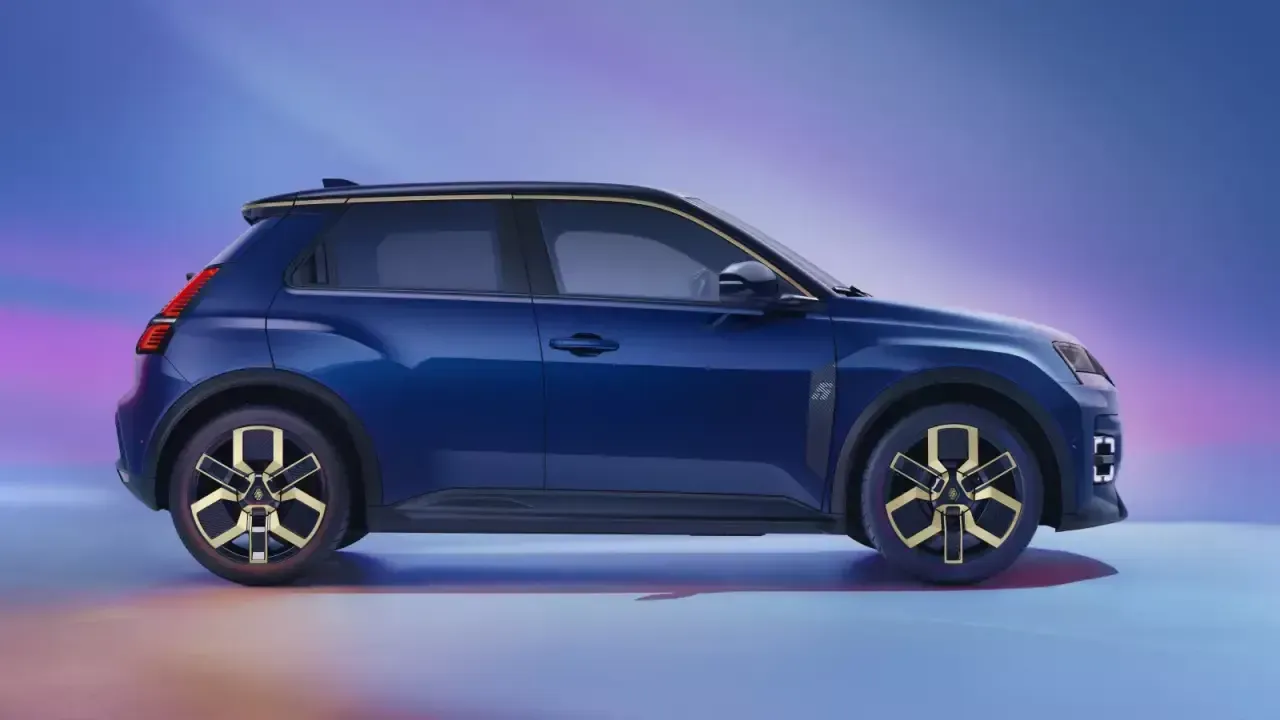
All the improvements featured in the R5 will also be available on the R4
As we mentioned at the beginning of the article, these updates will only be the start. Coming next year, the two remaining versions (120 hp with a 40 kWh NCM battery and 150 hp with a 52 kWh NCM battery) will also be replaced by newer models that offer better performance, higher efficiency, and longer range. According to information shared by some insiders at Worldscoop, the changes will be more substantial than expected.
Both the 120 hp and 150 hp engines will be replaced by new units with lower consumption. Contrary to all predictions, the mid-range version will not reuse the 36.5 kWh LFP battery seen in the Five model, but instead will feature a new 44 kWh LFP battery pack. This would give it a WLTP range of over 350 km.
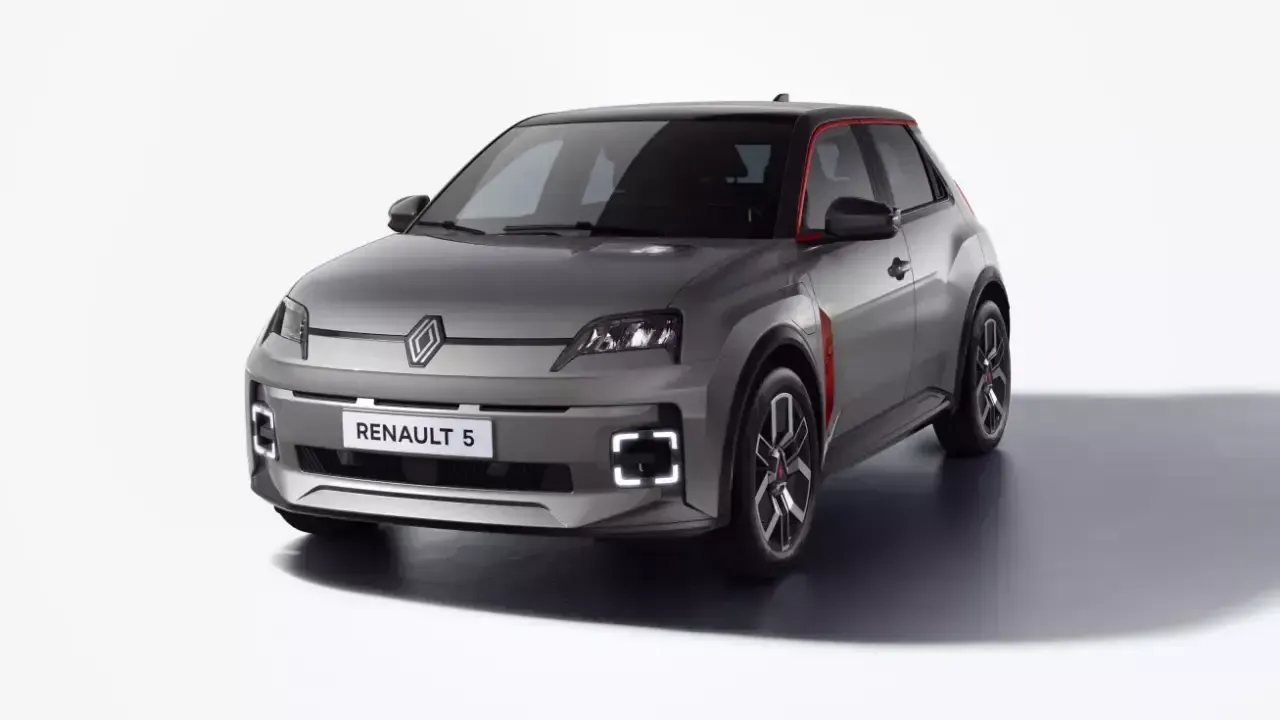
The real surprise is that the top-of-the-line model will also switch to LFP chemistry, featuring a 56 kWh battery pack that should enable it to achieve around 500 km of WLTP range. Based on the specifications of the recently updated Mégane and Scénic, adopting LFP cells could result in faster charging times (the Mégane and Scénic with 67 kWh LFP batteries can go from 15% to 80% charge in 24 minutes), as well as lower prices.