
Renault is developing a radically different Megane: up to 750 km of range and rear-wheel drive
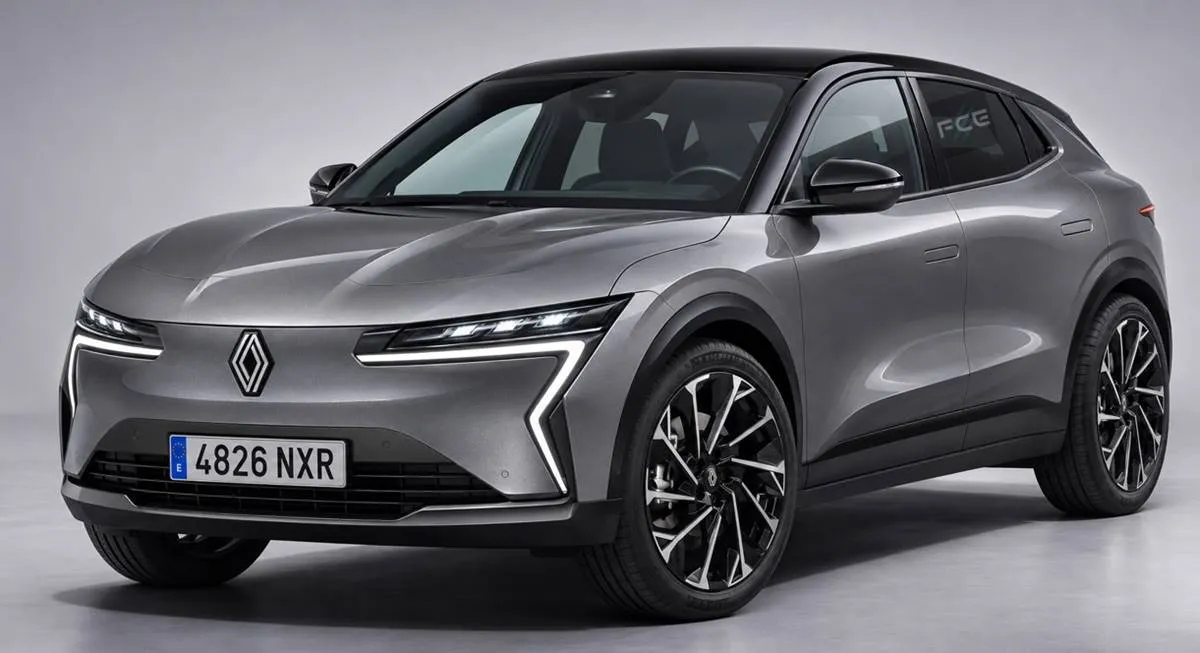
Renault aims to make a big impact with its next generation of electric cars. The Megane is set for a thorough transformation, both on the outside and inside, offering a more ambitious design to attract those seeking a comfortable family car for travel. This shift in approach should also address some of the limitations of the current model, whose compact-crossover blend has not fully convinced consumers as the brand had hoped.
The foundation of this project will be the RG EV Medium 2.0 platform, with the first model expected by 2028. Renault has already confirmed its use in future Scenic and Rafale models, while exploring how to integrate the next Megane into this new family. It’s important to note that while we know the goals of this architecture, there is still no final technical specification for the compact model nor a specific launch date.
This platform will enable the development of vehicles ranging from 4.30 to 4.80 meters in length, with a wheelbase of 2.85 meters. Such proportions allow for a Megane that is more spacious than the current model, which is 4.20 meters long, and offer greater flexibility in designing its body shape. The aim is to combine a long hood, short overhangs, and large wheels, without necessarily relying on the height of a conventional SUV.
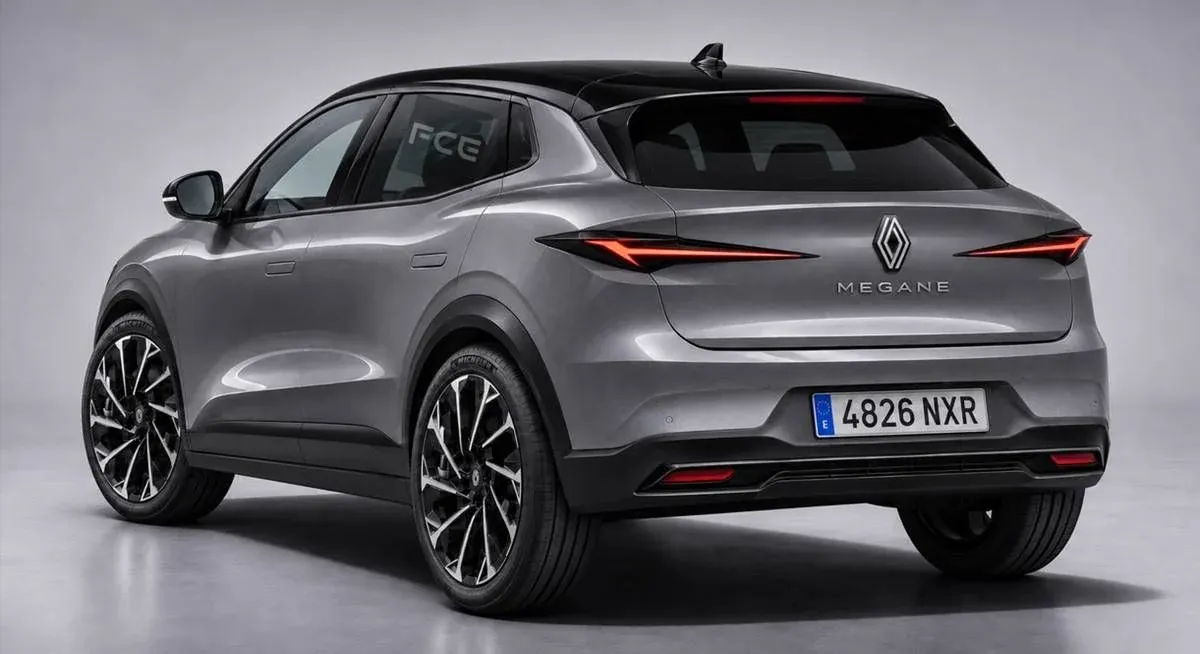
The group’s design leader, Laurens van den Acker, is aiming for exactly that middle ground: cars that are neither as tall as SUVs nor as low as sedans. For the Megane, this would mean rethinking its silhouette, with a body design where aerodynamics plays a major role. The renderings published by Auto Express explore this direction, though they do not show Renault’s final design.
We should also not expect another nostalgic approach like with the Renault 4, 5, or Twingo. In higher segments, the brand wants cleaner surfaces, fewer decorations, and an appearance that ages better. The E-Space prototype previews part of this philosophy, featuring a more subdued design that must maintain a certain personality without relying on excessive lines and folds everywhere.
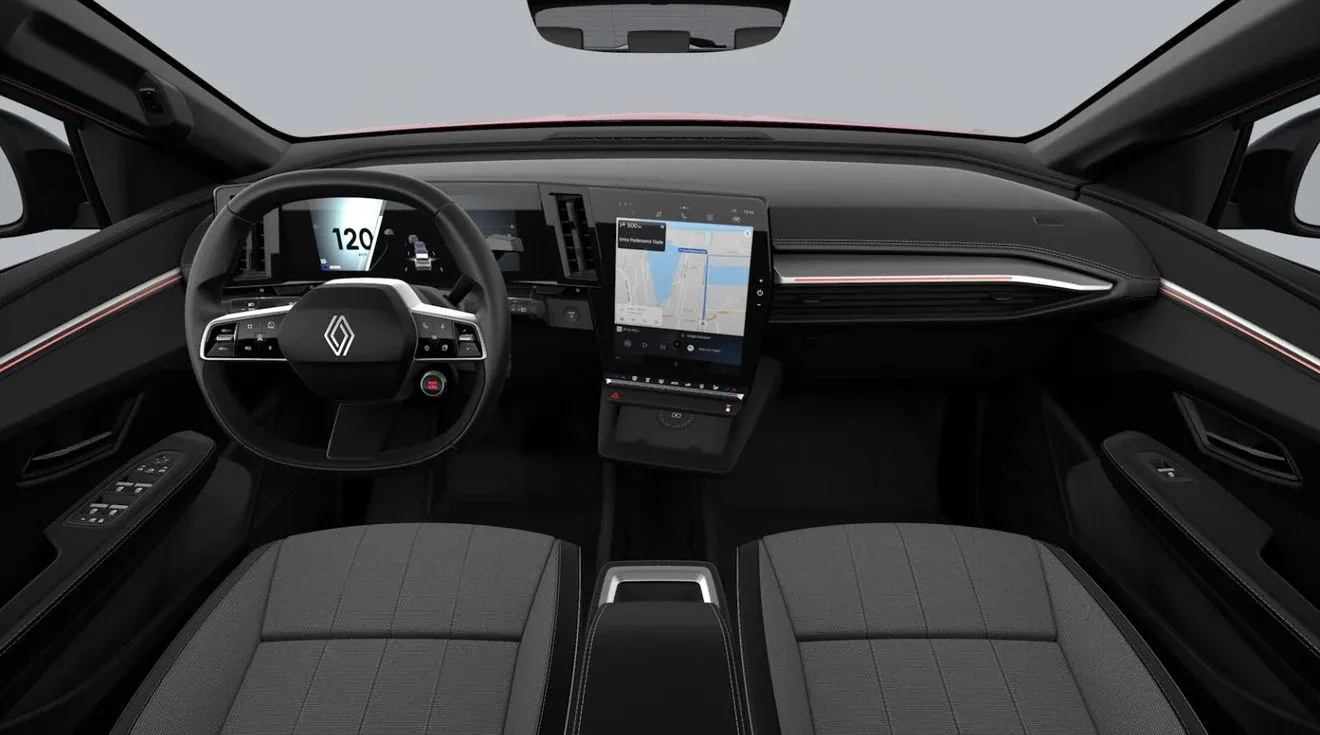
Inside, that same prototype serves as a reference for a panoramic screen located near the base of the windshield. The idea is to place the main information in a position that reduces the visual strain on the driver, while a second central screen would handle the controls. Renault also wants to give voice commands more prominence, although it remains to be seen how it will implement this concept in a production car.
Rear-wheel drive, LFP battery, and improved efficiency for travel
One of the most interesting changes will be under the chassis: the new architecture will feature rear-wheel drive. The single-engine configuration announced for this platform will deliver around 279 horsepower and 350 Nm of torque, with all-wheel-drive versions also available. These are specifications for the platform project, so we’ll have to wait to see what combinations the Megane will ultimately receive.
Philippe Brunet, Renault’s technical director, acknowledges that adjusting the behavior of the current front-wheel-drive Megane and Scenic models proved complicated. Moving the power to the rear axle will make it easier to manage the increased power output and allow for the reorganization of certain components. Among other things, the power electronics can be installed under the rear seats, reducing wiring and costs.
The base battery will be the current 67 kWh LFP battery, which provides an approved range of 500 km.
But the main focus will undoubtedly be on an LFP battery of around 90 kWh to achieve a WLTP range of approximately 750 km, with a total weight not exceeding two tons. This is the development goal outlined by Brunet for a C-segment car. It isn’t yet the approved range for the future Megane, but it is a fairly clear indication of the leap Renault aims to make.
To achieve this, the battery will be structurally integrated into the chassis using a solution known as cell-to-body, becoming part of the floor. The brand aims to make better use of space and reduce weight, rather than increasing range by using larger batteries. In theory, combining this integration with a cheaper chemistry is particularly attractive for a manufacturer that needs to keep prices accessible to a wide audience.
Added to this is a new electronic architecture, with software playing a central role in the car’s operation. Renault plans to share this investment across multiple models and lay the foundation for technologies such as mechanical-free steering, as well as Level 3 autonomous driving capabilities.
Regarding charging, Renault will finally adopt 800V in its next generation, allowing the Megane to achieve high power levels with shorter charging times. This addresses one of the main areas for improvement in the current generation.
Then there’s the price, likely the most important factor for Spanish buyers. Based on the 37,900 euros listed for the current 500 km range Megane, the next generation should aim to be cheaper. With competition intensifying, Renault will need to turn cost reductions in the platform and batteries into a tangible advantage for customers.
As an editorial estimate, a starting price between 33,000 and 35,000 euros before any subsidies would be an attractive target for Spain. This is not an announced price, nor does it mean the more advanced version would cost that much. However, it does indicate the direction Renault should pursue: improving space, efficiency, and touring capabilities while lowering the entry barrier. If all that technology ends up increasing the Megane’s price again, it will be much harder for these improvements to translate into higher sales.