
Renault Megane and Scenic models starting in 2028 with rear-wheel drive and a range of up to 750 kilometers?
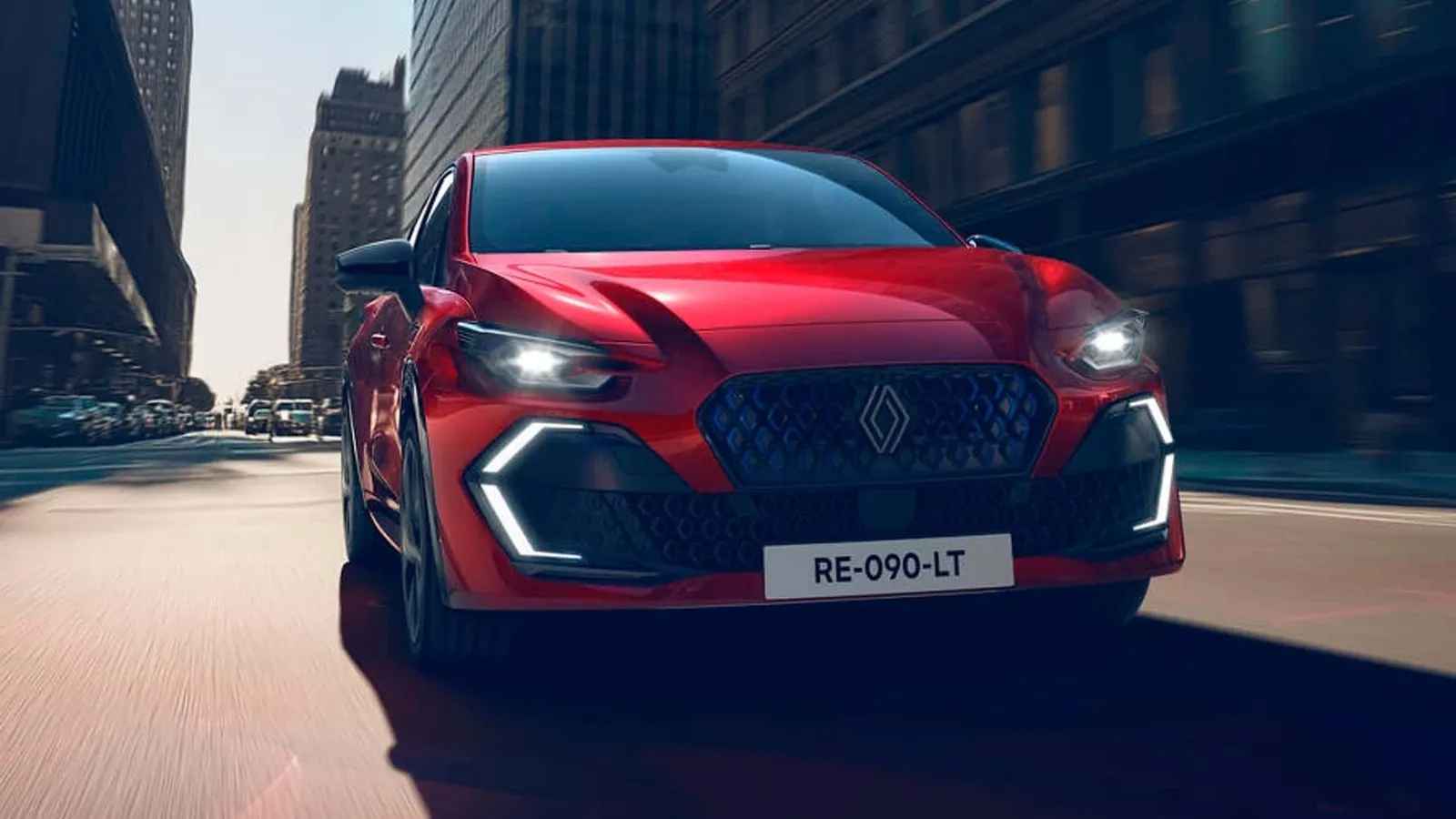
This fall, the electric Renault Megane received a facelift that primarily introduced a new LFP battery, raising its WLTP range to 494 km. However, this is still not a truly excellent figure, as the VW ID.3 Neo can achieve up to 631 km. But a new version of the Megane is planned for 2028, which is expected to have a range of up to 750 km on a single charge.
While the current electric Megane is based on the RGEV Medium platform (formerly AmpR Medium), the planned version will be built on RGEV Medium 2.0. This platform was introduced in March 2026. It is designed to support models from the B+ to D segment, ranging from sedans to SUVs, and it will offer 800 volts. The battery will feature a cell-to-body architecture, with ranges expected to reach up to 750 km. A new 202-kW engine also appears to be part of this platform.
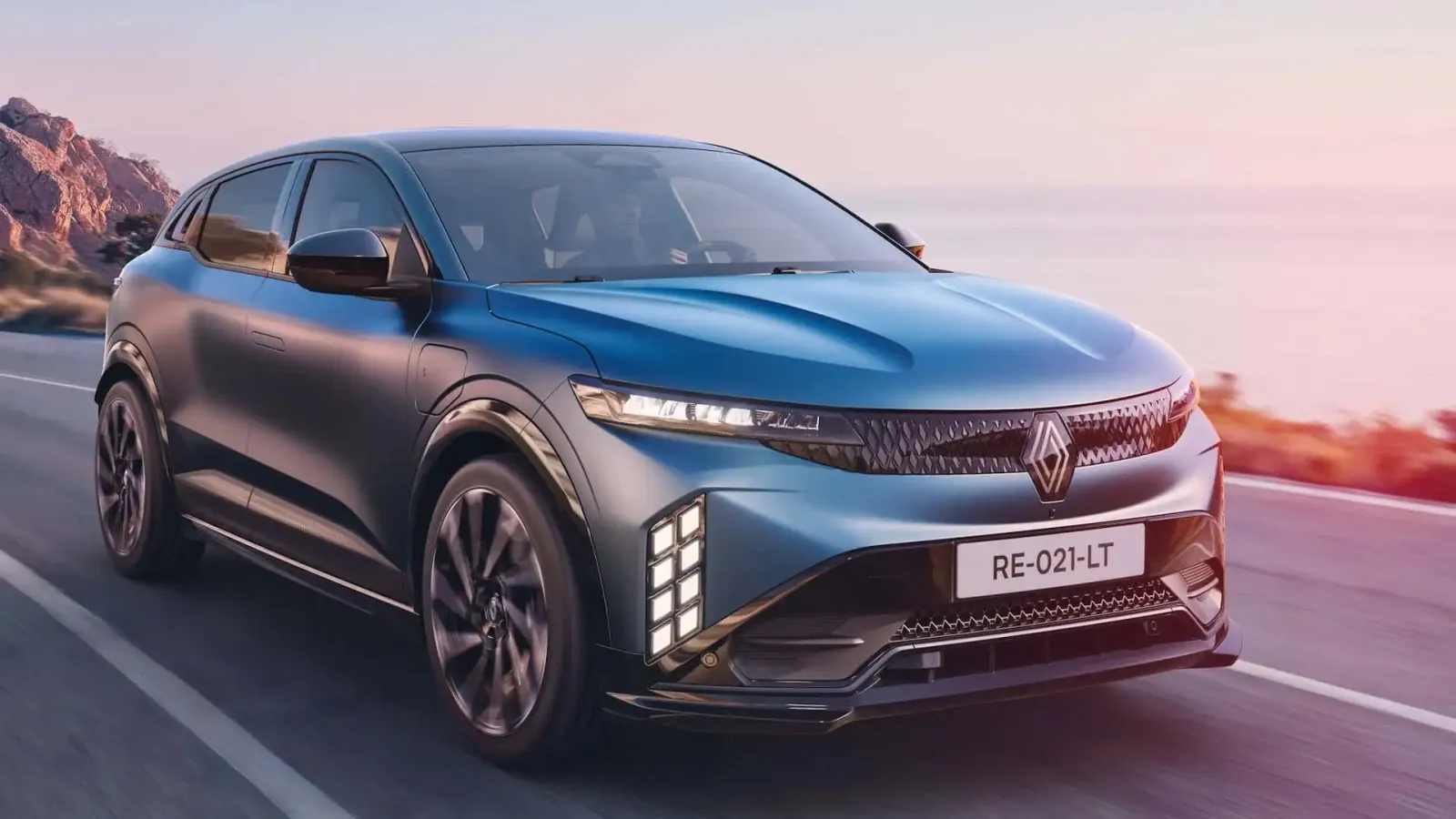
Renault Megane Electric Facelift (2026)
Images provided by: Renault
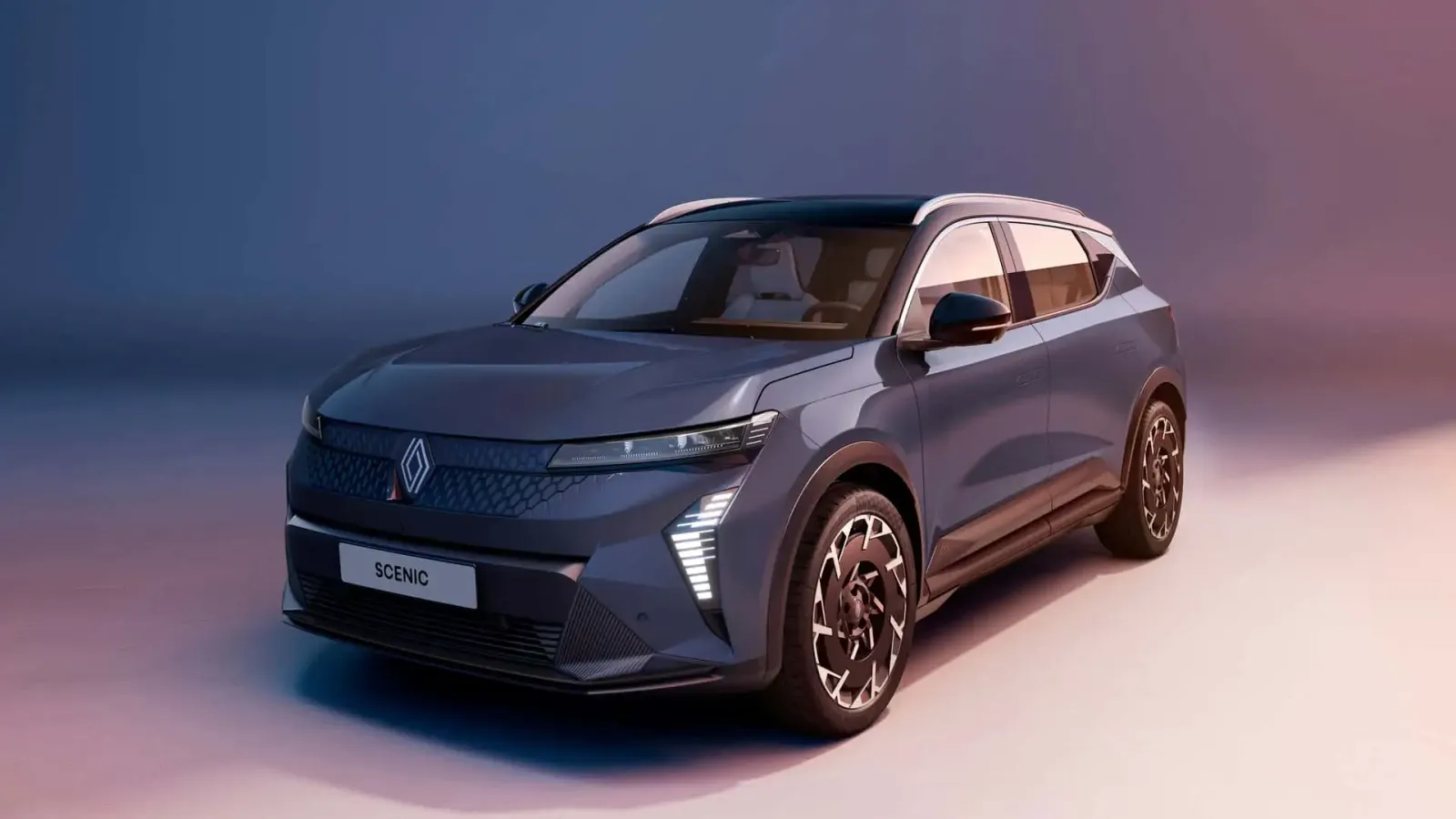
Renault Scenic Electric (2027)
Images provided by: Renault
The British car magazine Auto Express reports that this platform is intended to serve not only the electric Megane but also the related Scenic Electric, along with new electric versions of the Rafale and Espace. So far, only the Scenic and Rafale have been officially confirmed to be based on this new platform. The first vehicle is expected to hit the market in 2028. According to the report, the platform is suitable for vehicles with lengths between 4.30 and 4.80 meters.
This means the electric Megane will need to grow slightly, as it currently measures exactly 4.20 meters. The existing Scenic already fits the platform at 4.47 meters. Larger models such as the Rafale and Espace, both of which are around 4.70 meters long, are also set to be built on this platform. The wheelbase is expected to increase to 2.85 meters.
Renault Megane 2027
Renault Scenic 2027
Renault Rafale
Renault Espace
Current length
4,200 mm
4,470 mm
4,710 mm
4,746 mm
Current wheelbase
2,685 mm
2,785 mm
2,738 mm
2,738 mm
Power is delivered purely electrically or via a range extender system, with the BEV versions offering a range of up to 750 km as mentioned. The new feature is that these models will switch from front-wheel drive to rear-wheel drive. There will also be all-wheel drive versions available.
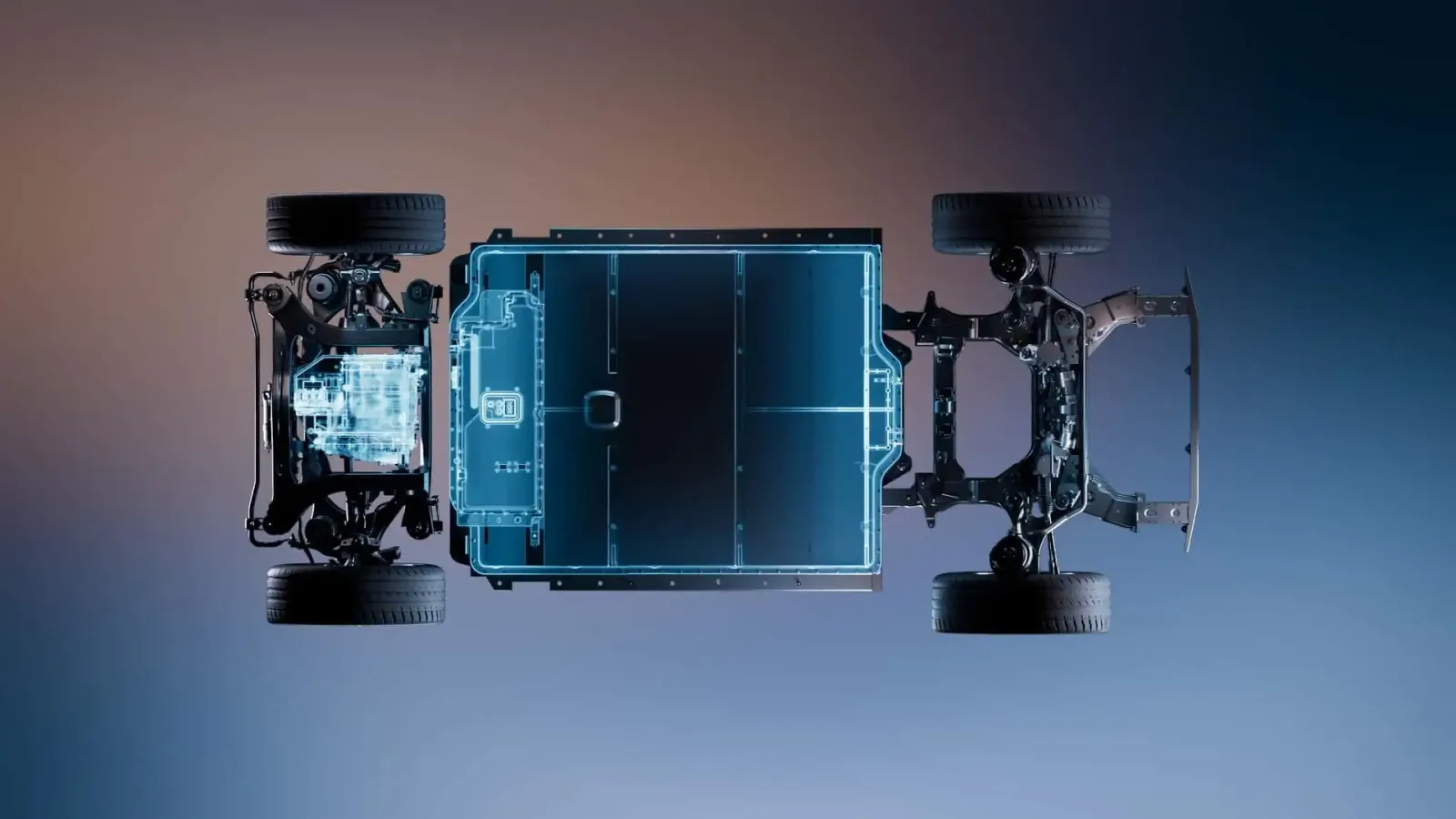
The RGEV Medium 2.0 supports both rear-wheel drive and front-wheel drive. This image from March 2026 appears to show an electric rear-wheel drive version
Image source: Renault
The new 202-kW engine, introduced by Renault in spring, is reportedly set to power the vehicle. According to Auto Express, a RWD version is expected to deliver 275 bhp (equivalent to 205 kW, or roughly 202 kW) and 350 Nm of torque. Currently, only a 160-kW engine is available in the Megane and Scenic. Philippe Brunet, Renault’s chief engineer, told Auto Express that rear-wheel drive improves driving dynamics and reduces wiring complexity.
For cost reasons, the battery is expected to remain under 90 kWh and use LFP chemistry. It will be integrated into the chassis as a structural component. The article does not specify whether the new electric Megane will also feature 800 volts.
The new Megane is designed to resemble the new Clio in appearance but will feature slit-shaped headlights. Its design focuses primarily on aerodynamics to achieve a range of around 750 km. This would not only put it ahead of the ID.3 Neo but also surpass the Nissan Leaf (up to 624 km), bringing it to the same level as Mercedes’ electric C-Class (C 400 4Matic: 753 km) and the Tesla Model 3 (Premium Long Range RWD: 750 km).
Image Gallery: Renault E-Space Concept (2026)
According to Renault’s chief designer, Laurens van den Acker, the styling language is intended to be as modern as that of the E-Space Concept. This Espace study made its debut at the Paris Auto Show, but it was explicitly not described as a preview of a production model. The interior is expected to feature a screen located near the windshield and stretching across the entire width of the cockpit—similar to the E-Space Concept. Additionally, there will be a second touchscreen for control.
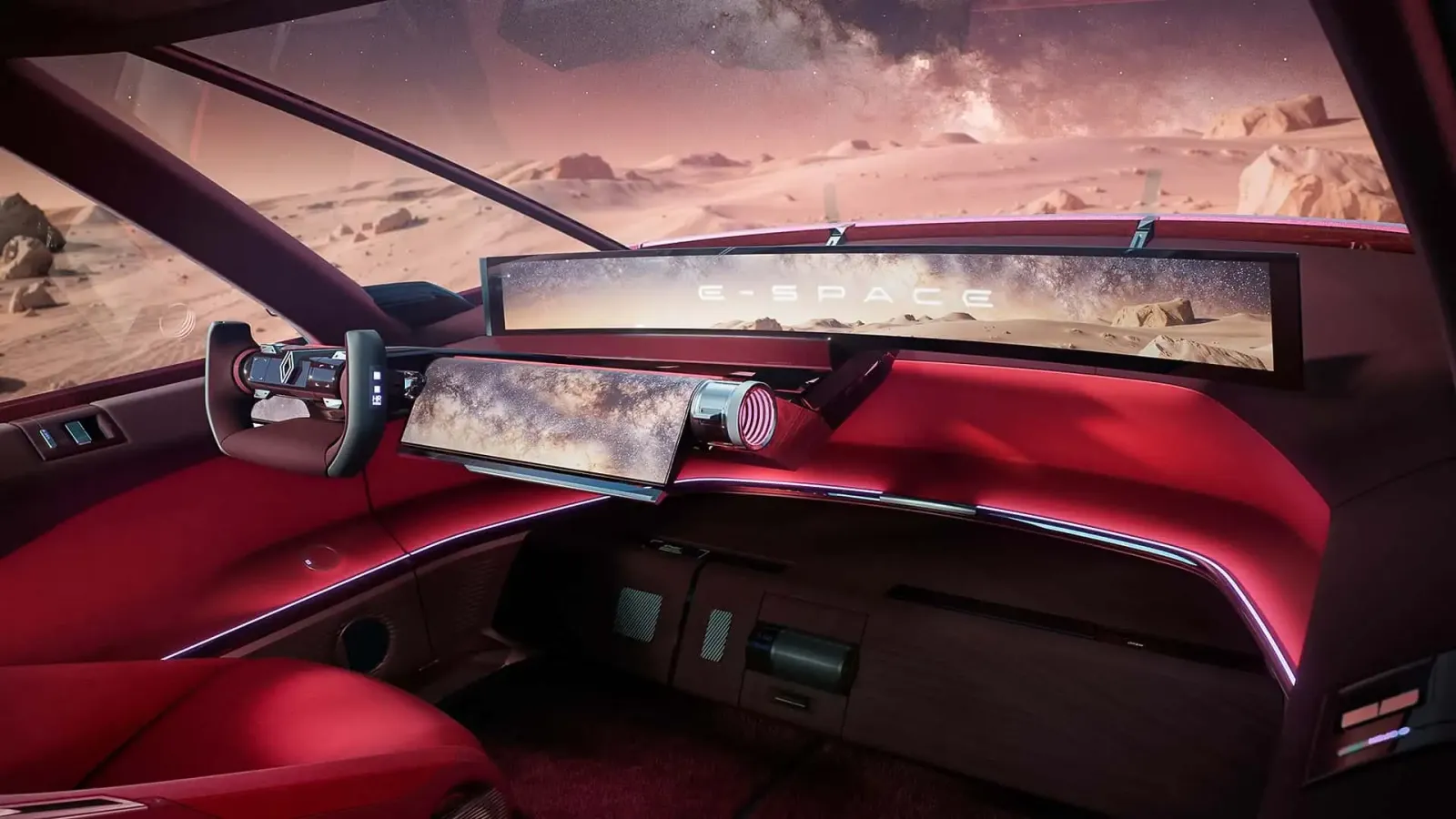
Steering wheel and a display spanning the full width of the cockpit: the interior of the E-Space Concept
Image by: Renault
Like the new Stellantis platform STLA One, RGEV Medium 2.0 will also enable steer-by-wire systems. This technology is necessary for autonomous driving anyway, according to Brunet.
More Renault news:
In summary
Following the microcar Twingo and the compact cars R4 and R5, Renault now appears to be turning its attention to larger models. The compact models Megane and Scenic are set to switch to the new RGEV Medium 2.0 platform starting in 2028, which allows for a longer wheelbase, larger batteries, and more powerful engines — with the new 202-kW engine using the proven EESM technology to power the rear axle. The same architecture is reportedly intended for electric midsize models such as an electric Rafale and an electric Espace.
The platform also supports 800 volts; it remains unclear whether some of the four models will feature this voltage level. So far, this technology is already widely used in the mid-size segment, while it remains an exception in the compact segment — examples include the BYD Atto 3 Evo and the Mercedes models CLA, GLA, and GLB.
Our cover image shows the new Renault Clio.