
The Renault Megane E-Tech Electric has been refreshed. It won’t have an easy time competing with the VW ID.3 or Kia EV3, let alone the ID. Polo.
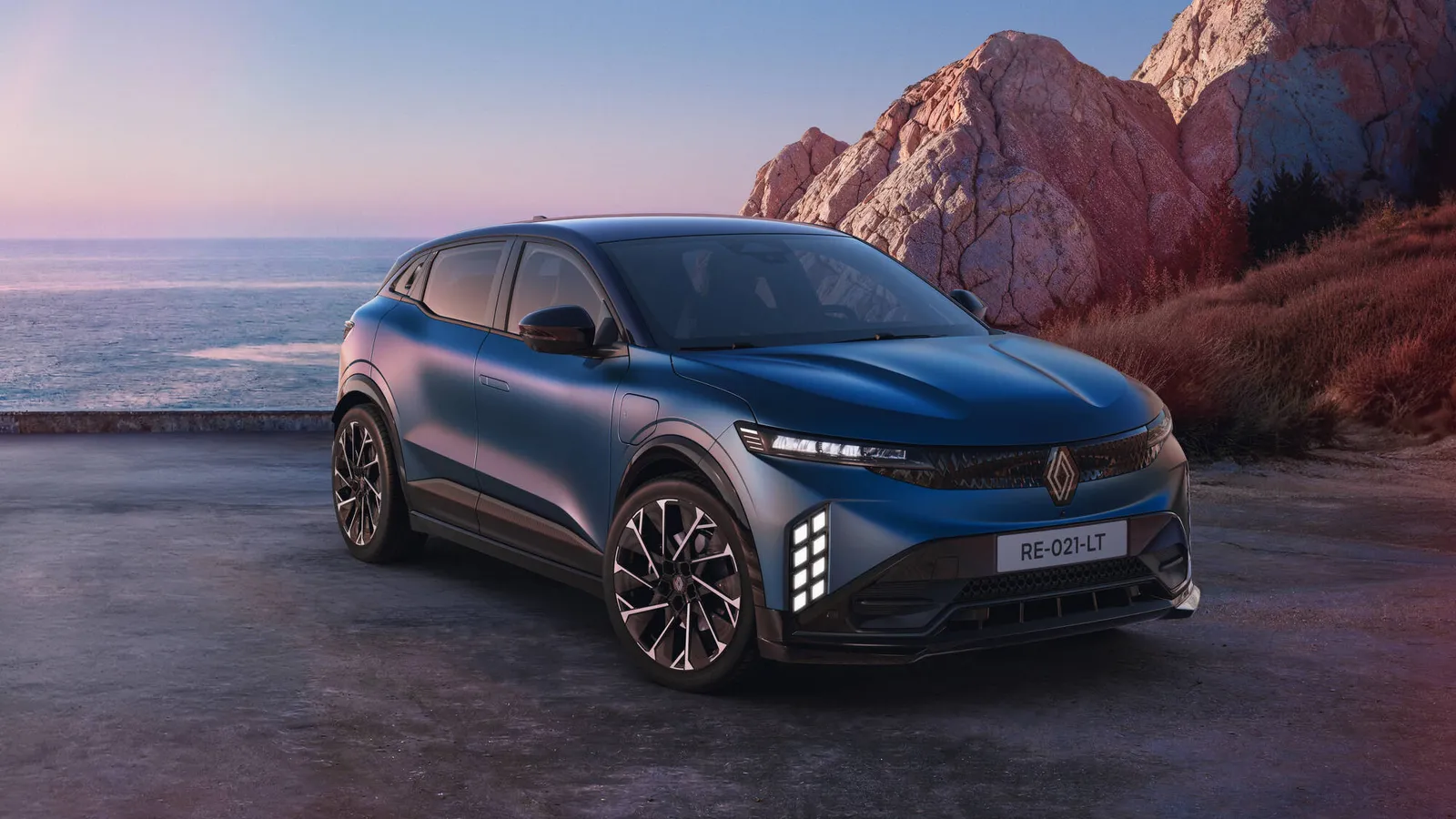
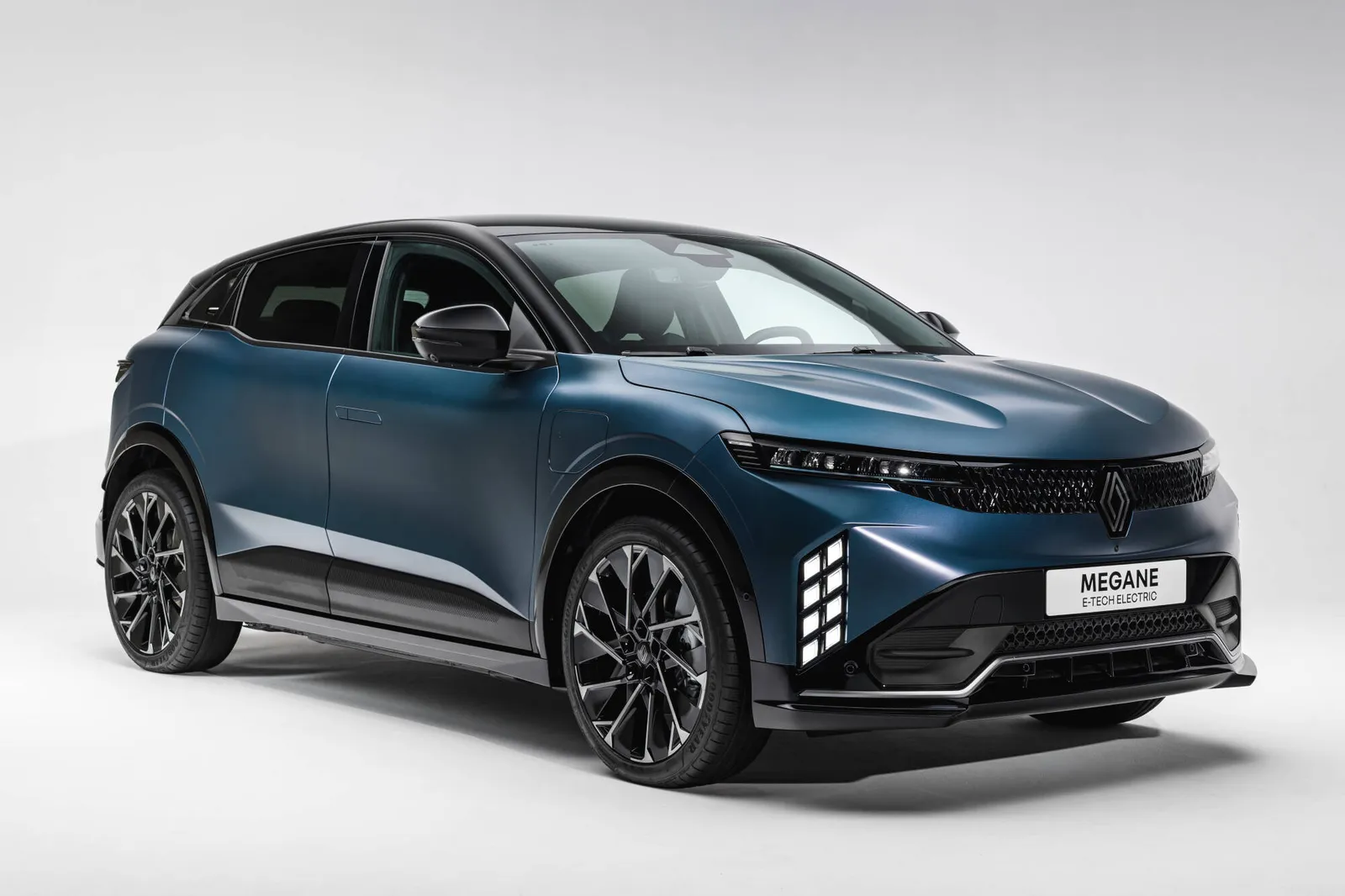
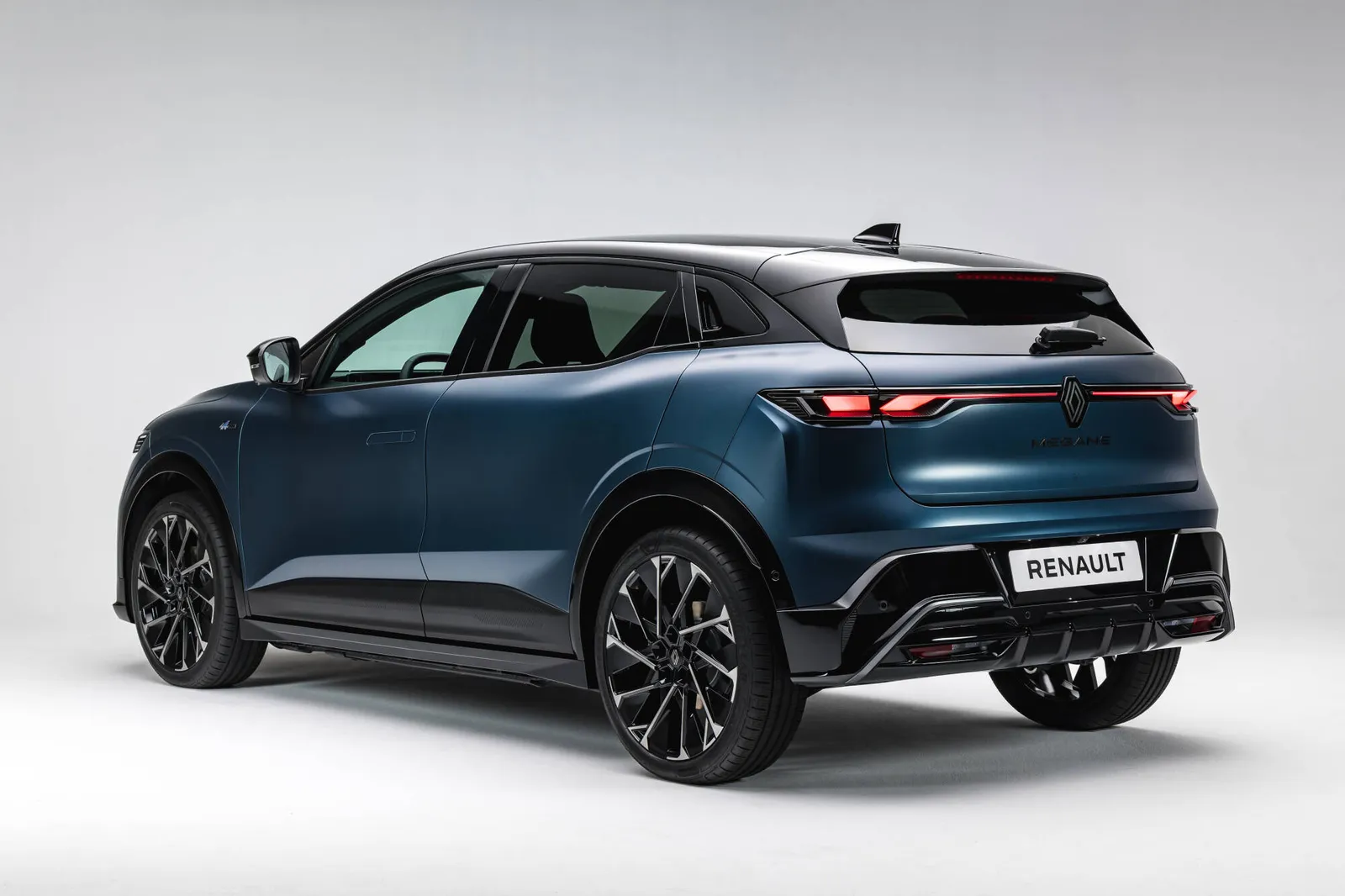
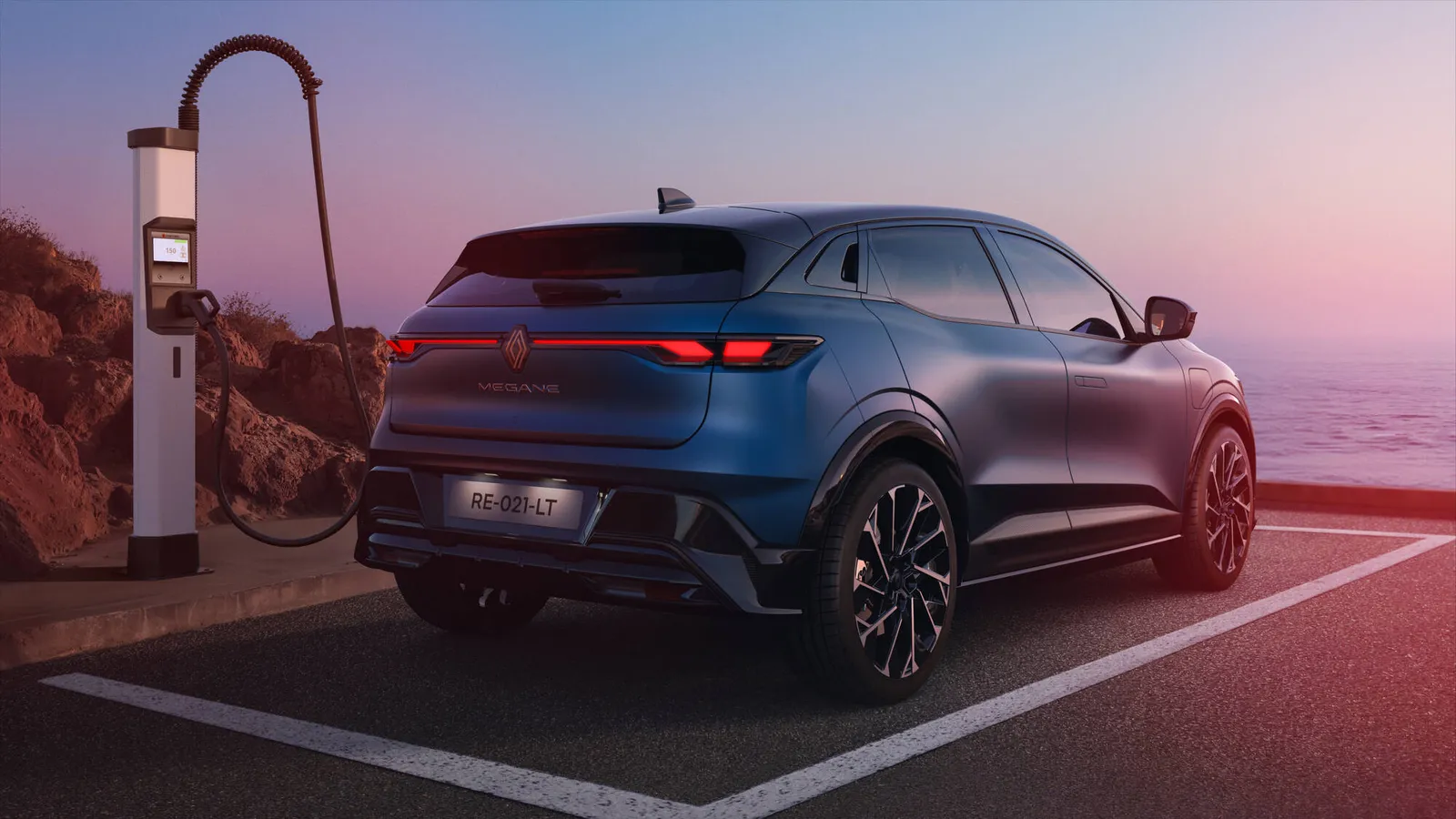
Renault has unveiled a facelift for the Renault Megane E-Tech Electric. The car still measures 4.2 meters in length and 2.75 meters in wheelbase, placing it between the VW ID. Polo (4.05 m, 2.6 m) and VW ID.3 (4.27 m, 2.77 m). The manufacturer attempts to position it as a competitor to the VW ID.3 (“compact hatchback”) to justify its relatively high price, but so far this strategy has had mixed results. The new LFP battery pack and lower prices for the Renault Megane Electric could change this situation.
The refreshed Renault Megane Electric. Still stylish and agile, still compact
Table of contents
The refreshed Renault Megane Electric. Still stylish and agile, still compact
Specifications
On the occasion of the launch of the refreshed Renault version, he revealed that the electric Renault Megane was primarily aimed at people with no experience driving electric vehicles (“over two-thirds of buyers”). It’s unclear how many of them decided to keep the car after the three-year leasing period, but we do have a few readers and one reader who didn’t have to pay for the car and… highly praise it. “Super sleek,” “comfortable,” “I found I can drive anywhere with an electric vehicle.”
Specifications
The most significant change in the Renault Megane E-Tech Electric (2026) is the LFP battery with a capacity of ~69 (67) kWh, replacing the previous ~64 (60) kWh battery based on Li-NCx cells. This will enable up to 500 WLTP units per charge, meaning 427 kilometers in urban or city-suburban driving conditions, 300 kilometers at 120 km/h, and 230 kilometers at 140 km/h when the battery is depleted to zero [preliminary calculations by Elektrowozu]. This is slightly more than competing models with similar battery packs (VW ID.3 62 (58) kWh, Kia EV3 58.3 (~56) kWh), but less than those same competitors equipped with larger batteries.
The charging time from 15% to 80% is 24 minutes. The range starting from 15% clearly indicates the Chinese origin of the LFP cells and their previous generation. The maximum charging power is 165 kW.
The difference in range suggests that the LFP version is slightly less efficient than the previous battery variant, notes Auto Express. Considering other capacities, if the new version isn’t about 150 kilograms heavier, we can assume that Renault’s engineers worked hard to reduce weight wherever possible. We also learn that “500 kilometers WLTP” is a psychological barrier above which people start thinking, “OK, this could be my main car.”
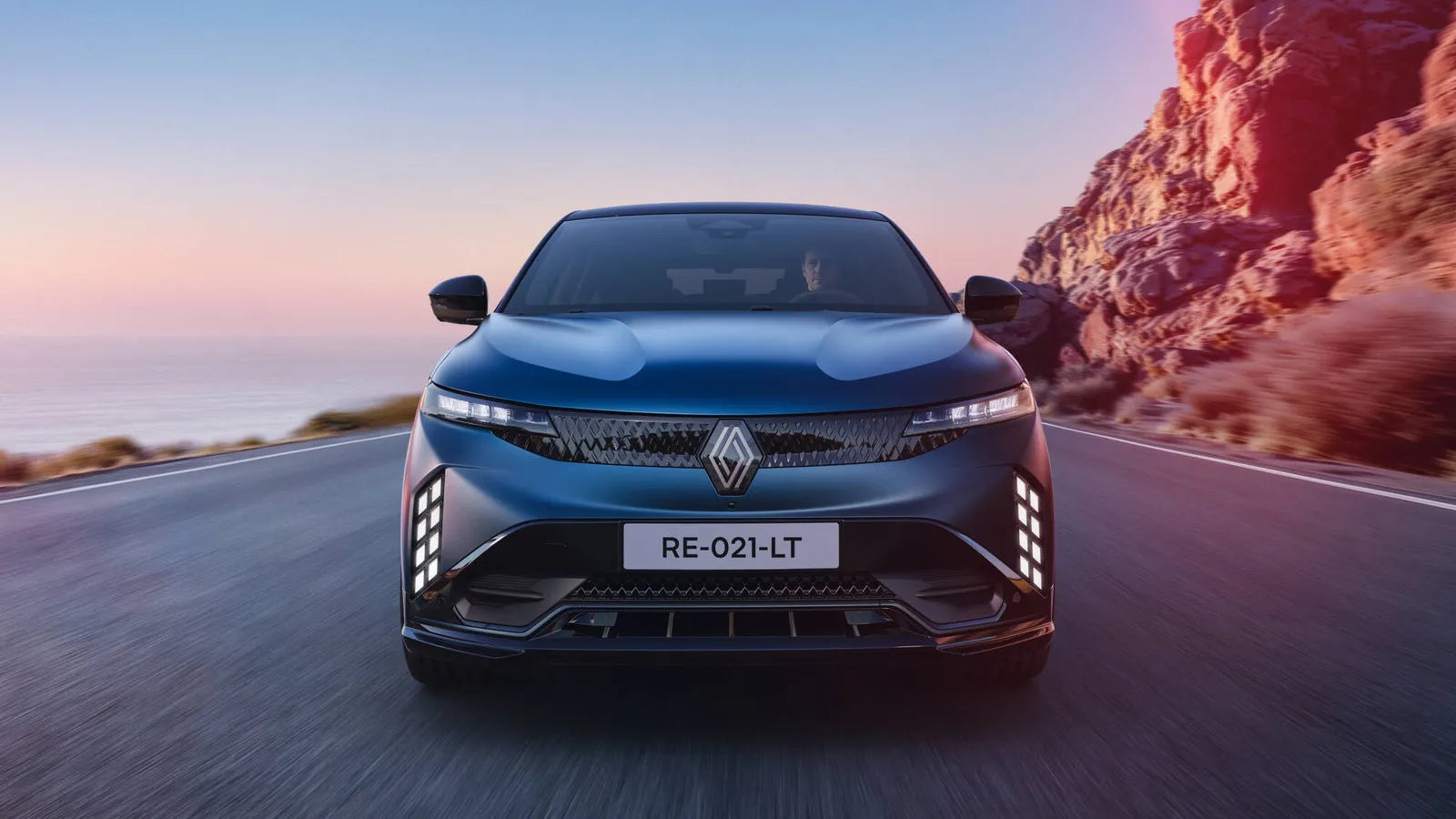
The trunk capacity of the Renault Megane E-Tech Electric (2026) is 440 liters
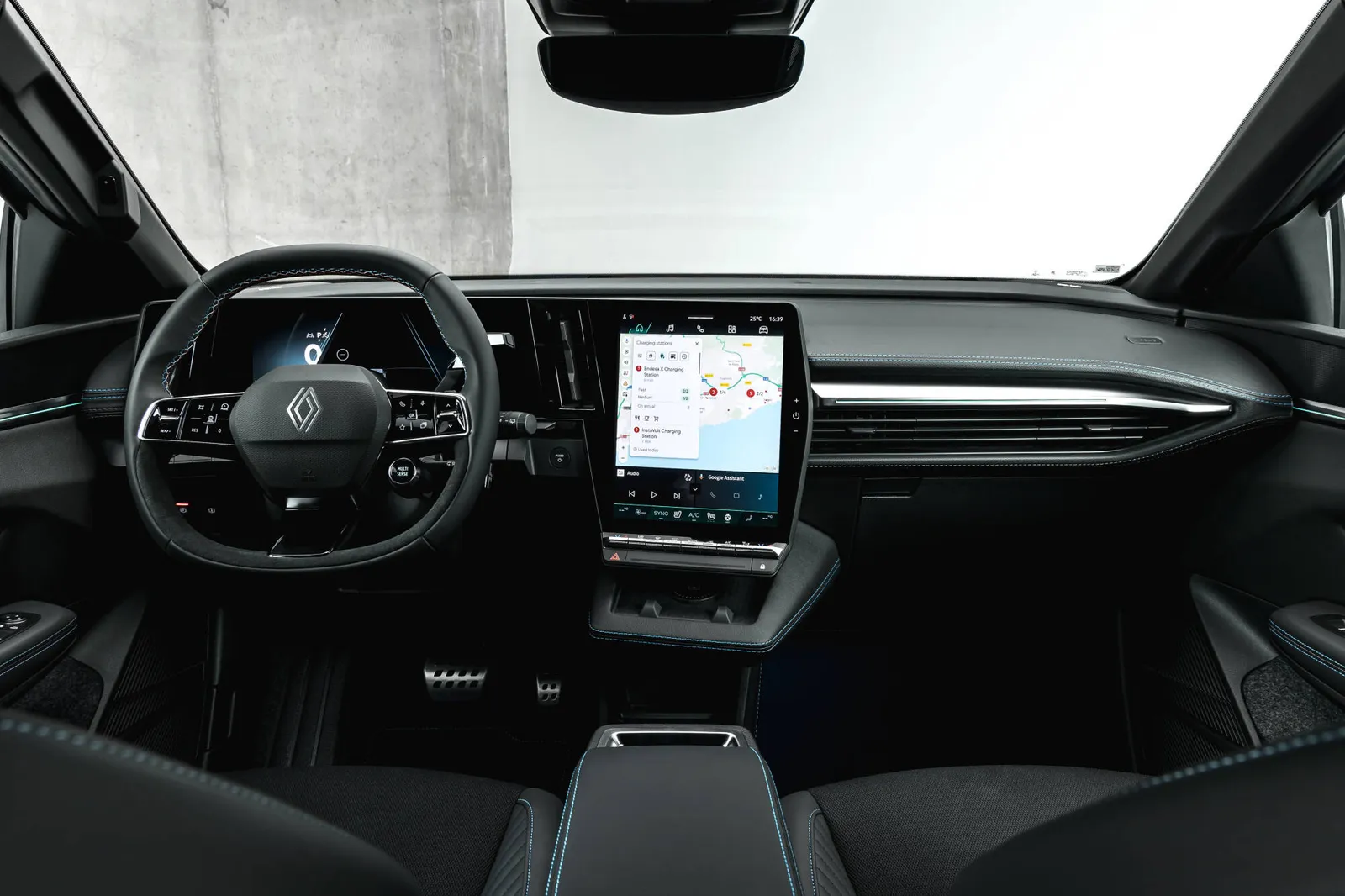
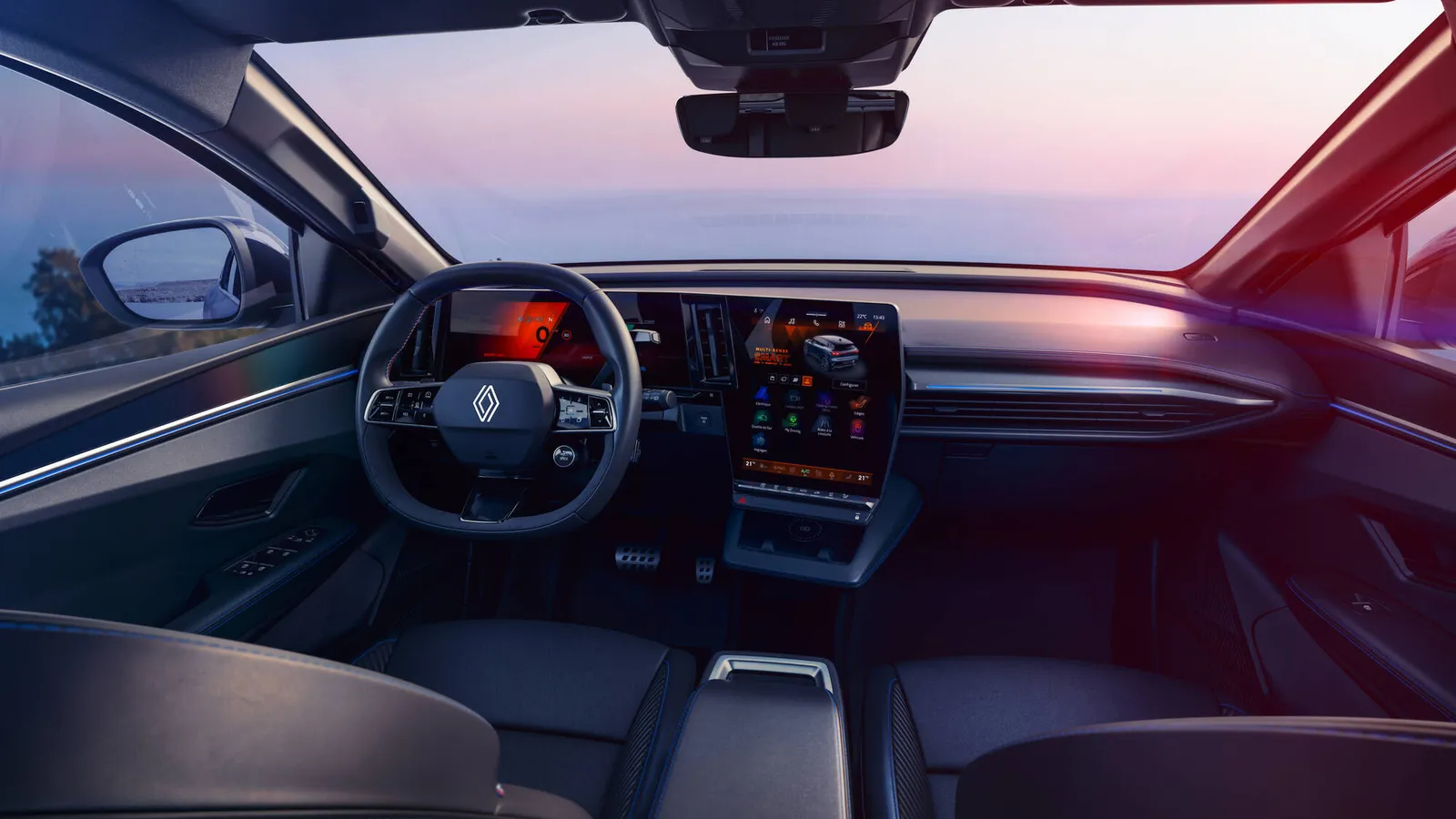
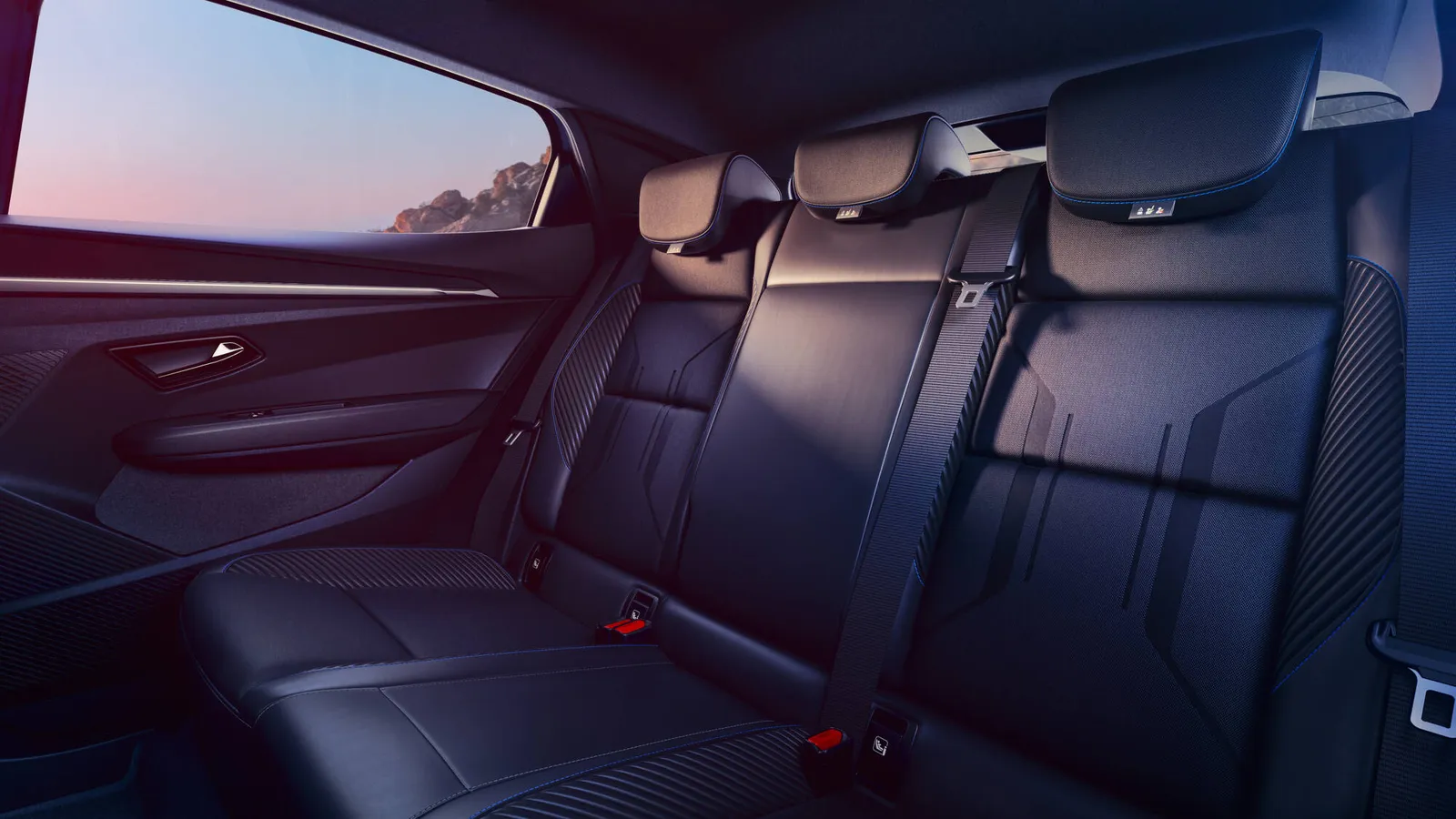
The engine power remains unchanged at 162 kW/220 HP, with front-wheel drive. However, the entire bodywork has been modified except for the headlights. The Renault Megane E-Tech Electric will be available in two trim levels: Techno and Esprit Alpine. The Techno version comes with 19-inch wheels, a leather interior, and optional electric seats. The Esprit Alpine features 20-inch wheels (resulting in shorter range), ambient lighting, and more refined finishes. The website for the electric Renault Megane E-Tech is HERE; prices in Poland have not been announced yet.
Article Rating
Reader Ratings
[Total: 4 votes Average: 5]
Don’t miss new content — CLICK and FOLLOW Elektrowoz.pl on Google News. You might also be interested in the following ads: