
Renault begins selling refurbished electric motors 30% cheaper
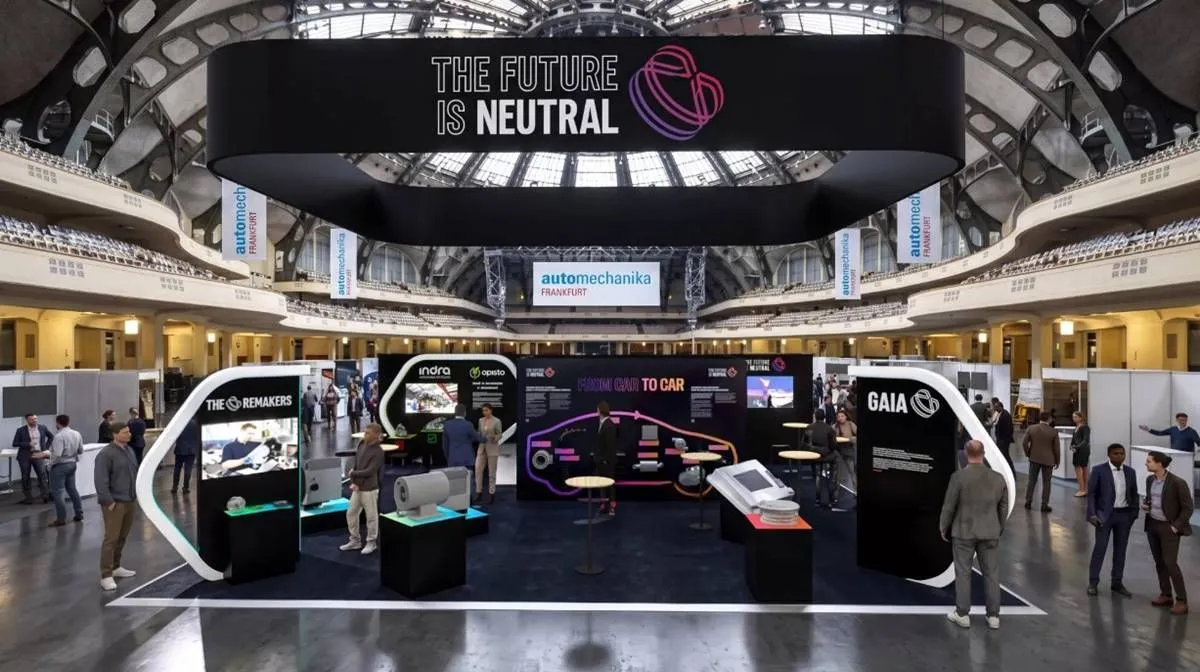
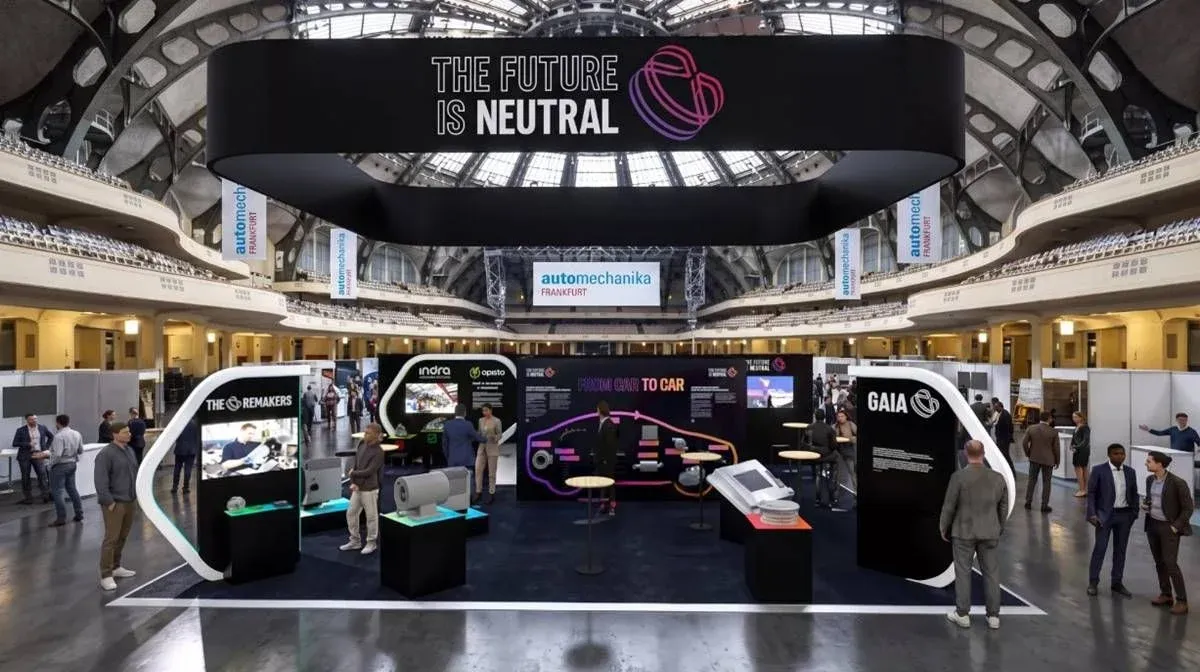
An electric motor is not exactly one of the components that most often causes problems in a car, but when a failure occurs outside the warranty period, replacing it can cost several thousand euros. Renault wants to reduce this impact by using a much simpler approach: recovering used motors, disassembling them, inspecting them, and putting them back on the market as refurbished parts.
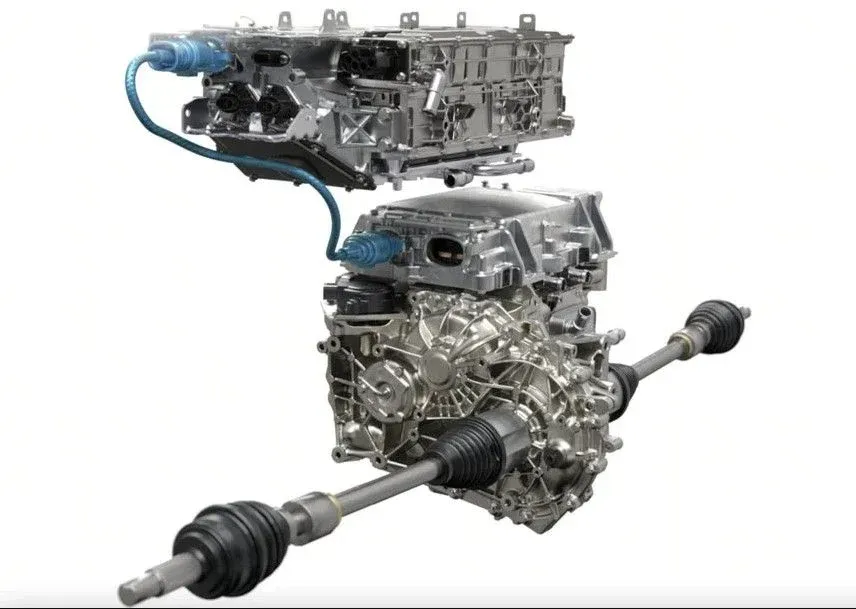
The company responsible for this task is The Remakers, a specialist in refurbishment and circular economy linked to Renault. The firm has introduced a new line for the 6AM electric motor, which is used in models such as the Renault Mégane E-Tech and Renault Scénic E-Tech, as well as the electric Renault Master. The refurbished unit undergoes an industrial process of disassembly, inspection, and tuning at facilities in Flins before being returned to the parts supply chain.
Renault claims that these refurbished engines offer performance and reliability comparable to those of a new unit, albeit at an average price that is approximately 30% lower. In other words, rather than replacing the entire component with a newly manufactured one, much of the existing engine is utilized, and those parts that can still function for many kilometers are restored.
The design of the 6AM itself also provides one of the advantages of this motor over other solutions. It is a synchronous motor with a wound rotor, so it does not require permanent magnets made from rare earth materials. The rotor generates its magnetic field through an electrically powered winding, thereby reducing the need for materials considered critical.
But the savings extend beyond just the cost of the component. The Remakers commissioned consultant Quantis to conduct a life cycle analysis following ISO standards, which was later subjected to external critical review. According to the results published by the company, refurbishing the electric motor allows for a reduction of at least 67% in environmental impact across each of the five analyzed criteria. In the case of power electronics, the reduction is at least 47%.
An important aspect of this outcome relates to the reuse of copper and electronic components. These materials have a significant impact due to their extraction, processing, and manufacturing, so recovering elements that can still be used avoids much of that process. Instead of directly converting a used engine into recyclable material, Renault aims to retain as many components as possible within the usage chain.
The 6AM joins a range of refurbished components that already includes the 5A engine used in the Renault Zoe and Renault Kangoo electric models, as well as the electronic power controller. The difference now is that this new offering expands the number of relatively recent models that can benefit from this alternative.
This strategy comes at a time when more and more electric cars are on the road, meaning an increasing number of them are also reaching the end of their warranty period. The question is no longer just how much it costs to manufacture an electric car, but also how much it will cost to maintain and repair it over many years and miles. Being able to repair or refurbish its most expensive components can make a significant difference at that stage.
Renault is not the only manufacturer moving in this direction. ZF has presented at the same Frankfurt show over 100 variants of repair kits for electric propulsion systems, designed to allow workshops to address specific components rather than replace entire assemblies. Its catalog includes solutions for electric motors, inverters, hybrid modules, mechatronic systems, and reducers.
Batteries are also beginning to follow this path. CATL is developing repair solutions in Europe that enable fixing defective modules instead of replacing the entire battery, with interventions that can significantly reduce costs compared to a full replacement. Meanwhile, other manufacturers and specialized companies are developing programs for recovering and refurbishing components.
Everything suggests that repairing rather than replacing will become increasingly important in electric cars. Electric mechanics have fewer moving parts than internal combustion engines, but that doesn’t mean all their components are cheap when a failure occurs. Repairing motors, power electronics, and batteries can help reduce owners’ expenses while also extending the lifespan of materials that still have a long way to go.
Source | Renault