
Renault gives electric motors a second life: 67% less environmental impact and 30% lower cost
09/09/2026 14:30
Updated to
09/09/2026 14:30
Renault aims to take circular economy practices a step further in its electric vehicles by making the refurbishment of components an alternative to replacing them with new parts. The brand explored this concept at Automechanika Frankfurt, where The Future is NEUTRAL, a company affiliated with the Renault Group and backed by SUEZ, presented a new generation of solutions designed to extend the lifespan of vehicles, batteries, and components. Among these is the industrial refurbishment of the 6AM electric motor.
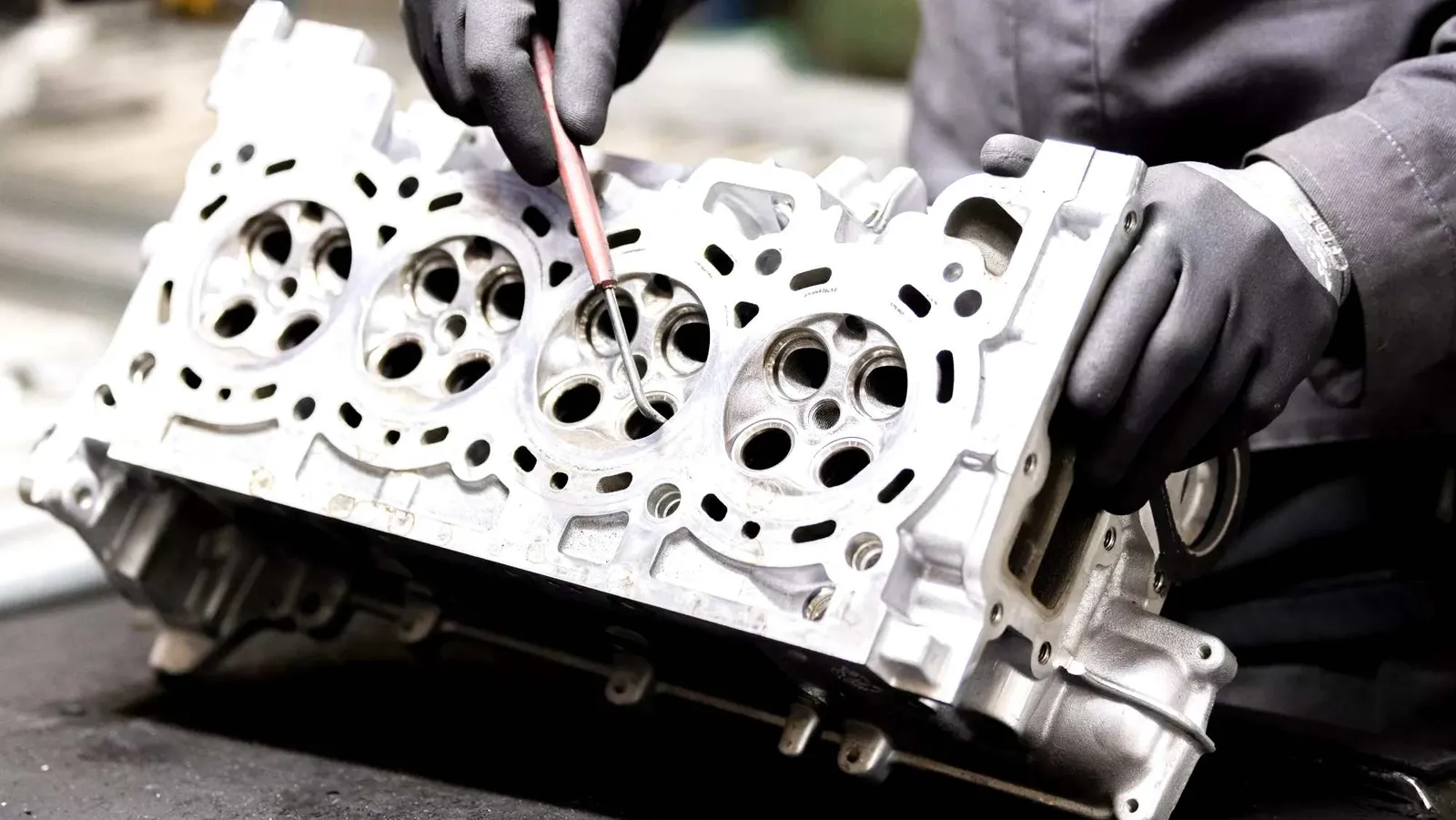
The leader behind this initiative is THE REMAKERS, a company specializing in the remanufacturing of automotive components. Their new service allows electric motors to be recovered and, instead of ending up in recycling, go through an industrial process to be reintroduced into the market.
Lower emissions and a 30% lower cost
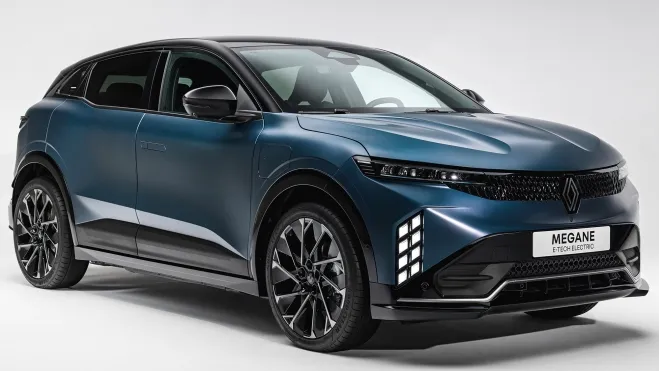
The 6AM engine is an electrically excited synchronous machine that does not use rare earth elements and is used, among other models, in the Renault Mégane E-Tech Electric and Scenic E-Tech Electric. The goal of this project is for the refurbished units to achieve performance and reliability equivalent to those of a new engine.
This would present an environmental advantage, as there would be no need to recycle engines or produce new ones, but it is not the only benefit. According to data provided by Renault, refurbished engines can be sold at an average price approximately 30% lower than that of a new unit, thus offering economic advantages as well. The proposal aims to reconcile cost reduction with maintaining the technical standards required for such components. In this way, THE REMAKERS expands its range, which already includes the 5A electric engine used in models like the Renault Zoe and Kangoo Z.E., as well as the electronic power controller for electric vehicles.
To analyze the environmental aspects of the refurbishment pathway, Quantis conducted a life cycle study in which eight representative families of refurbished components were evaluated. The analysis considers five indicators: climate change, mineral and metal consumption, acidification, freshwater eutrophication, and photochemical ozone formation.
According to this study, refurbished electric motors reduce environmental impact by at least 67% in each of the five indicators analyzed. For power electronics used in electric vehicles, the reduction reaches at least 47% across all indicators. The brand states that these results reinforce the idea that a circular economy is not merely about recycling materials once a vehicle’s lifespan ends, but also about preserving as much value as possible in components through repair and reuse.
A global strategy
The Future is NEUTRAL strategy also extends to other stages of the vehicle’s life cycle. GAIA focuses on the repair and reuse of traction batteries, while INDRA Automobile Recycling develops solutions related to disassembly, recycling, and eco-design. Adding to this is OPISTO, whose digital platform provides verified and traceable reused parts. This approach aims to cover the entire chain, from the collection and disassembly of end-of-life vehicles to the recovery of components and materials.
According to Renault, nearly eight million vehicles reach the end of their useful life in Europe each year. Rather than being discarded, these cars represent a reserve of materials and components that can reduce dependence on virgin raw materials and create new industrial opportunities, according to The Future is NEUTRAL.