
Renault learned to develop electric vehicles more quickly and cheaply in China, and will soon apply this to the new R5, Scenic, and Rafale.
Renault carried out much of the development of the new Twingo in China, where it established the ACDC (Advanced China Development Center) R&D facility. This allowed for a significant reduction in development time and cost: the city car reached the market in just two years, becoming one of the few European models to offer a price comparable to its Chinese competitors.
Now, Renault is reorganizing its engineering department through a project aimed at applying everything learned in China to its European teams, with the goal of designing cars faster and more cheaply. The result? A drastic simplification of projects, a 20% reduction in staff by the end of 2027, and a training program focused on electrification and software.
From now on, each project will be divided into fewer than 30 modules; that is, about one-third less than before, which will result in faster decision-making. “It’s not 100% ready yet, but it’s sufficient to get started,” says Philippe Brunet, Renault’s technology director. “All projects that enter the development phase starting in November will begin with this configuration.”
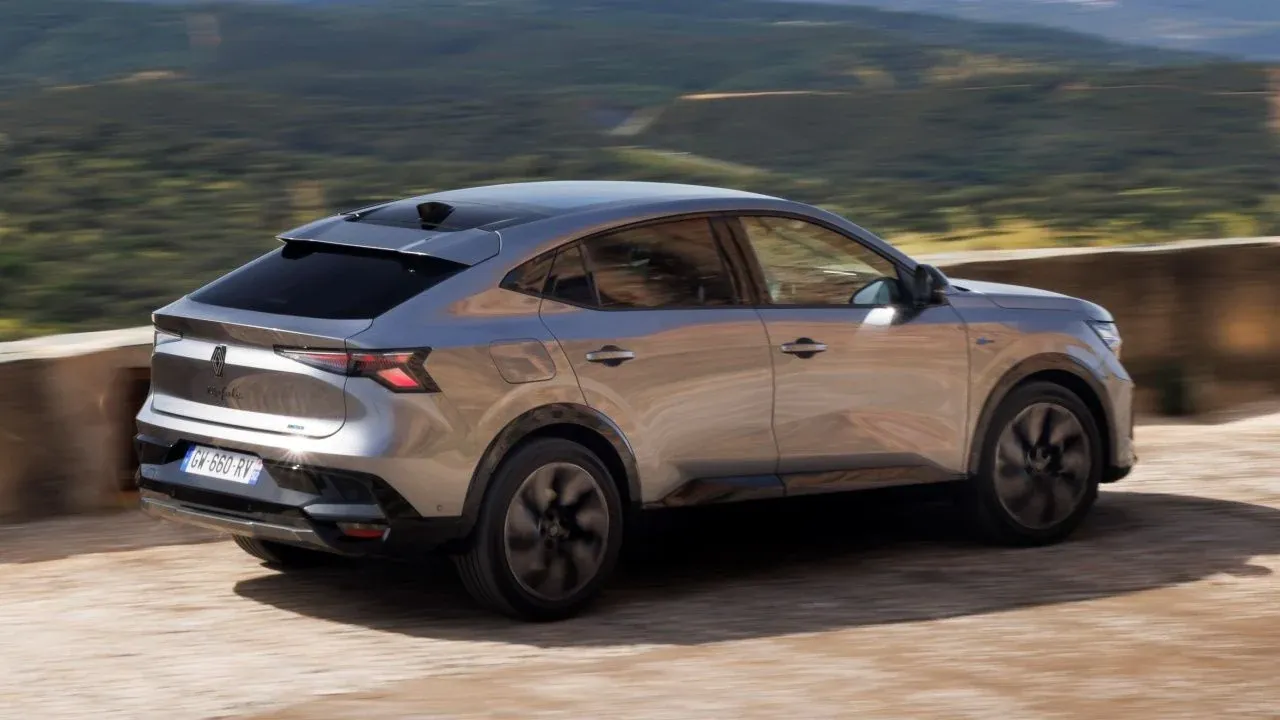
“There used to be 45 modules; that was due to an outdated organizational structure. I think 30 is a very good figure. Considering that the Chinese are among the most efficient, it’s roughly what we see there.” The first model developed under this new formula will be the new Rafale, which will arrive by the end of 2028 and will be the first to feature the new RGEV Medium 2.0 platform.
Renault is a more agile company compared to larger groups such as Stellantis or Volkswagen.
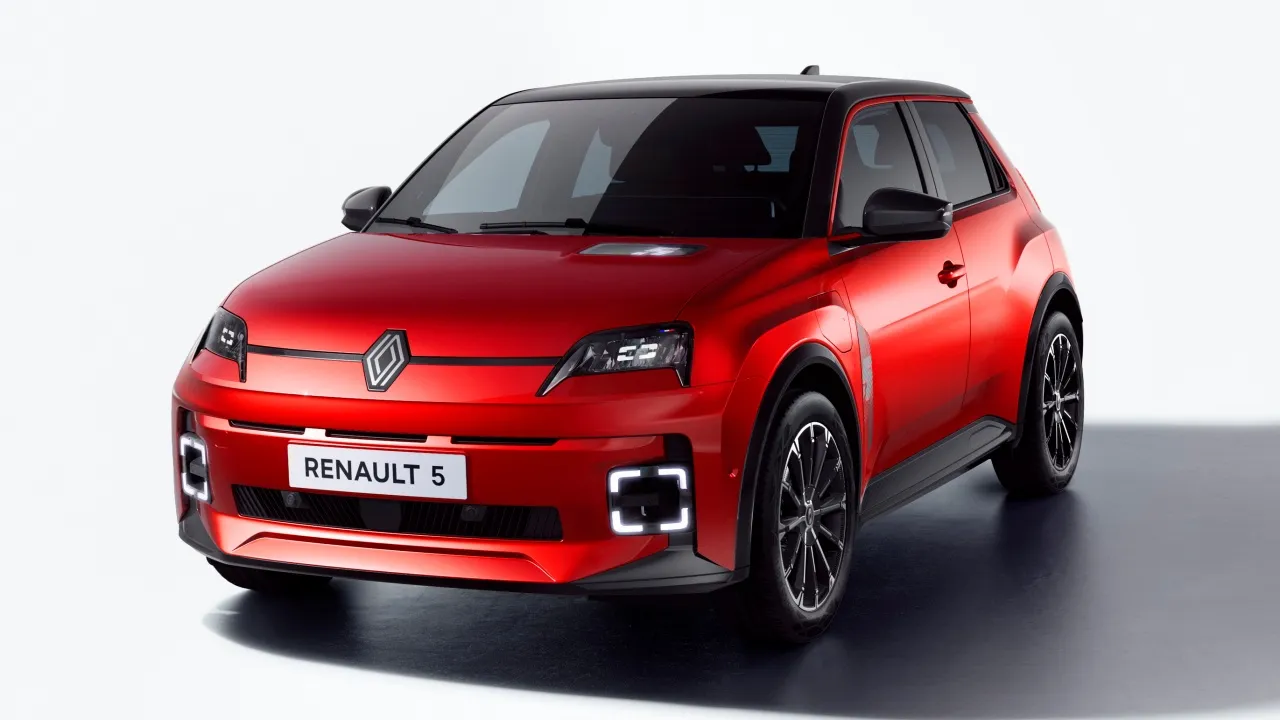
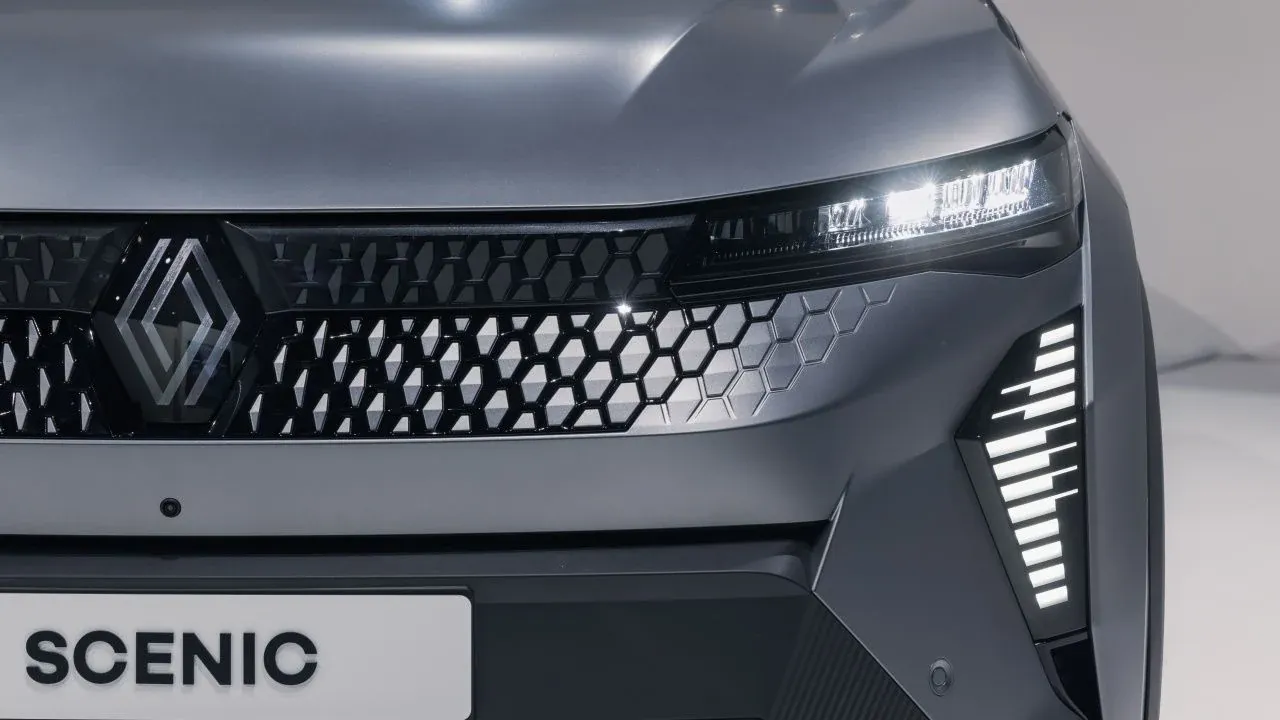
Two other projects have also been assigned to the French Technocentre: the new Scénic (which will use the same platform as the Rafale) and a significant upgrade of the R5. It is unclear whether this refers to the already known update aimed at equipping this best-selling electric vehicle with more efficient engines and more affordable yet capable LFP batteries, or if it will involve even more substantial changes.
Meanwhile, Renault will continue to collaborate with the ACDC center on various projects. Although its scale is smaller than that of other European groups such as Stellantis or Volkswagen, this smaller size gives it greater agility. Renault’s goal is to emulate the strategy of Chinese brands, which release regular updates to their electric models.
"We’re not going to build a car that does stunts. We’re trying to create useful technological innovations that aren’t just for show. The Renault 5 is a car that has a technological image in the eyes of customers, and it sells well. We’ve already taken the first step, and we’re in the process of taking the second step for the 2028 generation."
Source | Les Echos