
Renault 4. The sentiment works, but the range needs to be calculated.
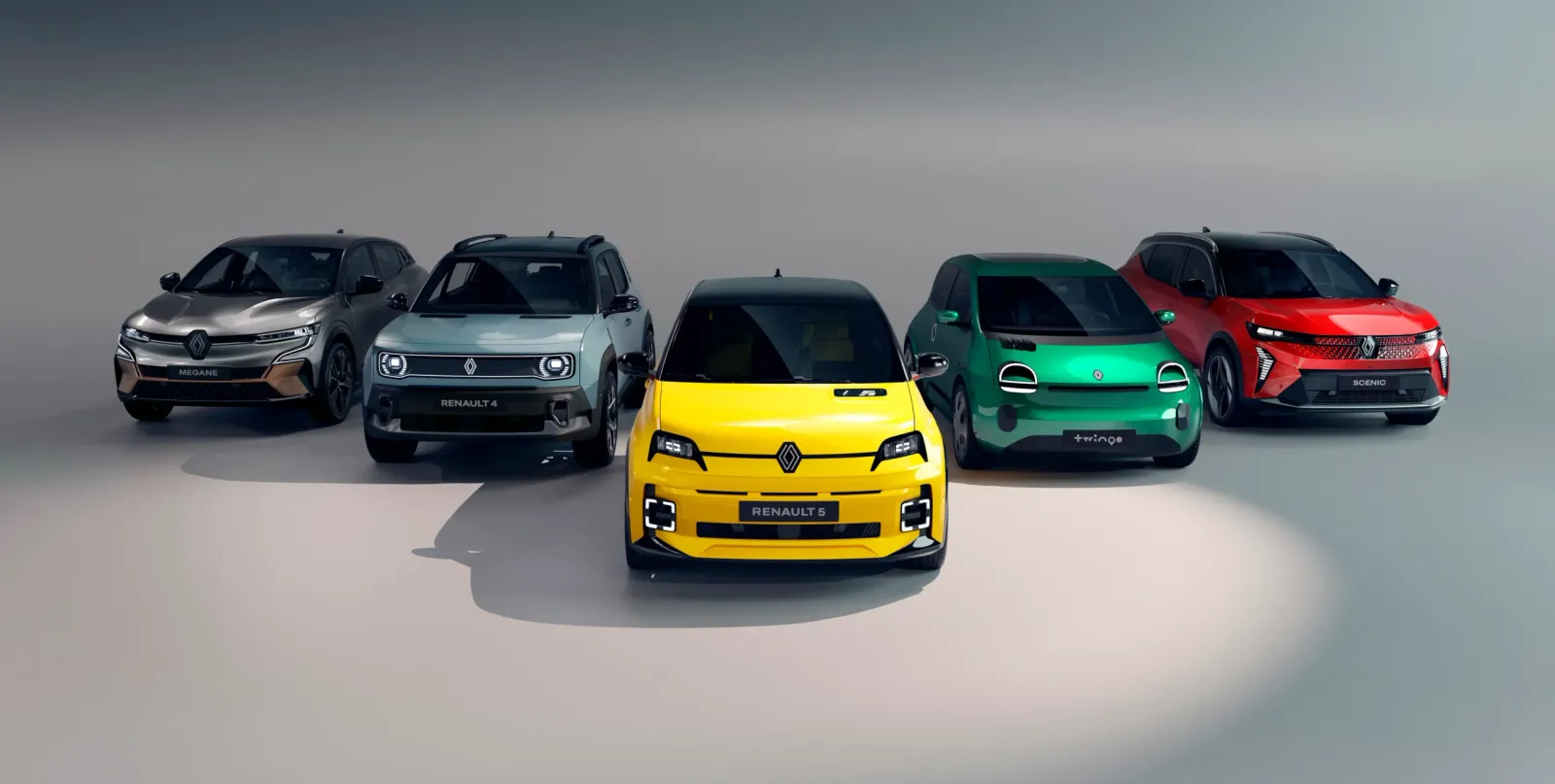
In the article:
Renault 4 was supposed to be as popular as jeans – that’s what was assumed 65 years ago
Today, the new electric Renault 4 successfully builds on that legacy
There are two battery capacity options available
Range? Up to 400 km with the larger capacity
Prices? Starting at 130,500 PLN for the Urban version, up to 152,500 PLN for the Comfort version
There’s already a really wide range of choices in this price segment
Renault 4 was meant to be like jeans
The first Renault 4 was introduced in 1961. Over more than three decades, over 8.1 million units were produced. It was Renault’s first front-wheel-drive sedan, but its significance went beyond technical aspects. The large rear hatch, flat floor, and removable rear seat allowed the compact family car to be easily converted into a van.
The idea came from Renault’s then-ceo, Pierre Dreyfus. He wanted a car as versatile as jeans: affordable, durable, and suitable for various occasions. For city use and rural areas, for work during the week and family trips on weekends. Price was so important that a limit of 350,000 units of the local currency was set during development, and the engineers simply called the project “350.”
Over time, the Renault 4 became a permanent part of the French landscape. Families, entrepreneurs, the postal service, and the gendarmerie all used it, with the latter adopting this car due to its significant advantages as well as its compliance with some of the most important criteria in the tender specifications: “A person wearing a head covering should be able to sit inside.”
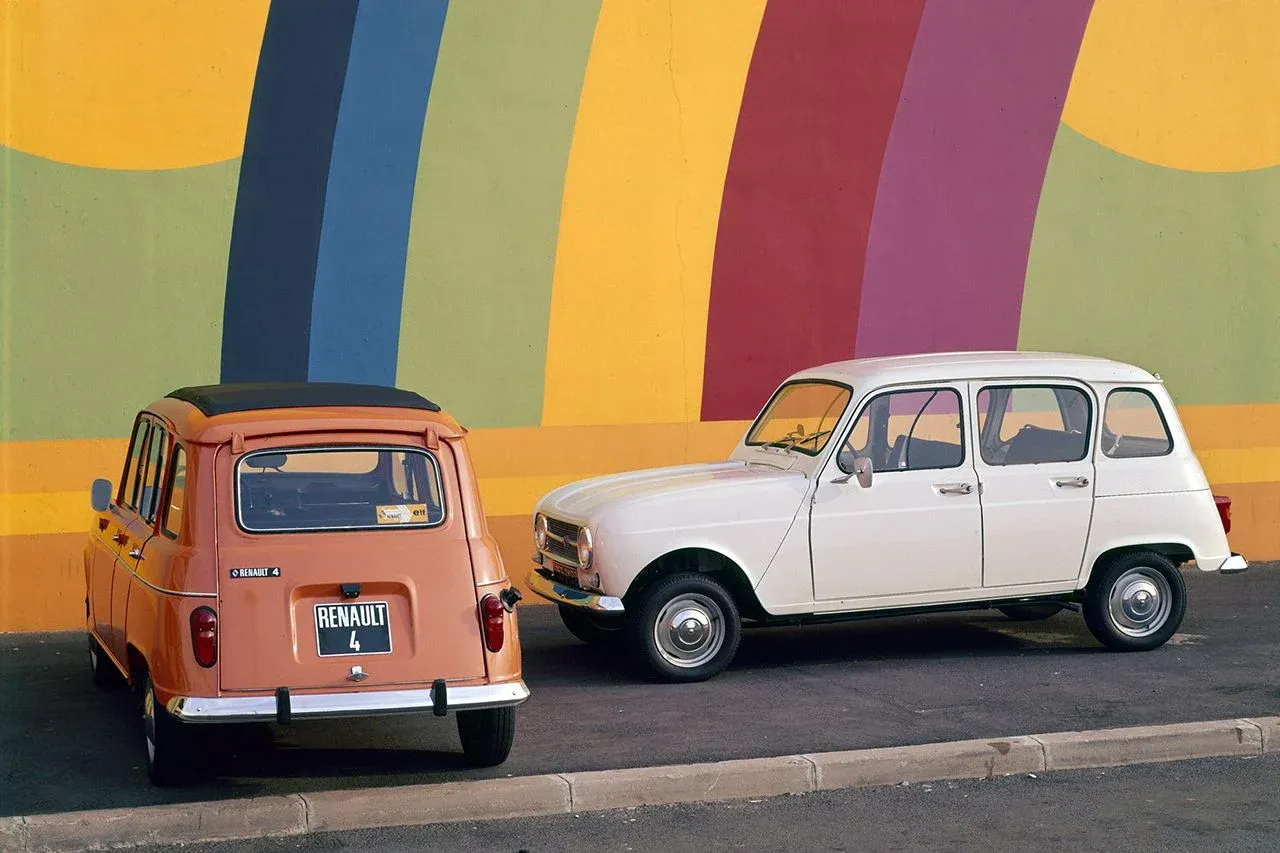
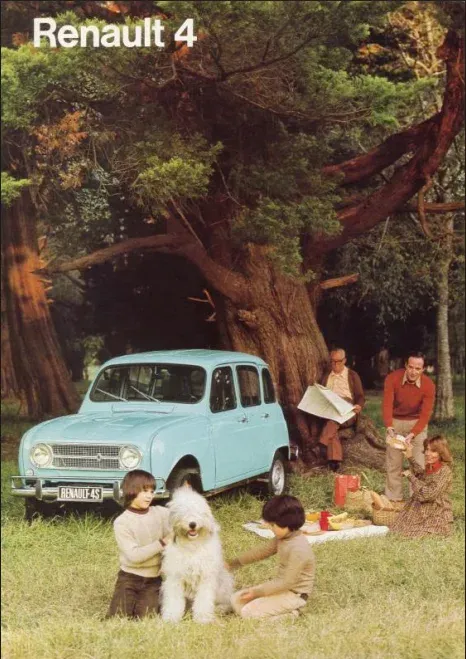
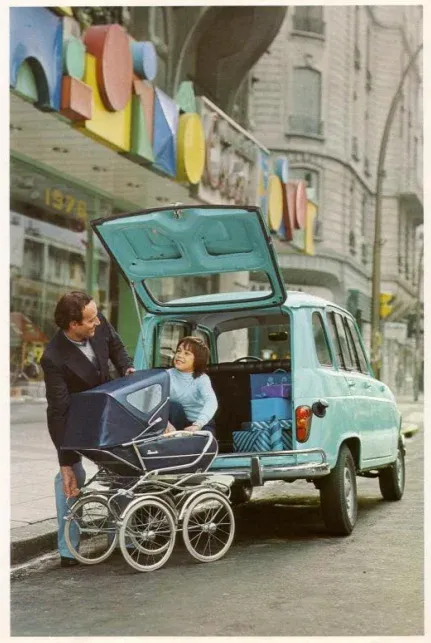

The similarities are obvious at first glance
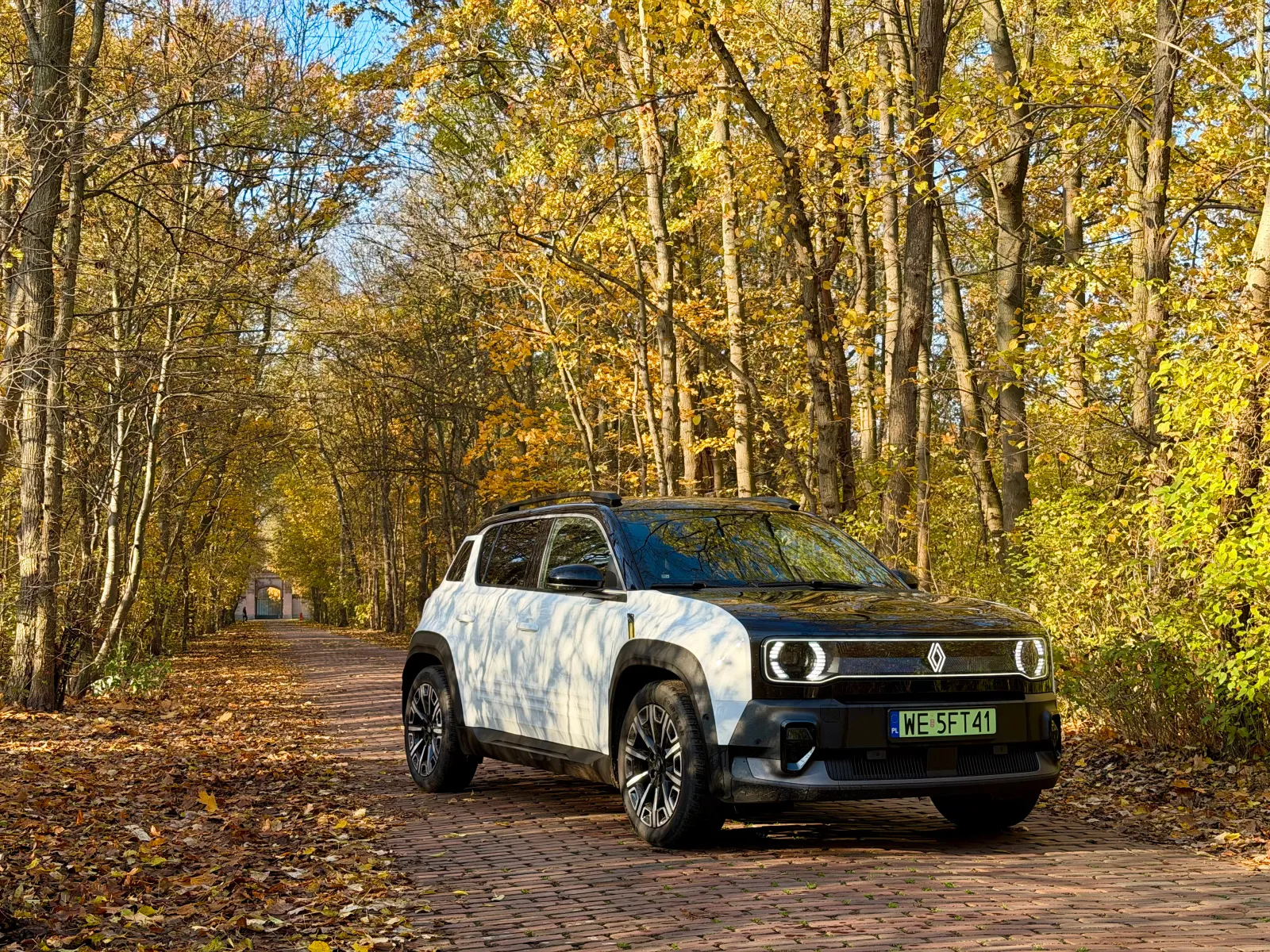
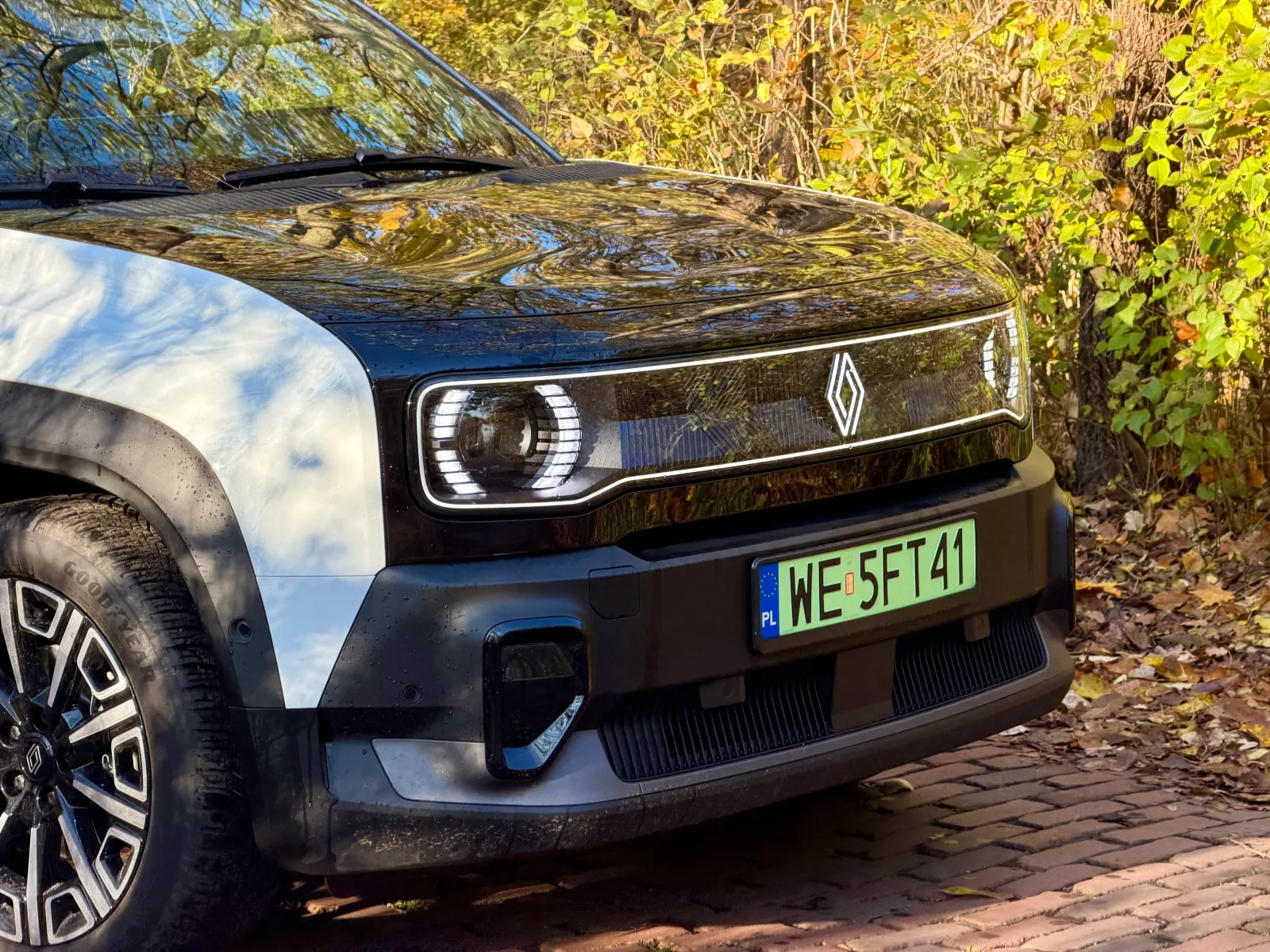
The new Renault 4 successfully builds on its predecessor. The headlights combined into a single front panel, the vertical three-part rear lights, and the distinctive side window near the C-pillar allow for quick recognition of its familial resemblance. Similar design cues can also be found in the embossing on the lower part of the bodywork.
The overall design looks fresh and has its own distinct character. Renault didn’t overdo the decorations, and the simple, slightly boxy silhouette fits well with the history of this model. Among many similar crossovers, the Renault 4 stands out clearly.
Iconic, or a bit more color
The model we tested in the iconic version impresses with its interior as well. The seats are the most eye-catching—gray stitching combined with dark finishes and yellow accents looks great and adds character to the cabin. Yellow details can also be found on the dashboard, next to the illuminated “Renault 4” logo.
It’s worth looking up as well. The uniquely shaped headliner with a raised pattern is one of those details that are easily overlooked in photos but make a strong impression up close. Together with the upholstery, it creates an interior that is simply pleasant to be in.
The Iconic also comes with several practical extras: heated front seats and steering wheel, parking sensors at the front, back, and sides, as well as an automatic parking function. Externally, this version is distinguished by 18-inch Parisienne wheels.
Two versions to choose from
Parameter
Urban range
Comfort range
Net battery capacity
40 kWh
52 kWh
Engine power
120 HP
150 HP
WLTP range
up to 308 km
up to 409 km
Maximum DC charging power
80 kW
100 kW
Maximum AC charging power
11 kW
11 kW
Available trim levels
evolution
techno, iconic, iconic plein sud
Brutto list price starting at
130,500 PLN (evolution)
152,500 PLN (techno)
The unit tested by us had a larger 52 kWh battery, but even that left some room for improvement. On short urban routes, energy consumption was high, and it only started to normalize after longer drives. In autumn conditions, we had to think about charging more frequently than we would have liked.
Paradoxically, the “four” performed better outside the city. On a roughly 80-kilometer route, mainly along the S8 road, at speeds of 100-110 km/h and temperatures around 10°C, it consumed an average of 16.5 kWh per 100 km. On the return trip, with speeds of 120-130 km/h and temperatures around 7°C, the figure rose to 23 kWh per 100 km. The nominal 409 km WLTP range is one thing, but driving on roads in autumn is another. With our consumption levels, a fully charged battery would theoretically suffice for about 315 km at a slower pace or 226 km at a faster pace. If using it when it’s 80-10% charged, we’d have roughly 220 or 158 km respectively.
Faster charging would also be useful. A maximum of 100 kW is quite modest these days, and during our stop, the car didn’t exceed 63 kW. Many factors play a role here, but it would be good to charge a bit more efficiently after a faster section of the route.
Google makes life easier, but the rear camera is disappointing
Renault’s strength lies in its openR link multimedia system with built-in Google services. Maps that work directly in the car, access to apps, and route planning that takes charging into account are features that are truly enjoyable to use.
The interface itself is clear, looks interesting, and generally functions smoothly. However, there were occasional delays when switching between views. They didn’t significantly hinder operation, but they were noticeable and somewhat ruined the overall impression. Greater concerns arise with the rear camera. The image quality is poor and falls short of what one would expect from a modern car at this price point. This is especially true since other elements of the digital cockpit perform much better.
What can be bought at a similar price?
The Renault 4 faces a tough task, as the market for small electric cars has become quite crowded. There are cheaper cars for city use, larger models for families, and at the price of a well-equipped Renault 4, one can also start looking for a car with a larger battery.
Model and Version
Battery Capacity
WLTP Combined Range
Starting List Price (Gross)
Fiat Grande Panda E Pop
44 kWh
320 km
107,000 PLN
Hyundai Ioniq Pure
42 kWh
327 km
110,500 PLN
Citroën ë-C3 Aircross YOU Comfort Range
44 kWh / 43.7 kWh net
308 km
122,800 PLN
Hyundai Ioniq Modern Long Range
49 kWh
370 km
127,500 PLN
Renault 4 evolution Urban range
40 kWh net
308 km
130,500 PLN
Citroën ë-C3 Aircross YOU Extended Range
54.2 kWh / 52.8 kWh net
400 km
131,300 zł
Renault 4 techno Comfort range
52 kWh net
409 km
152,500 zł
Renault 4 iconic Comfort range
52 kWh net
409 km*
161,500 zł
Kia EV3 Air Standard Range
58.3 kWh
436 km
166,900 zł
Jeep Avenger Electric Longitude
54 kWh gross
400 km
169,900 zł
Kia EV3 Air Long Range
81.4 kWh
605 km
184,900 zł
Renault stands out with its attractive design, interesting interior, and reliable multimedia system. It’s a car whose character is easy to like. The weaker rear camera and occasional screen glitches need improvement, but the main concern is range. With steady driving, the Renault 4 can be fuel-efficient. On short autumn routes and during faster driving, its limitations become much more noticeable.
Is the Renault 4 worth considering with a favorable view toward its appearance and a specific usage plan? Its design impresses from the first encounter. Whether the battery is sufficient is best tested on one’s own routes.
Piotr Ziółkowski