
Eco-score reform: Bad news ahead for electric car purchase subsidies?
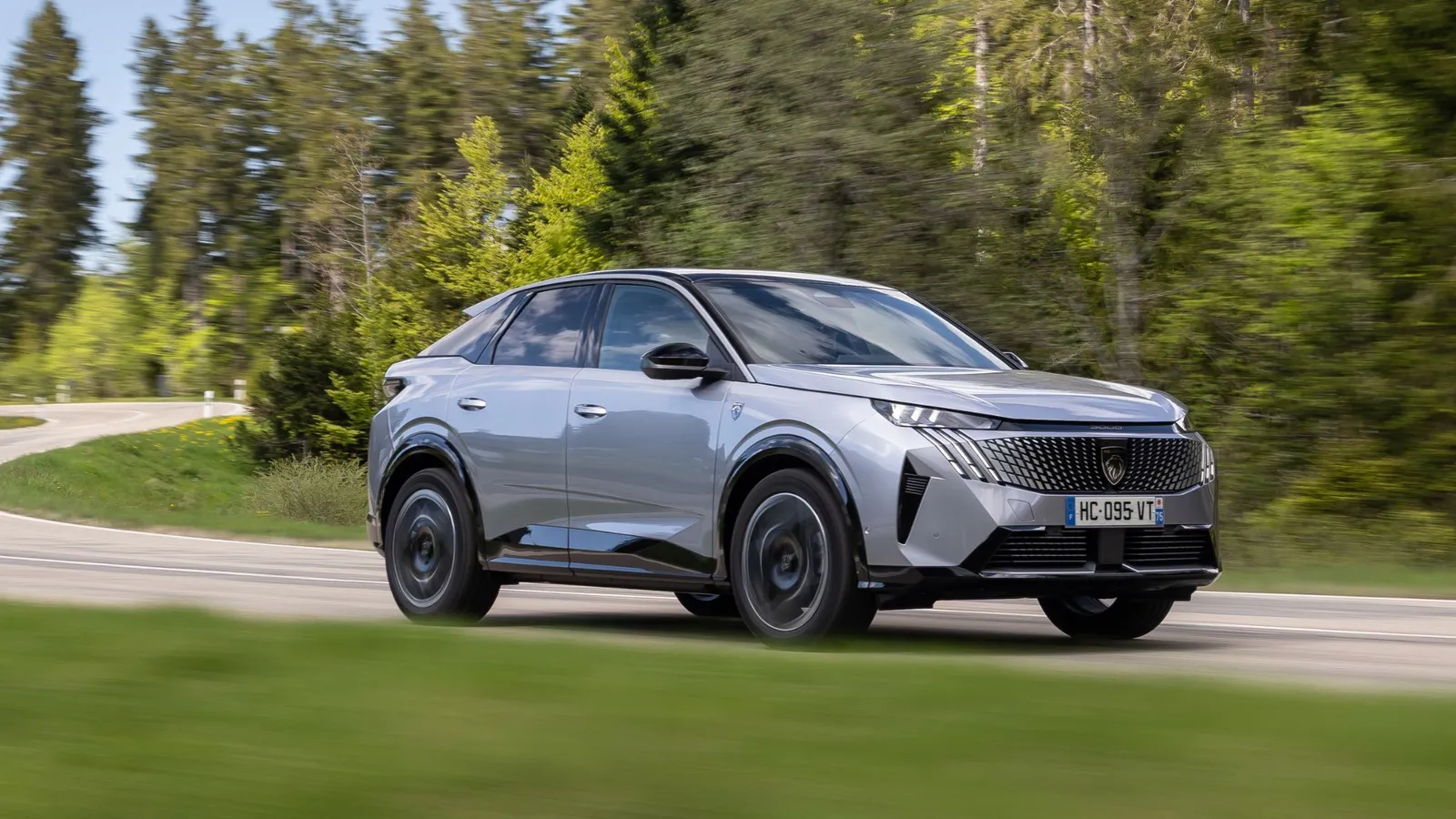
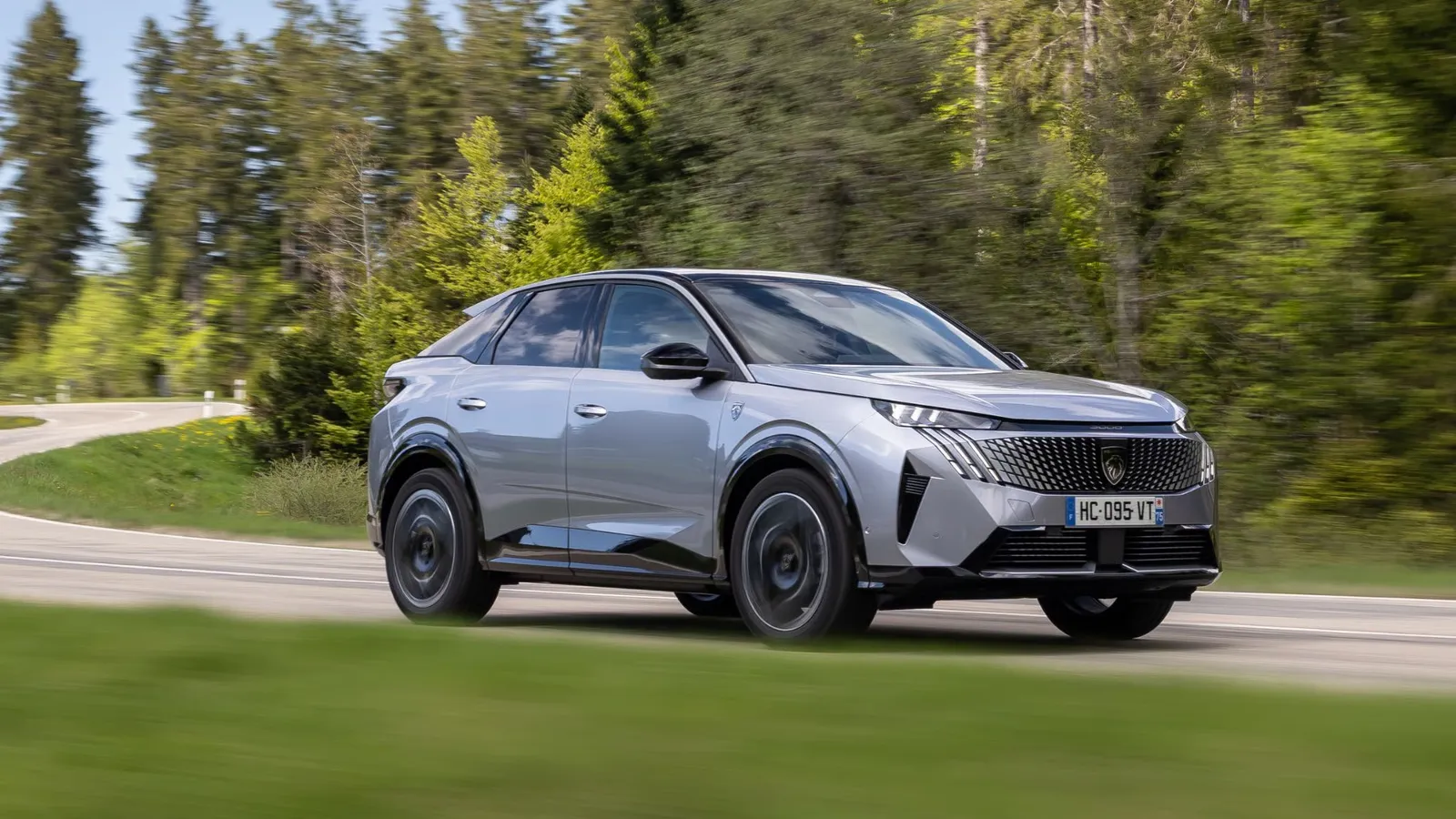
The Ministry of Ecological Transition has launched a consultation to revise the criteria for the environmental score of electric vehicles, which could disadvantage certain models by denying them enhanced purchase incentives.
At the end of 2023, the environmental bonus was linked to an “environmental score.” This score is determined by the carbon footprint of electric vehicles. Manufacturers submit detailed documentation to calculate the CO2 impact of vehicle production and transportation to France. This total carbon equivalent then determines the eco-score.
If the environmental bonus has since been replaced by the “electric vehicle incentive,” which is funded not by the state but by energy suppliers, the environmental score remains relevant for obtaining the most generous subsidies or tax benefits for professional vehicles.
As Bertrand Moreau noted, the Ministry of Ecological Transition has recently launched a consultation on a draft regulation to update the environmental score. The goal is to add a third category of vehicles.
Currently, the criteria for the score differ for two categories of vehicles: on one hand, those with five or more seats, a trunk capacity of two hundred liters or more, and an electric range of one hundred seventy kilometers or more; on the other hand, the rest of the vehicles produced (meaning virtually no vehicles...). The difference in scoring will relate to the allowable carbon equivalent range.
However, the government has determined that “the current segmentation into two categories does not adequately address the variety of use cases — ranging from small urban personal vehicles to large family or utility vehicles” and that the vast majority of vehicles in the market end up in just one category.
Greenwashing
The regulation aims to add a category of electric vehicles that are larger and more family-oriented: “vehicles with seven or more seating positions, or a trunk volume of four hundred ten liters or more, or an electric range of five hundred fifty kilometers or more.”
But there’s a disappointing twist. This third category of larger vehicles will have to meet the current carbon equivalent requirements set for 5-seater vehicles, with a maximum of 21,000 kg of carbon equivalent. Thus, the future intermediate category will have a slightly stricter threshold of 19,300 kg maximum.
This could therefore disadvantage models that are currently struggling but would no longer be affected. However, it is difficult, if not impossible, to determine which models these are, given how opaque this “gas factory” technique that France has mastered is. The government only provides a list of models that have met the minimum eco-score requirement, without revealing the exact score or, even less so, the resulting carbon equivalent.
The draft regulation also says nothing about what will happen to the current list, or whether manufacturers will need to have a large number of models re-evaluated within a set deadline. But the consultation period is short (open until October 7), and the regulation could be approved quickly...
Also read
Hyundai Ioniq 3 passes eco-score test: up to €6,000 in purchase assistance